BronzeSculptureRealism
 185019th Century
 1.0 x 19.0 cm
 Staatliche Kunsthalle Karlsruhe
Giclée- oder Leinwanddruck in Museumsqualität mit schneller Produktion und flexiblen Veredelungsoptionen. ( Handgemalte Reproduktion bestellen Bild kaufen)
Wählen Sie aus unseren vordefinierten Formaten, die den ursprünglichen Proportionen des Kunstwerks entsprechen.

Sie können Ihre eigenen Maße eingeben, um ein bestimmtes Format oder einen speziellen Platz einzupassen. Wenn das von Ihnen gewählte Format nicht den Proportionen des Originalbildes entspricht, werden wir das Kunstwerk entweder beschneiden oder das Bild mit einem gespiegelten oder einfarbigen Rand erweitern. Ein digitaler Entwurf wird Ihnen zur Genehmigung zugesandt, bevor die Produktion beginnt.
Bitte beachten Sie, dass die Vorschau auf dem Bildschirm nicht den tatsächlichen Zuschnitt oder die Erweiterung widerspiegelt. Nur der Entwurf zeigt die endgültige Komposition präzise an.
Obwohl Sondermaße verfügbar sind, empfehlen wir die Auswahl eines Maßes aus der vordefinierten Liste, um die ursprünglichen Proportionen zu bewahren.
Weltweiter Versand () innerhalb von 2 Wochen statt der üblichen 4/5 Wochen. (7 September)


Ratapoil
Format der Reproduktion
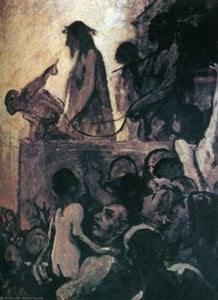
The photograph captures a pivotal moment – a frozen dance of energy and emotion rendered in the enduring medium of bronze. This exquisite reproduction offers an intimate encounter with "Ratapoil," a sculpture by the visionary artist Honoré Daumier, born in Marseille in 1808 and tragically lost in 1879. More than just a depiction of a figure, it’s a window into the social anxieties and artistic fervor that defined mid-19th century France, a period meticulously documented through Daumier's keen eye for detail and his unflinching portrayal of human experience.
Honoré Daumier was a revolutionary figure in the world of art, challenging conventional notions of beauty and truth. His work wasn't confined to idealized forms; instead, he sought to capture the raw essence of everyday life, often focusing on the marginalized and oppressed. “Ratapoil,” as evidenced by its connection to Daumier’s painting of the same name, embodies this commitment. The sculpture depicts a woman in a dynamic pose, likely engaged in dance or performance – an act that speaks volumes about freedom, expression, and perhaps even defiance within the constraints of societal expectations. Daumier's training under Alexandre Lenoir instilled in him a deep understanding of classical techniques, particularly the dramatic use of light and shadow—a hallmark of Rubens’ work—which he masterfully employs here to heighten the emotional impact of the piece.
The outstretched arms and flowing drapery of “Ratapoil” are not merely decorative elements; they are imbued with symbolic meaning. They suggest a yearning for freedom, an embrace of movement, or perhaps even a theatrical performance—a deliberate act of self-expression in a world often governed by rigid rules. The sculpture’s stark white background further amplifies these emotions, creating a powerful contrast that draws the viewer's eye directly to the figure's dynamic pose and expressive gestures. The work resonates with a timeless quality, evoking both classical beauty and Daumier’s characteristic realism – a potent combination that continues to captivate audiences today.


1808 - 1879 , Frankreich

Discover the enduring allure of bronze sculptures at WahooArt.com. From classical lost-wax casting to modern metal masterpieces, explore museum-quality artworks designed to elevate luxury interiors. Expert curation, authenticity guaranteed, and worldwide shipping for discerning collectors.

Discover the enduring elegance of bronze sculpture. From ancient Roman strength to Art Deco sophistication, explore our expert guide on collecting, casting techniques, and integrating timeless metal masterpieces into your fine art collection.

Discover the enduring allure of bronze sculpture. From the intricate lost-wax process to Neoclassical masterpieces, our expert guide offers connoisseurs deep insights into evaluating patina, historical significance, and integrating metal fine art into sophisticated collections.

 Versenden
 Teilen
 Details anzeigen

 Herunterladen
 Ähnliche Objekte
 Diashow
 Weiterlesen




































 Die Glasoption ist nur für Größen unter 110 cm verfügbar.