Frühes Leben, Familie und Ausbildung
In der kleinen Stadt Baumgarten, unweit von Wien, wurde Gustav Klimt in eine Welt hineingeboren, in der das Schimmern von Metall eine ständige Begleiterin war. Sein Vater, Ernst Klimt, widmete seine Tage dem Handwerk des Goldengravierers – ein Beruf, der eine ruhige Hand und ein unerbittliches Auge für die feinsten Details erforderte. Diese frühe Vertrautheit mit Edelmetallen und der Präzision des Gravierens sollte schließlich bis in die tiefste Seele seiner späteren Kompositionen vordringen. Doch das Leben war nicht immer nur von Glanz und Leichtigkeit geprägt. Die Familie sah sich häufigen finanziellen Entbehrungen gegenüber, die sie dazu zwangen, immer wieder durch die Gassen Wiens zu ziehen. Diese ständigen Übergänge und der Kampf um Stabilität formten einen jungen Mann, der sowohl die Schwere der Armut als auch die unwiderstehliche Anziehungskraft des Ornaments verstand.
Im Alter von nur vierzehn Jahren war sein Talent bereits so offensichtlich, dass man es nicht länger ignorieren konnte. Im Jahr 1876 trat er in die Wiener Kunstgewerbeschule ein, mit dem Ziel, sein angeborenes Geschick in eine formale Disziplin zu überführen. Seinen künstlerischen Weg begann er jedoch nicht mit der Darstellung der menschlichen Form in all ihrer Komplexität, sondern vielmehr mit der Meisterschaft über die strukturierte Welt der Architekturmalerei. Unter der Anleitung von Ferdinand Laufberger lernte er, die prachtvollen Räume von Gebäuden zu verzieren, wobei er sich stets an den dekorativen Bedürfnissen seiner Epoche orientierte. Diese strenge Ausbildung legte das technische Fundament, auf dem er später seine weitaus persönlicheren und experimentelleren Visionen errichten sollte.
Der Aufstieg der Wiener Secession
Gegen Ende der 1890er Jahre begann unter der Oberfläche von Gustav Klimts formeller Ausbildung eine unruhige Energie zu brodeln. Der schwere, historisierende Akademismus, der lange Zeit das Wiener Kunstestablishment beherrscht hatte, empfand er zunehmend als einengend. Er suchte nach einem Raum, in dem Innovation jenseits der starren Fesseln der Tradition existieren konnte – ein Ort, an dem der Künstler endlich aufatmen konnte. Dieses Verlangen nach schöpferischer Freiheit führte ihn dazu, ein Gründungsmitglied der Wiener Secession zu werden, einer Bewegung, die aus der Notwendigkeit heraus entstand, neue Strömungen wie den Jugendstil, den Symbolismus und den Japonismus zu umarmen. Im Jahr 1897 wurde er zum ersten Präsidenten dieser rebellischen Gruppe gewählt und half dabei, die künstlerische Seele der Stadt in eine völlig neue Richtung zu lenken.
Diese Rebellion war nicht bloß eine Frage des Stils, sondern eine fundamentale Ablehnung der alten Sehweisen. Gustav Klimt wandte sich von den vorhersehbaren, großartigen Erzählungen der Vergangenheit ab und bevorzugte stattdessen organische Linien und eine tiefe symbolische Ausdruckskraft. Er suchte danach, die Grenzen zwischen der freien Malerei und dem ornamentalen Design aufzulösen, wobei er sich stark an den flächigen Perspektiven und der musterreichen Ästhetik der japanischen Kunst orientierte. Dieser Wandel ermöglichte es ihm, die Komplexität menschlicher Intimität und der Sterblichkeit mit einer Offenheit zu erkunden, die das konservative Publikum oft erschütterte. Sein Werk begann sich hin zu einer persönlicheren, dekorativen Sprache zu entwickeln, die das psychologische Gewicht des Motivs über die bloße physische Ähnlichkeit stellte.
Mäzene, Werkstatt und Aufträge
Mit dem wachsenden Ruhm Klimts entfaltete sich eine Ära des gemeinschaftlichen Schaffens, in der er eine enge Partnerschaft mit seinem Bruder Ernst und Franz von Matsch einging. Dieses Trio von Künstlern verfolgte ein gemeinsames Ziel und sicherte sich bedeutende Aufträge zur Dekoration der prachtvollen Räumlichkeiten Wiens. In den frühen Jahren ihrer beruflichen Laufbahn widmeten sie sich vor allem großformatigen, dekorativen Wandmalereien und Decken – Aufgaben, die eine disziplinierte Hand und ein feines Gespür für die Kunst der Ornamentik erforderten. Durch ihre Arbeit in diesen öffentlichen Räumen gerieten sie in den direkten Einflussbereich des kaiserlichen Hofes. Für seine herausragenden Beiträge zu den Wandgemälden des Burgtheaters wurde ihm Kaiser Franz Joseph I. das Goldene Verdienstkreuz verliehen, eine hohe Ehre, die seine Aufnahme in die obersten Kreise der österreichischen Gesellschaft markierte.
Doch die öffentliche Natur dieser monumentalen Projekte barg auch Reibungspunkte. Die Spannung zwischen seiner sich stetig weiterentwickelnden, provokativeren Vision und den Erwartungen des Staates wurde zu einer schweren Last. Infolge der Kontroversen um seine Deckenmalereien für die Universität Wien vollzog Klimt eine entscheidende Wende in seinem Berufsleben. Er entschied sich, sich von weiteren öffentlichen Aufträgen zurückzuziehen und wandte sich von den starren Vorgaben der staatlich geförderten Kunst ab. Stattdessen suchte er die Unterstützung privater Mäzene. Dieser Wandel ermöglichte es ihm, die Fesseln der akademischen Tradition abzustreifen und sich einem persönlicheren, intimeren Stil zuzuwenden, der seine berühmtesten Jahre prägen sollte.
- Die Wandgemälde des Burgtheaters
- Die Deckenmalereien der Universität Wien
Die goldene Ära und die Technik
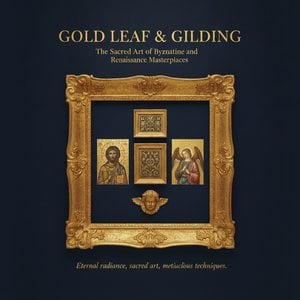
Um das Jahr 1900 vollzog sich eine tiefgreifende Wandlung in seinem Pinselstrich, die eine Epoche einläutete, die sein Vermächtnis für immer definieren sollte. Er löste sich von den schweren, akademischen Schatten seiner Jugend und wandte sich einer leuchtenden, dekorativen Sprache zu. Es war eine Zeit, in der seine Leinwände begannen, ihr eigenes Licht auszustrahlen, als besäße die Farbe selbst einen himmlischen Glanz. Dies erreichte er durch den akribischen Auftrag von Blattgold – eine Technik, die seinen Figuren eine schimmernde, jenseitige Präsenz verlieh. Diese Besessenheit von Licht und Oberfläche entstand jedoch nicht im luftleeren Raum; er schöpfte tiefe Inspiration aus den antiken Mosaiken von Ravenna und den kunstvollen, sakralen Mustern mittelalterlicher Handschriften. Durch diese kostbaren, reflektierenden Materialien suchte er danach, ein Gefühl des Ewigen einzufangen.
Seine Vision wurde zudem durch die stille Eleganz der japanischen Kunst geprägt. Er übernahm die flächigen Perspektiven und die rhythmische, musterhafte Ästhetik der Ukiyo-e-Holzschnitte und webte diese Elemente kunstvoll in seine Kompositionen ein. Diese Verschmelzung erlaubte es ihm, die Grenzen zwischen der physischen Welt und einer eher symbolischen, ornamentalen Sphäre zu verwischen. Die Figuren in seinen Gemälden schienen oft aus einem Meer von geometrischen Formen und organischen Wirbeln hervorzutreten, gefangen in einem Tanz aus Textur und Farbe. Er stellte ein Motiv nicht bloß dar; er hüllte es in eine komplexe, mosaikartige Umgebung ein, die die Wahrnehmung von Tiefe und Raum beim Betrachter herausforderte.
Hauptwerke und ikonische Meisterwerke
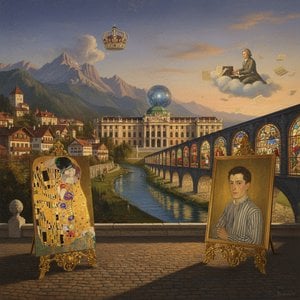
Der Pinsel des Künstlers fand seinen tiefgründigsten Ausdruck, als er dem Gold erlaubte, zu einem lebendigen Teil seiner Motive zu werden. In den Jahren zwischen 1907 und 1908 schuf er Der Kuss, ein Werk, in dem ein Paar von einer schimmernden, gemusterten Aura umhüllt wird. Die Figuren scheinen aus einer blühenden Wiese hervorzutreten, ihre Formen sind in einer intimen Umarmung miteinander verflochten, die die einfachen Grenzen der Leinwand sprengt. Diese Periode intensiver Ornamentik war nicht bloß eine dekorative Entscheidung, sondern ein Weg, das psychologische Gewicht menschlicher Verbundenheit einzufangen. Einen ähnlichen, wenn auch melancholischeren Effekt erzielte er in Die drei Lebensalter, gemalt im Jahr 1905. Hier nutzte er kontrastierende Auren – eine aus blauen, fließenden Mustern für die jüngeren Figuren und eine andere aus warmen, erdigen Tönen für die ältere Frau –, um den unvermeidlichen Kreislauf des Lebens und die physische Realität des Alterns nachzuzeichnen.
Seine Fähigkeit, die menschliche Form mit komplexen, mosaikartigen Texturen zu verschmelzen, erreichte in seiner Porträtmalerei ihren Höhepunkt. Das Portrait der Adele Bloch-Bauer I bleibt ein zentraler Bestandteil seines Vermächtnisses und fängt durch komplizierte, schimmernde Oberflächen eine besondere Präsenz ein. Er orientierte sich oft an den flächigen Perspektiven der japanischen Kunst, um diese Kompositionen zu bereichern, wobei er Tiefe eher durch Muster als durch traditionelle Schattierung erzeugte. Diese Faszination für organische, wirbelnde Linien zeigt sich vielleicht am deutlichsten in Der Lebensbaum, den er 1909 vollendete. Das Werk nutzt Spiralen und Gold, um ein Gefühl von kontinuierlichem Wachstum und Bewegung zu suggerieren – ein Thema, das sein Interesse an den Mysterien der Seele widerspiegelt.
- Die drei Lebensalter, 1905
- Der Kuss, 1907-1908
- Der Lebensbaum, 1909
Späte Jahre und letzte Übergänge
Mit dem Vergehen der Jahre begann die schwere, schimmernde Ornamentik, die einst seine gesamte künstlerische Präsenz definiert hatte, allmählich zurückzutreten. Eine neue, zurückhaltendere Ästhetik trat an ihre Stelle und tauschte das dichte Blattgold seiner früheren Triumphe gegen einen Stil ein, der von Angularität und expressiver Vereinfachung geprägt war. Dieser Wandel deutete auf einen Mann hin, der einer direkteren, vielleicht auch raueren Art suchte, die Welt zu betrachten. Seine Pinselstriche wurden flüchtiger und freier; er löste sich von der akribischen Präzision seiner Jugend und bewegte sich hin zu einem fließenderen, fast schon dringlichen Farbauftrag.
Diese Phase der stilistischen Evolution fiel mit einer Zeit tiefgreifender persönlicher und globaler Entbehrungen zusammen. Die Welt war von der Spanischen Grippe heimgesucht worden – ein Schatten, der auch sein eigenes Leben schwer traf. Selbst während er mit der körperlichen Erschöpfung dieser Ära zu kämpfen hatte, suchte sein schöpferischer Geist unaufhörlich nach neuen Formen. Im Jahr 1918 vollendete er Die Jurisprudenz, ein Werk, das eine komplexe, fast schon angstvolle Auseinandersetzung mit dem Thema Urteil und Schicksal widerspiegelte. Es war ein Gemälde, das sich vom rein Dekorativen hin zu etwas Düsterem und psychologisch Tiefgründigerem entwickelte.
Das Ende kam in den frühen Monaten des Jahres 1918 jäh. Nach einem Schlaganfall und dem Beginn einer Lungenentzündung verstarb er am 6. Februar 1918. Er hinterließ ein Atelier voller Werke im Wandel – darunter Porträts, die eine stille Introspektion und eine Faszination für die zarten Details weiblicher Mystik einfingen. Seine letzten Jahre waren eine Zeit ständiger Bewegung, eine rastlose Suche nach einer neuen visuellen Sprache, die selbst der Tod nicht gänzlich zum Schweigen bringen konnte.
- Die Jurisprudenz, 1918
- Dame mit dem Fächer, 1917
Vermächtnis und Einfluss
Die Wellen seines kreativen Aufbegehrens reichten weit über die Grenzen Österreichs hinaus und halfen dabei, den Jugendstil in ganz Europa zu definieren. Indem er sich vom schweren, historisierenden Akademismus der Vergangenheit abwandte, öffnete er die Tür für eine neue visuelle Sprache, die organische Linien und symbolische Tiefe umarmte. Dieser Wandel veränderte die Richtung der österreichischen Moderne grundlegend, indem er den Fokus von starrer Tradition hin zu einer persönlicheren und psychologischeren Erforschung der menschlichen Erfahrung verschob. Sein Einfluss war besonders bei jenen spürbar, die in seine Fußstapfen traten, wie etwa sein jüngerer Zeitgenosse Egon Schiele, der aus den expressiven Möglichkeiten schöpfte, die Gustav Klimt bereits geebnet hatte.
Selbst lange nach seinem Tod blieb der Wert seiner Vision immens. Seine Gemälde erzielten einige der höchsten bei Auktionen verzeichneten Preise, was die anhaltende Faszination für seine einzigartige Fähigkeit widerspiegelt, dekorative Muster mit tiefem Gefühl zu vereinen. Die Art und Weise, wie er Gold und Textur einsetzte, um die unsichtbaren Landschaften der Seele zu kartografieren, stellte sicher, dass sein Name ein zentraler Bestandteil der Geschichte der modernen Kunst bleiben würde. Seine Präsenz ist noch heute in der Art und Weise spürbar, wie Künstler das Spannungsfeld zwischen dem Physischen und dem Spirituellen angehen.
Wo man seine Werke heute erleben kann
Um die physische Präsenz seiner Vision hautnah zu erleben, muss man ins Herz Wiens reisen, wo die Österreichische Galerie Belvedere einen Großteil seines leuchtenden Schaffens bewahrt. Innerhalb dieser Mauern scheint das Blattgold eine Wärme zu bewahren, die dem Vergehen der Zeit trotzt. In der Nähe beherbergt auch das Leopold Museum bedeutende Werke, die eine andere Perspektive auf seine künstlerische Entwicklung eröffnen. Diese Sammlungen ermöglichen es dem Betrachter, den Wandel von seiner frühen akademischen Ausbildung hin zu jener dekorativen Intensität nachzuvollziehen, die seine berühmtesten Jahre definierte.
Die Reichweite seines Einflusses erstreckt sich weit über die Grenzen Österreichs hinaus. In Rom beherbergt die Galleria Nazionale d'Arte Moderna Werke, die von seiner tiefgründigen psychologischen Ausdruckskraft zeugen. Unterdessen bietet die Nationalgalerie in Prag einen Raum, um seiner späteren, zurückhaltenderen Ästhetik zu begegnen. Diese verschiedenen Orte stellen sicher, dass seine Erforschung der menschlichen Form und der Komplexität des Lebens für all jene, die danach suchen, zugänglich bleibt.
- Der Kuss
- Portrait der Adele Bloch-Bauer I
- Die drei Lebensalter der Frau
- Die Jungfrau
- Dame mit Fächer


 Vorschau anzeigen
 Versenden
 Teilen
 Details anzeigen
 Leitfaden

 Herunterladen
 Ähnliche Objekte
 Röntgenaufnahme
 Diashow
 Fragen & Antworten
 Statistiken


 Weiterlesen
 Zum Druck wechseln





































 Die Glasoption ist nur für Größen unter 110 cm verfügbar.