


 Baroque
 1723Early Modern
 94.0 x 789.0 cm
Handgemaltes Ölgemälde auf Leinwand in Ihrer Wunschgröße und mit Rahmen, auf Bestellung von unseren Künstlern angefertigt. ( Druck bestellen Bild kaufen)





























Wählen Sie aus unseren vordefinierten Formaten, die den ursprünglichen Proportionen des Kunstwerks entsprechen.

Sie können Ihre eigenen Maße eingeben, um einen bestimmten Rahmen oder Platz auszufüllen. Wenn die gewählte Größe nicht den Proportionen des Originalbildes entspricht, werden wir das Kunstwerk entweder beschneiden oder das Gemälde durch zusätzliche, handgemalte Elemente erweitern. Ein digitales Mockup wird Ihnen zur Genehmigung zugesandt, bevor die Produktion beginnt.
Bitte beachten Sie, dass die Bildschirmvorschau nicht die tatsächliche Beschneidung oder Erweiterung widerspiegelt. Nur das Mockup zeigt die endgültige Komposition exakt an.
Obwohl Sondermaße verfügbar sind, empfehlen wir, eine Größe aus der vordefinierten Liste zu wählen, um die ursprünglichen Proportionen beizubehalten.
Weltweiter Versand () in nur 3 bis 4 Wochen statt der üblichen 5 Wochen. (7 September). Keine Kompromisse bei der Qualität.


Untitled (D2WVJ2)
Format der Reproduktion
In the quietude of a sun-drenched meadow, three horses stand as silent sentinels of a bygone era, captured with a breathtaking precision that transcends time. This exquisite work by Giuseppe Castiglione, titled Untitled (D2WVJ2), offers more than just a depiction of animals; it provides a window into a unique moment in art history where the Renaissance traditions of Europe met the imperial grandeur of the Qing Dynasty. The composition is masterfully balanced, guiding the viewer's eye across a lush, verdant landscape where each equine figure possesses its own distinct character and presence. One horse stands slightly larger, commanding the center of the frame, while its companions flank it with a gentle, naturalistic poise that suggests a moment of peaceful repose in their natural habitat.
The technique employed here is nothing short of miraculous, showcasing Castiglione’s legendary ability to blend Western chiaroscuro with the delicate, linear elegance of Chinese brushwork. Through subtle gradations of light and shadow, the artist breathes life into the muscular anatomy of the horses, giving them a palpable sense of weight and three-dimensional form. The texture of their coats, the soft undulations of the grassy foreground, and the receding depth of the distant hillside all contribute to a profound sense of realism. This mastery of light—often referred to as his "Jesuit style"—creates an atmospheric luminosity that makes the scene feel as though it is bathed in the soft, golden glow of a late afternoon, inviting the observer to step directly into the pastoral serenity.
Beyond its technical brilliance, the painting carries a deep emotional resonance and historical significance. As a court painter to the emperors Kangxi, Yongzheng, and Qianlong, Castiglione was tasked with documenting the majesty of the empire. The horse, a symbol of strength, nobility, and imperial power, serves as the perfect subject for this cross-cultural dialogue. For the discerning collector or interior designer, this piece offers an unparalleled opportunity to introduce a sense of classical sophistication and tranquil grandeur into a space. Whether placed in a formal gallery setting or as a focal point in a contemporary living room, the artwork radiates a timeless elegance that inspires contemplation and evokes the enduring beauty of the natural world.
Integrating such a magnificent reproduction into an interior design scheme allows for a narrative-driven decor. The expansive scale of 94 x 789 cm makes it a commanding presence, capable of anchoring a room with its rich textures and historical depth. It is a piece that does not merely decorate a wall; it transforms an environment, offering a sophisticated touch of heritage and a serene escape into the harmonious landscapes of the eighteenth century.

Giuseppe Castiglione war ein italienischer Jesuitengebrüder und Missionar, der während der Qing-Dynastie einen bedeutenden Einfluss auf die chinesische Kunst hatte. Geboren in Mailand trat er der Gesellschaft Jesu bei und diente schließlich als Künstler am kaiserlichen Hof für drei aufeinanderfolgende Kaiser: Kangxi, Yongzheng und Qianlong. Seine einzigartige Fähigkeit, europäische künstlerische Techniken mit traditionellen chinesischen Stilen zu verbinden, machte ihn zu einer hochgeschätzten Figur innerhalb des kaiserlichen Hauses.

1688 - 1766 , Italien
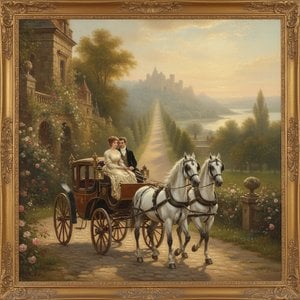
Embark on a visual journey through the romantic world of horse carriage art. Discover the mastery of equestrian oil paintings, from Impressionist textures to classical realism, and learn how to bring timeless elegance into your home with museum-quality reproductions.

Discover the profound emotional depth of Color Field Painting. Explore how masters use pure color and expansive scale to evoke the sublime, offering expert insights for discerning collectors seeking to integrate chromatic abstraction into sophisticated modern interiors.

Elevate your interior with WahooArt.com's bespoke multi-panel polyptychs. Discover our expert guide to creating stunning, hand-painted art sets with over 150 curated layouts, seamless brushwork, and professional digital staging for the discerning collector.
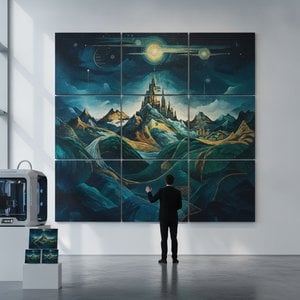
Discover the elegance of custom multi-panel group set art at WahooArt.com. From bespoke layouts to hand-painted oil masterpieces, our expert guide helps elite collectors curate breathtaking, large-scale installations tailored for sophisticated interiors.

Explore the profound depth of Color Field painting. Our expert guide delves into the mastery of Morris Louis and Jules Olitski, offering sophisticated insights for discerning collectors seeking to understand the psychological power and aesthetic elegance of chromatic abstraction.

 Vorschau anzeigen
 Versenden
 Teilen
 Details anzeigen

 Herunterladen
 Ähnliche Objekte
 Röntgenaufnahme
 Diashow
 Weiterlesen







 Die Glasoption ist nur für Größen unter 110 cm verfügbar.


