Vorschau anzeigenVorschau anzeigen In AR erlebenIn AR erleben Handgemalte Reproduktion bestellen Handgemalte Reproduktion bestellenZum digitalen Bild wechseln Zum digitalen Bild wechseln VersendenVersenden
Details anzeigenDetails anzeigen Zu Favoriten hinzufügen Zu Favoriten hinzufügen HerunterladenHerunterladen Ähnliche ObjekteÄhnliche Objekte RöntgenaufnahmeRöntgenaufnahme DiashowDiashow StatistikenStatistiken

Scenes nos. - (4-6)

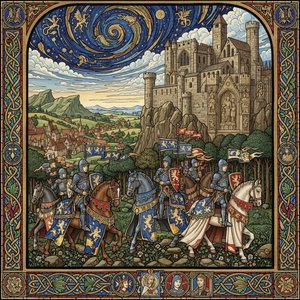
Experience the revolutionary realism of Giotto’s frescoes! This captivating depiction showcases figures engaged in everyday activities—building construction, conversation, and scholarly pursuits—marking a pivotal moment in art history.

Entdecken Sie Giotto di Bondone (1267-1337), den revolutionären italienischen Maler und Architekten! Erkunden Sie seine proto-renaissancefarben, Naturalismus, emotionale Tiefe und ikonische Werke wie die Scrovegni-Kapelle. Eine grundlegende Figur in der europäischen Kunstgeschichte.

Giclée / Kunstdruck

Giclée- oder Leinwanddruck in Museumsqualität mit schneller Produktion und flexiblen Veredelungsoptionen. (Handgemalte Reproduktion bestellen Handgemalte Reproduktion bestellenZum digitalen Bild wechseln Zum digitalen Bild wechseln)

Standardformat
individuell anpassbar
CM
INCH

Wählen Sie aus unseren vordefinierten Formaten, die den ursprünglichen Proportionen des Kunstwerks entsprechen.

Breite
Höhe

Sie können Ihre eigenen Maße eingeben, um ein bestimmtes Format oder einen speziellen Platz einzupassen. Wenn das von Ihnen gewählte Format nicht den Proportionen des Originalbildes entspricht, werden wir das Kunstwerk entweder beschneiden oder das Bild mit einem gespiegelten oder einfarbigen Rand erweitern. Ein digitaler Entwurf wird Ihnen zur Genehmigung zugesandt, bevor die Produktion beginnt.
Bitte beachten Sie, dass die Vorschau auf dem Bildschirm nicht den tatsächlichen Zuschnitt oder die Erweiterung widerspiegelt. Nur der Entwurf zeigt die endgültige Komposition präzise an.
Obwohl Sondermaße verfügbar sind, empfehlen wir die Auswahl eines Maßes aus der vordefinierten Liste, um die ursprünglichen Proportionen zu bewahren.

Weltweiter Versand () innerhalb von 2 Wochen statt der üblichen 4/5 Wochen. (8 September)

why_choose_icon
Kostenloser weltweiter Expressversand
why_choose_icon
Hochwertige Leinenleinwand
why_choose_icon
Umfassender Versicherungsschutz beim Versand
why_choose_icon
Zollgebühren-Rückerstattungsgarantie
why_choose_icon
Garantie für exakte Farbtreue
why_choose_icon
100-Tage-Rückgaberecht (nur bei Mängeln)
why_choose_icon
100% Geld-zurück-Garantie
why_choose_icon
Mengenrabatt verfügbar

Gesamtpreis

$ 68

reproduction

Scenes nos. - (4-6)

Giclée / Kunstdruck

Format der Reproduktion

-

Gesamtpreis

$ 68

Eckdaten

  • Title: Scenes nos. - (4-6)
  • Influences: Byzantine art
  • Movement: Early Renaissance
  • Artistic style: Naturalism
  • Subject or theme: Human figures in various activities
  • Notable elements or techniques: Realistic depiction of figures and landscapes

Kunst-Quiz

Jede Frage hat nur eine richtige Antwort.

Frage 1:
What artistic movement is Giotto’s fresco ‘Scenes nos. - (4-6)’ considered to be a precursor of?
Frage 2:
The fresco depicts several figures engaged in various activities. What is one prominent visual element that distinguishes Giotto’s style from earlier Byzantine art?
Frage 3:
Giotto's fresco showcases scenes featuring people interacting in everyday life. What is the primary purpose of portraying these scenes?
Frage 4:
The fresco utilizes a technique known as fresco painting. Briefly describe how this method contributes to the artwork's durability.
Frage 5:
Considering Giotto’s influence on subsequent artists, what is one significant characteristic of his approach to portraying human figures?

A Window Into Medieval Emotion: Exploring Giotto’s “Scenes nos. - (4-6)”

Giotto di Bondone's frescoes adorning the Scrovegni Chapel in Padua represent more than just decorative artistry; they constitute a watershed moment in European art history, marking the decisive break from Byzantine formalism and ushering in an era of humanist observation and expressive realism. Painted between 1305 and 1310 during Giotto’s prolific artistic peak, “Scenes nos. - (4-6)” offer a profound glimpse into the spiritual concerns and daily life of thirteenth-century Florence – a world grappling with theological upheaval and striving for a deeper understanding of human experience.
  • Subject Matter & Narrative Depth: The frescoes depict biblical narratives—primarily episodes from Genesis—but Giotto eschews the stylized depictions favored by his predecessors. Instead, he presents figures engaged in tangible activities: constructing a building with scaffolding, conversing earnestly, holding objects like bowls and cups – actions imbued with palpable emotion. This deliberate focus on observable reality distinguishes Giotto’s work fundamentally from the ethereal grandeur of Byzantine iconography.
  • Style & Technique - The Birth of Naturalism: Giotto revolutionized painting technique by abandoning the illusionistic flatness characteristic of Byzantine art. He achieved depth and volume through careful modeling of figures, utilizing subtle gradations of color and shading—a groundbreaking innovation that anticipates Renaissance chiaroscuro. The frescoes demonstrate a masterful understanding of anatomy and perspective, conveying a sense of physicality absent in earlier artistic traditions.

Historical Context: Florence Amidst Reform

Giotto’s Padua Chapel was conceived as a testament to piety and devotion—a response to the burgeoning Gregorian Reforms that sought to purify the Church and reaffirm its moral authority. The chapel's walls are adorned with scenes from Genesis, illustrating God’s creation and humanity’s fall from grace. Giotto’s depiction of these narratives isn’t merely illustrative; it aims to evoke contemplation and inspire faith by portraying human characters with compassion and vulnerability—a humanist impulse that foreshadowed the intellectual currents of the Renaissance.

Symbolism & Emotional Resonance

Beyond its technical brilliance, “Scenes nos. - (4-6)” resonate deeply with symbolic meaning. The scaffolding represents labor and construction – a visual metaphor for God’s divine plan unfolding in time. The gestures of the figures convey emotion—concern, contemplation, and connection—reflecting the medieval preoccupation with spiritual aspiration. Giotto's masterful use of color contributes to this emotional impact, creating an atmosphere of solemn beauty that transcends mere representation.

A Legacy Enduring Inspiration

Giotto’s frescoes stand as a cornerstone of Western art heritage and continue to captivate audiences today. His pioneering approach to naturalism established a new standard for artistic expression—a legacy that profoundly influenced subsequent generations of painters, including Masaccio and Michelangelo. Reproductions of “Scenes nos. - (4-6)” offer an unparalleled opportunity to experience the transformative power of Giotto’s vision—to appreciate not only his technical prowess but also the enduring relevance of his exploration of human emotion and spiritual contemplation.


Über den Künstler

**Ein Leben der Innovation und künstlerischer Revolution**

Giotto di Bondone, der renommierte italienische Maler und Architekt, hinterließ einen unauslöschlichen Eindruck auf die Kunstwelt mit seinen wegweisenden Beiträgen zur proto-renaissance und gotischen Periode. Geboren 1267 in Florenz, Italien, bleibt das Leben Giottos bis heute weitgehend ein Rätsel, doch sein künstlerisches Erbe ist unbestreitbar.

**Künstlerische Beiträge und Innovationen**

Giottos bekannteste Arbeit, die Scrovegni-Kapelle (oder Arena-Kapelle) in Padua, die um 1305 fertiggestellt wurde, ist ein Beweis für seinen innovativen Geist. Diese Freskenzyklis, die das Leben der Jungfrau und das Leben Christi darstellt, zeigt nicht nur sein künstlerisches Genie, sondern demonstriert auch eine Erzähfkraft, die einen bedeutenden Abgang von der stilisierten byzantinischen Herangehensweise darstellte.
  • Revolutionierung der Malerei: Giottos Betonung auf Naturalismus, Aufmerksamkeit für menschliche Emotionen und Erforschung räumlicher und volumetrischer Figuren in der Malerei legten den Grundstein für die Entwicklungen in der westlichen Kunst, die im Anschluss kamen.
  • Architektonische Beiträge: Seine Beauftragung im Jahr 1334 durch die Florentiner Kommune zur Gestaltung des neuen Glockenturms (Campanile) der Florentinischen Kathedrale bekräftigt sein duales Talent als Künstler und Architekt.

**Bekannte Werke und ihre Bedeutung**

**Vermächtnis und Einfluss**

Giottos Einfluss auf die westliche Kunst ist tiefgreifend und legte den Grundstein für die Renaissance-Kunstbewegung. Seine Betonung auf Naturalismus, menschliche Emotionen und räumliches Bewusstsein in der Malerei hat Bestand, wodurch er seine Position als eine grundlegende Figur in der europäischen Kunstgeschichte gesichert hat. Erfahren Sie mehr über Giottos Werke und Vermächtnis auf WahooArt.com.
Giotto di Bondone

Giotto di Bondone

1267 - 1337 , Italien

Kurzinfos

  • Beeinflusste Künstler: ['Cimabue']
  • Bemerkenswerte Werke:
    • Scrovegni Kapelle
    • Ognissanti Madonna
  • Geburtsdatum: 1267
  • Geburtsort: Florenz, Italien
  • Künstlerische Bewegung: Proto-Renaissance, Gotik
  • Nationalität: Italienisch
  • Todatum: 1337
  • Vollständiger Name: Giotto di Bondone
  • Von Künstlern Beeinflusst: ['Byzantinische Kunst']
Entdecken Sie Kunstwerke, die nach Themen, Stilen und Merkmalen sortiert sind.