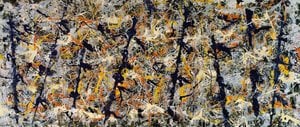
Erhalten Sie eine druckfertige Datei, die weit über die Web-Vorschau hinausgeht. Jedes von uns verkaufte digitale Bild basiert auf einem hochauflösenden Master aus unserer Datenbank – in der Regel 5.000 bis 15.000 Pixel breit –, sodass Sie mit Vertrauen großformatig drucken, eng ausschneiden oder feinste Details reproduzieren können.
Keine Datei verlässt unser Studio unberührt. Ein Digitalexperte gleicht die Farben mit dem Originalgemälde ab und korrigiert sie bei Bedarf, um anschließend Klarheit und Details mit professionellen Retuschewerkzeugen zu optimieren – dabei stets der Pinselführung und dem Stil des Künstlers treu bleibend. Das Ergebnis ist ein Bild, das wie das Gemälde selbst wirkt und nicht wie ein gefilterter Scan.
Sie entscheiden über das Endergebnis: Unser Experte sendet Ihnen das Bild innerhalb von 72 Stunden zur Ansicht per E-Mail zu. Nicht zufrieden? Fordern Sie Verbesserungen oder Korrekturen an oder verlangen Sie eine Rückerstattung, falls die Qualität nicht Ihren Erwartungen entspricht.
Dies ist die Qualität, auf die sich Verlage, Designstudios, Galerien und Druckereien verlassen.
Laden Sie eine hochauflösende Datei für die persönliche Präsentation, den Druck und kreative Projekte herunter. ( Zum Druck wechseln Handgemalte Reproduktion bestellen)
Wenn Sie sich für WahooArt.com entscheiden, erhalten Sie nicht nur ein Bild – Sie erhalten ein professionell aufbereitetes digitales Kunstwerk, das mit höchster Präzision erstellt und durch eine Zufriedenheitsgarantie abgesichert wird. Hier ist alles, was automatisch mit Ihrer Bestellung geliefert wird:
Ihre hochauflösende digitale Bilddatei wird Ihnen innerhalb von 72 Stunden nach der Bestellung per E-Mail zugestellt – bereit zur sofortigen Verwendung.
Ihre Kunstwerke werden professionell mithilfe fortschrittlicher KI-Tools und manueller Bearbeitung optimiert, um maximale Detailtreue, Klarheit und Farbgenauigkeit zu gewährleisten.
Datei versehentlich gelöscht oder verloren? Keine Sorge – wir senden sie Ihnen jederzeit kostenlos erneut zu.
Genießen Sie Ihr Kunstwerk sofort ohne Zollgebühren, Einfuhrabgaben oder Versandkosten – digitale Downloads sind immer steuerfrei.
Wir garantieren, dass Ihr digitales Bild mithilfe professioneller Werkzeuge und Farbmanagement die Originalfarben so präzise wie möglich wiedergibt.
Sollten Sie mit Ihrem digitalen Bild nicht zufrieden sein, werden wir es überarbeiten oder 100% innerhalb von 100 Tagen erstatten – ohne Wenn und Aber.
Nicht zufrieden? Erhalten Sie innerhalb von 100 Tagen nach Erhalt Ihrer digitalen Datei eine vollständige Rückerstattung – ohne Wenn und Aber.
3 Bilder kaufen, 10% sparen – 5 Bilder kaufen, 15% sparen – Ab 10 Bildern 20% sparen. Ideal für kreative Projekte, Galerien und Agenturen.
Giorgio Vasari's “The Annunciation,” painted circa 1567, isn’t merely a depiction of a biblical scene; it’s a carefully constructed tableau brimming with symbolic weight and technical mastery. This remarkable work, often considered a pivotal study for a larger ceiling painting, offers a rare glimpse into the artist’s process – a testament to his dedication to capturing not just likeness but also the profound emotional resonance of faith. The image, rendered in the delicate hues of carta azzurra (azure paper), immediately draws the eye with its ethereal quality and remarkable sense of spatial depth.
Vasari’s choice of blue pigment is crucial to understanding the painting's impact. The specific shade, a pale, almost luminous azure, was highly prized in Renaissance Italy for its ability to create an airy, atmospheric effect. It’s not simply a color; it’s a key element in conveying the divine presence and the sense of otherworldly grace that permeates the scene. The artist skillfully employs washes of ink and delicate highlights – a technique reminiscent of tempera painting – to build up layers of texture and luminosity, avoiding the heavy impasto favored by some of his contemporaries. This restrained approach allows for an astonishing level of detail, particularly in the rendering of Mary’s face and the angel Gabriel's flowing robes.
Beyond its exquisite color palette, “The Annunciation” is distinguished by its sophisticated architectural design. Vasari masterfully integrates architectural elements – a coffered ceiling, a portal in the background, and a tent-shaped baldachin – to reinforce the composition’s clarity and stability. These aren't merely decorative flourishes; they serve as visual anchors, guiding the viewer’s eye through the scene and creating a sense of depth and perspective. The low vantage point, characteristic of ceiling paintings, emphasizes the scale of the figures and the grandeur of the event. Notice how Vasari uses linear perspective to create the illusion of receding space – the distant portal subtly diminishing in size, drawing us into the narrative.
The arrangement of the figures is equally deliberate. Gabriel, positioned on the left, extends his arm towards Mary, who sits serenely in the center of the frame. The subtle gestures and expressions convey a sense of reverence and anticipation. Even the secondary figures – a man near the top-left corner and another at the bottom-right – contribute to the scene’s dynamism, suggesting a broader context and inviting contemplation. The inclusion of a simple chair and vase adds a touch of domesticity, grounding the divine event within a recognizable human setting.
Giorgio Vasari (1511-1574) was more than just a painter; he was a polymath – an architect, sculptor, historian, and biographer. His “Lives of the Most Excellent Painters, Sculptors, and Architects,” published in 1550, established a framework for understanding Renaissance art that continues to influence scholars today. Vasari’s work profoundly shaped our perception of the period, elevating the status of artists and establishing Florence as the epicenter of artistic innovation. “The Annunciation” exemplifies his commitment to capturing both the beauty and the spiritual significance of religious subjects.
Further research reveals that this painting was originally intended for a ceiling in the Chapel of Santa Michele in the Torre Pia, Vatican Palace, alongside three other roundels depicting the Nativity, the Annunciation, Zacharias and the Angel, and the Liberation of St. Peter. The rediscovery of these related works has illuminated Vasari’s artistic process and provided valuable insights into the history of Renaissance art. The image's presence in the Louvre Museum and its detailed documentation through online resources – such as WikiArt and Google Arts & Culture – ensure that this remarkable masterpiece remains accessible to a global audience.
A high-quality reproduction of Vasari’s “The Annunciation” offers a stunning opportunity to bring the drama and beauty of this Renaissance painting into your home or office. The delicate color palette, masterful composition, and profound symbolism will undoubtedly captivate viewers and evoke a sense of serenity and contemplation. Consider commissioning a hand-painted replica – a faithful recreation that captures the essence of Vasari’s original work, allowing you to experience the artistry firsthand.
"The Annunciation" von Giorgio Vasari ist gemeinfrei – das Urheberrecht ist abgelaufen. Dieser Status bestimmt, wie das Bild des Werkes vervielfältigt werden darf.
"The Annunciation" von Giorgio Vasari ist eine Komposition im Format Portrait, die im Original die Maße 19 x 22 cm aufweist.
"The Annunciation" von Giorgio Vasari zeigt einen Serene Kontrast zwischen hellen und dunklen Bereichen.


1511 - 1574 , Italien
 Vorschau anzeigen
 Versenden
 Teilen
 Details anzeigen
 Leitfaden

 Herunterladen
 Ähnliche Objekte
 Röntgenaufnahme
 Diashow
 Fragen & Antworten
 Statistiken

 Weiterlesen