In echtem Maßstab anzeigen In AR an der Wand sehen Handgemalte Reproduktion kaufen Zum digitalen Bild wechseln Versenden als Grußkarte
Details anzeigen Leitfaden öffnen Zu Favoriten hinzufügen Herunterladen Ähnliche Objekte Röntgenaufnahme Diashow Besucherstatistiken

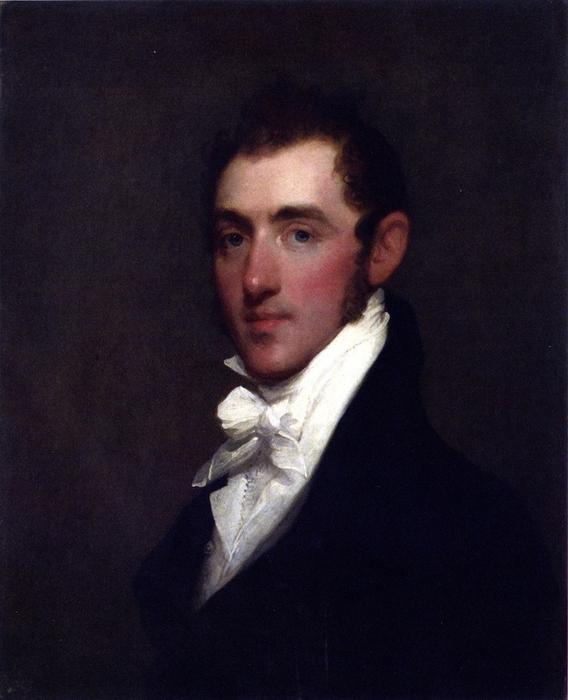
Henry Rice

Experience the Romantic elegance of Gilbert Stuart's 1815 portrait, capturing dignified American life with masterful chiaroscuro; discover this timeless piece today.

Entdecken Sie Gilbert Stuart (1755-1828), Amerikas führender Porträtkünstler! Berühmt für ikonische Werke wie das Athenäum-Porträt von George Washington. Erkunden Sie seinen Stil & Vermächtnis!

Giclée / Kunstdruck

Giclée- oder Leinwanddruck in Museumsqualität mit schneller Produktion und flexiblen Veredelungsoptionen. ( Handgemalte Reproduktion kaufen Zum digitalen Bild wechseln)

Corner sample of the P118B picture frame: moulded polystyrene, 5 cm wide and 3 cm thick
P118B €10
Corner sample of the P118H picture frame: moulded polystyrene, 5 cm wide and 3 cm thick
P118H €10
Corner sample of the P118W picture frame: moulded polystyrene, 5 cm wide and 3 cm thick
P118W €10
Corner sample of the P438Z picture frame: moulded polystyrene, 5.5 cm wide and 3.5 cm thick
P438Z €10
Corner sample of the P508JH picture frame: moulded polystyrene, 7 cm wide and 3.5 cm thick
P508JH €12
Corner sample of the P508YH picture frame: moulded polystyrene, 7 cm wide and 3.5 cm thick
P508YH €12
Corner sample of the P805H picture frame: moulded polystyrene, 5 cm wide and 3.5 cm thick
P805H €10
Corner sample of the P805Z picture frame: moulded polystyrene, 5 cm wide and 3.5 cm thick
P805Z €10
Corner sample of the P919BZ picture frame: moulded polystyrene, 7 cm wide and 3.5 cm thick
P919BZ €10
Corner sample of the P919G picture frame: moulded polystyrene, 7 cm wide and 3.5 cm thick
P919G €10
Corner sample of the P919XJ picture frame: moulded polystyrene, 7 cm wide and 3.5 cm thick
P919XJ €10
Corner sample of the P959ZH picture frame: moulded polystyrene, 5 cm wide and 3 cm thick
P959ZH €10
Corner sample of the P968JZ picture frame: moulded polystyrene, 6 cm wide and 4 cm thick
P968JZ €12
Corner sample of the W106C picture frame: solid wood, 5 cm wide and 3 cm thick
W106C €8
Corner sample of the W218G picture frame: solid wood, 5 cm wide and 3 cm thick
W218G €10
Corner sample of the W218JH picture frame: solid wood, 5 cm wide and 3 cm thick
W218JH €8
Corner sample of the W218Y picture frame: solid wood, 5 cm wide and 3 cm thick
W218Y €10
Corner sample of the W307PJ picture frame: solid wood, 6 cm wide and 3 cm thick
W307PJ €10
Corner sample of the W316G picture frame: solid wood, 6 cm wide and 3 cm thick
W316G €10
Corner sample of the W316PJ picture frame: solid wood, 6 cm wide and 3 cm thick
W316PJ €8
Corner sample of the W316Y picture frame: solid wood, 6 cm wide and 3 cm thick
W316Y €10
Corner sample of the W398PJ picture frame: solid wood, 5 cm wide and 3 cm thick
W398PJ €8
Corner sample of the W4111J picture frame: solid wood, 6.5 cm wide and 3.5 cm thick
W4111J €10
Corner sample of the W500HY picture frame: solid wood, 7 cm wide and 5 cm thick
W500HY €15
Corner sample of the W500JH picture frame: solid wood, 7 cm wide and 5 cm thick
W500JH €15
Corner sample of the W692G picture frame: solid wood, 8 cm wide and 4 cm thick
W692G €12
Corner sample of the W849H picture frame: solid wood, 5 cm wide and 3 cm thick
W849H €8
Corner sample of the W940BG picture frame: solid wood, 7.5 cm wide and 4.5 cm thick
W940BG €15
Corner sample of the W953PJ picture frame: solid wood, 6 cm wide and 3.5 cm thick
W953PJ €8

Standardformat
individuell anpassbar
CM
INCH

Wählen Sie aus unseren vordefinierten Formaten, die den ursprünglichen Proportionen des Kunstwerks entsprechen.

Breite
Höhe

Sie können Ihre eigenen Maße eingeben, um ein bestimmtes Format oder einen speziellen Platz einzupassen. Wenn das von Ihnen gewählte Format nicht den Proportionen des Originalbildes entspricht, werden wir das Kunstwerk entweder beschneiden oder das Bild mit einem gespiegelten oder einfarbigen Rand erweitern. Ein digitaler Entwurf wird Ihnen zur Genehmigung zugesandt, bevor die Produktion beginnt.
Bitte beachten Sie, dass die Vorschau auf dem Bildschirm nicht den tatsächlichen Zuschnitt oder die Erweiterung widerspiegelt. Nur der Entwurf zeigt die endgültige Komposition präzise an.
Obwohl Sondermaße verfügbar sind, empfehlen wir die Auswahl eines Maßes aus der vordefinierten Liste, um die ursprünglichen Proportionen zu bewahren.

Weltweiter Versand () innerhalb von 2 Wochen statt der üblichen 4/5 Wochen. (10 Oktober)

Kostenloser weltweiter Expressversand
Hochwertige Leinenleinwand
Vollständiger Versicherungsschutz beim Versand
Zollgebühren-Rückerstattungsgarantie
Garantie für exakte Farbtreue
100-tägiges Rückgaberecht (nur bei Mängeln)
100% Geld-zurück-Garantie
Angebot für Mengenrabatt

Gesamtpreis

€ 59

Henry Rice

Giclée / Kunstdruck

Format der Reproduktion

-

Gesamtpreis

€ 59

Kurzübersicht

  • Dimensions: 26 1/2 x 21"
  • Title: Henry Rice
  • Subject or theme: Portrait of Newton Henry Rice
  • Artist: Gilbert Stuart
  • Movement: Neoclassicism
  • Year: 1815
  • Medium: Oil on wood

Kunst-Quiz

Jede Frage hat nur eine richtige Antwort.

Frage 1:
What artistic movement is Gilbert Stuart associated with?
Frage 2:
Where did Gilbert Stuart receive significant training during his formative years?
Frage 3:
What is the primary subject depicted in 'Henry Rice'?
Frage 4:
Approximately when was ‘Henry Rice’ painted?
Frage 5:
What is notable about the man's expression in the portrait?

A Glimpse into Romantic Elegance

In the quiet, commanding presence of Gilbert Stuart’s 1815 portrait, Henry Rice, one finds much more than a mere historical record; it is an intimate window into the soul of the Romantic era. The painting presents us with Newton Henry Rice, a man whose very countenance seems to bridge the gap between the structured dignity of the past and the burgeoning emotional depth of a new American identity. As we gaze upon his face, we are met with a directness that is both unsettling and deeply captivating. Stuart does not merely capture a likeness; he orchestrates an encounter. The subject’s steady gaze, framed by a meticulously rendered beard and mustache, invites the viewer into a silent dialogue, suggesting a character forged in the crucible of leadership and thoughtful reflection.

The composition of the work possesses a subtle, layered complexity that rewards the lingering eye. While Rice stands as the undeniable protagonist, the presence of figures receding into the soft-focus background hints at a larger narrative of lineage and social connection. This arrangement creates a sense of depth that transcends the two-dimensional plane, suggesting the weight of family and the interconnectedness of the Rhode Island elite during this transformative period. For the collector or the interior designer, this piece offers a profound sense of gravity, making it an ideal centerpiece for spaces that demand a touch of historical prestige and intellectual weight.

The Mastery of Light and Shadow

Technically, Henry Rice is a masterclass in the use of chiaroscuro. Stuart, a titan of American portraiture, employs the dramatic interplay of light and shadow to sculpt the subject’s features with breathtaking realism. The way the light catches the texture of the clothing and the subtle contours of the face creates an illusion of three-dimensional vitality that feels almost tactile. This technique does more than just define form; it imbues the portrait with a luminous, ethereal quality, as if the subject were emerging from the shadows of history into the light of the present moment.

Though Stuart’s roots are firmly planted in the Neoclassical tradition—characterized by order, clarity, and restraint—this particular work whispers of the Romantic movement's arrival. There is a palpable emotional resonance found in the tonal gradations and the soft, expressive lighting that moves away from the austere rigidity of earlier decades. The artist’s brushwork, though smooth and refined, possesses an underlying energy that breathes life into the oil on wood, ensuring that the painting remains vibrant and emotionally accessible even centuries after its completion.

A Legacy for the Discerning Collector

To possess a reproduction of such a significant work is to bring a piece of American heritage into one's personal environment. Henry Rice serves as an evocative symbol of transition—a moment when the old world’s formal structures began to merge with the raw, expressive spirit of the new. It is a work that speaks of strength, stability, and the enduring power of character. Whether placed in a sophisticated study, a grand hallway, or a curated gallery wall, this portrait provides an anchor of timeless elegance.

For those seeking to inspire others through art, this piece offers a rich tapestry of historical context and aesthetic beauty. It is not merely a decoration; it is a conversation starter, a testament to the skill of Gilbert Stuart, and a profound tribute to the dignity of the human spirit. In every stroke of the brush, there is an invitation to contemplate the legacies we leave behind and the enduring grace of a well-lived life.

Fragen & Antworten

Welchen Kontrast weist "Henry Rice" von Gilbert Stuart auf?

Der Hell-Dunkel-Kontrast von „Henry Rice“ wird mit Gentle angegeben. Der Kontrast beschreibt, wie stark sich helle und dunkle Bereiche voneinander unterscheiden.

Wer hat "Henry Rice" erschaffen?

"Henry Rice" wird Gilbert Stuart zugeschrieben.

Wo sollte eine Reproduktion von "Henry Rice" von Gilbert Stuart aufgehängt werden?

Format (Portrait) und der empfohlene Raum (Living Room) sind die zwei festgehaltenen Platzierungsdetails für "Henry Rice" von Gilbert Stuart.

Welche Größe und Ausrichtung werden für einen Druck von "Henry Rice" von Gilbert Stuart empfohlen?

Für „Henry Rice“ wird ein Druckformat von Medium in der Ausrichtung Portrait empfohlen.

Wie alt war Gilbert Stuart, als „Henry Rice“ geschaffen wurde?

Gilbert Stuart war 60 Jahre alt, als Henry Rice im Jahr 1815 geschaffen wurde. Das Alter berechnet sich aus dem Geburtsjahr des Künstlers, 1755.

In welchem Jahr wurde "Henry Rice" geschaffen?

"Henry Rice" stammt aus dem Jahr 1815. Dieses Datum ordnet das Werk in die Schaffensperiode von Gilbert Stuart sowie in dessen Epoche ein.

Woraus besteht "Henry Rice"?

Gilbert Stuart verwendete die Technik der Oil für „Henry Rice“. Die Technik bestimmt die materielle Beschaffenheit des Originalwerks.


Biografie des Künstlers

Gilbert Stuart: Ein Leben in der Porträtmalerei

  • Geboren: 3. Dezember 1755, Saunderstown, Rhode Island
  • Gestorben: 9. Juli 1828, Boston, Massachusetts
  • Nationalität: Amerikaner
  • Stilrichtung: Neoklassizismus
  • Bekannt für: Porträtmalerei, insbesondere Porträts von bedeutenden Persönlichkeiten der frühen amerikanischen Geschichte.

Frühes Leben und Ausbildung

  • Gilbert Stuart wurde in eine Familie mit schottischen Wurzeln geboren; sein Vater, ebenfalls Gilbert genannt, war ein Erfinder, der die erste Snuffmühle in Rhode Island gründete.
  • Sein künstlerisches Talent trat schon in jungen Jahren zutage und zeigte Fähigkeiten bereits als Kind.
  • Mit 14 Jahren malte er "Dr. Hunter's Spaniels", was frühes Versprechen demonstrierte.
  • Er reiste um 1771 nach Schottland, um unter Cosmo Alexander zu studieren, kehrte aber nach Alexanders Tod im Jahr 1775 zurück.
  • Weitere Ausbildung fand von 1775 bis 1780 in London bei Benjamin West statt, einem bedeutenden amerikanischen Maler, der in England lebte. Diese Zeit war entscheidend für die Entwicklung seines künstlerischen Stils und den Gewinn an Anerkennung innerhalb der Royal Academy.

Künstlerische Karriere und Hauptwerke

  • Stuarts Karriere sah während der Amerikanischen Revolution Herausforderungen vor, was ihn dazu veranlasste, 1775 nach England umzuziehen.
  • Er erlangte mit "The Skater" (1782) frühzeitig Erfolg, einem Porträt, das seinen Ruf etablierte.
  • Sein berühmtestes Werk ist das unvollendete Porträt von George Washington, bekannt als das Athenäum-Porträt (begonnen 1796). Dieses Bild ist zu einer Ikone geworden und erscheint auf US-Währungen und Briefmarken. Stuart produzierte zahlreiche Kopien dieses Porträts für Auftraggeber in Amerika und Europa.
  • Er malte Porträts mehrerer anderer prominenter Persönlichkeiten, darunter John Adams, Thomas Jefferson und James Madison sowie viele Mitglieder der Föderalistenelite.
  • Stuarts Stil war durch einen neoklassizistischen Ansatz gekennzeichnet, der Realismus betonte und das Aussehen und den Charakter seiner Modelle einfing. Er verwendete oft eine dramatische Licht- und Schattenwirkung, um die Wirkung der Porträts zu verstärken.

Einflüsse und Entwicklung

  • Cosmo Alexander vermittelte frühe Schulungen in Technik und Komposition.
  • Benjamin Wests Einfluss war bedeutend und prägte Stuarts Verständnis von Porträtmalerei und künstlerischen Prinzipien.
  • Die neoklassizistische Bewegung, mit ihrem Fokus auf klassische Formen und Ideale, beeinflusste seinen Stil stark.
  • Stuarts eigene Beobachtungen und Interaktionen mit seinen Modellen trugen zur psychologischen Tiefe und zum Realismus in seinen Porträts bei. Er versuchte nicht nur ein Abbild festzuhalten, sondern auch den Charakter und die Persönlichkeit derer, die er malte.

Historische Bedeutung und Vermächtnis

  • Gilbert Stuart gilt als einer der bedeutendsten Porträtmaler Amerikas und spielte eine entscheidende Rolle bei der Dokumentation der frühen Jahre der Vereinigten Staaten.
  • Das Athenäum-Porträt von George Washington ist zu einem bleibenden Symbol für amerikanische Identität und Führung geworden.
  • Seine Porträts liefern wertvolle historische Einblicke in das Leben und Aussehen prominenter Persönlichkeiten des späten 18. und frühen 19. Jahrhunderts.
  • Stuarts Werk wird in wichtigen Museen in den Vereinigten Staaten und Europa vertreten sein, um sicherzustellen, dass sein Vermächtnis von Generationen geschätzt wird.
  • Er etablierte einen unverwechselbaren amerikanischen Stil der Porträtmalerei, der europäische Techniken mit einzigartig amerikanischen Sensibilitäten verband.
Gilbert Stuart

Gilbert Stuart

1755 - 1828 , Vereinigtes Königreich

Eckdaten zum Künstler

  • Beeinflusste Künstler:
    • Cosmo Alexander
    • Benjamin West
  • Bemerkenswerte Werke:
    • Dr. Hunter's Spaniels
    • The Skater
    • Athenäum-Porträt
  • Geburtsdatum: 3. Dezember 1755
  • Geburtsort: Saunderstown, Vereinigtes Königreich
  • Künstlerische Richtung: Neoklassizismus
  • Nationalität: Amerikanisch
  • Todestag: 9. Juli 1828
  • Vollständiger Name: Gilbert Charles Stuart
Entdecken Sie Kunstwerke, die nach Themen, Stilen und Merkmalen sortiert sind.