Der Architekt des römischen Geistes: Das Leben und das Erbe von Giacomo della Porta
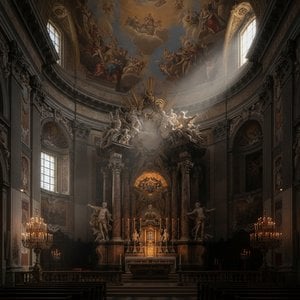
Giacomo della Porta (1533–1602) war weit mehr als nur ein Baumeister; er war ein Visionär, dessen Hände und Verstand dazu beitrugen, die Seele des römischen Spätrenaissance-Zeitalters zu formen. Geboren in der friedlichen Landschaft von Porlezza, Italien, ist sein Weg vom lombardischen Lehrling zum bedeutendsten Architekten der Manierismus-Ära ein Zeugnis für die transformative Kraft klassischer Ausbildung. Unter den wachsamen Augen seines Vaters, Cristoforo della Porta, einem geschickten Bildhauer, erlernte Giacomo die feine Sprache von Stein und Form. Diese frühe Vertrautheit mit der haptischen Realität der Bildhauerei sollte später seine architektonische Meisterschaft beeinflussen und es ihm ermöglichen, ganze Gebäude wie monumentale, dreidimensionale Leinwände zu behandeln. Sein Talent wurde in den prächtigen Werkstätten des Mailänder Doms weiter entfacht, wo der Schatten von Michelangelos Monumentalismus präsent war und ihn lehrte, dass Architektur eine göttliche, kraftvolle Erhabenheit erreichen kann.
Mit fortschreitender Karriere wurde della Porta zu einer unverzichtbaren Figur an den päpstlichen Höfen von Paul III. und Pius IV. Er besaß die seltene Fähigkeit, die Lücke zwischen der komplexen, oft intellektualisierten Ästhetik des Manierismus und der aufkommenden, emotionalen Kraft des Barock zu schließen. Sein Werk war geprägt von einem anspruchsvollen Verständnis für Proportionen und einem kühnen Ansatz für strukturelle Innovationen, stark beeinflusst von den Prinzipien Vignolas. Diese Synthese aus klassischer Ordnung und dramatischem Ausdruck ermöglichte es ihm, die wechselnden religiösen und politischen Strömungen der Gegenreformation zu meistern und Räume zu schaffen, die sowohl intellektuell fundiert als auch spirituell überwältigend waren.
Meisterwerke aus Stein und Wasser
Das architektonische Erbe della Portas ist in den Straßen und Heiligtümern von Rom und Neapel am lebendigsten spürbar. Sein Beitrag zur
Chiesa del Gesù Nuovo gilt als Höhepunkt seines schöpferischen Wirkens. Bei der Gestaltung ihrer Fassade löste er sich von statischen, flachen Oberflächen und bewegte sich hin zu einem dynamischen Zusammenspiel von Licht und Schatten. Durch die Verwendung komplexer geometrischer Muster und komplizierter skulpturaler Reliefs verwandelte er das Äußere in ein theologisches Narrativ, bei dem jeder Pilaster und jedes Giebel dazu diente, den Blick des Betrachters zum Himmel zu lenken. Diese Meisterschaft der Fassadengestaltung half dabei, den Standard für einen Großteil der Barockarchitektur zu setzen, die in den folgenden Jahrhunderten folgen sollte.
Jenseits der Kirchenmauern floss della Portas Genie durch die Adern der Stadt mittels seiner prächtigen hydraulischen Werke. Er verstand, dass Wasser ein lebendiges Element der Stadtplanung ist, das in der Lage ist, Bewegung und Leben in den schweren Stein Roms zu bringen. Seine Beteiligung an der Schaffung ikonischer Brunnen, wie der
Fontana delle Tartarughe (Schildkrötenbrunnen), zeigt seine Fähigkeit, feine Bildhauerei mit funktionaler Ingenieurskunst zu verbinden. In diesen Werken kann man beobachten:
- Die nahtlose Integration klassischer mythologischer Figuren mit fließender, organischer Bewegung.
- Eine tiefgreifende Beherrschung der Akustik und der visuellen Wirkung des herabstürzenden Wassers.
- Den Einsatz skulpturaler Details, um intime, menschliche Momente innerhalb einer grandiosen Stadtlandschaft zu schaffen.
Ein bleibender Eindruck in der Ewigen Stadt
Die historische Bedeutung Giacomo della Portas liegt in seiner Rolle als Titan des Übergangs. Er stand am Scheideweg der Epochen, hielt die Fackel der Hochrenaissance und ebnete gleichzeitig den Weg für den Barock. Seine akribische Arbeit an der Rekonsetzung der Kuppel des
Petersdoms stellte sicher, dass die wichtigste Stätte der Christenheit die strukturelle Integrität und ästhetische Erhabenheit besaß, die ihrem Status entsprach. Durch seine Bemühungen wurde die architektonische Sprache Roms zu einer Sprache der Stärke, des Dramas und der tiefen Beständigkeit.
Selbst in seinen detaillierteren bildhauerischen Beiträgen, wie den komplizierten Elementen des
Atlas-Brunnens, bewies della Porta eine Besessenheit von der menschlichen Verfassung und der Schwere des klassischen Mythos. Seine Fähigkeit, kaltem Marmor die Spannung der Muskeln und die Anmut der Bewegung einzuhauchen, bleibt ein Markenzeichen seines Stils. Wenn wir heute durch die historischen Zentren Italiens wandern, gehen wir nicht bloß an Gebäuden vorbei; wir bewegen uns durch eine kuratierte Erfahrung von Raum und Emotion, entworfen von einem Mann, der die Welt als ein im Werden begriffenes Meisterwerk sah. Sein Lebenswerk bleibt ein fortwährender Dialog zwischen der erdgebundenen Schwere des Steins und den ätherischen Bestrebungen des menschlichen Geistes.



 Vorschau anzeigen
 Zum Druck wechseln
 Versenden
 Teilen
 Details anzeigen
 Leitfaden

 Herunterladen
 Ähnliche Objekte
 Röntgenaufnahme
 Diashow
 Statistiken


 Weiterlesen






































 Die Glasoption ist nur für Größen unter 110 cm verfügbar.