In echtem Maßstab anzeigen In AR an der Wand sehen Handgemalte Reproduktion kaufen Zum digitalen Bild wechseln Versenden als Grußkarte
Details anzeigen Zu Favoriten hinzufügen Herunterladen Ähnliche Objekte Röntgenaufnahme Diashow Besucherstatistiken

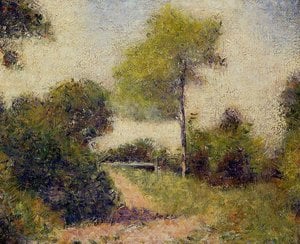
Fischerboote

Entdecken Sie Seurats 'Fischerboote' – ein friedliches Postimpressionistisches Meisterwerk von 1883. Hochwertige Reproduktionen für Kunstliebhaber auf WahooArt.com.

Erkunden Sie Georges Seurat (1859-1891), Pionier des Pointillismus und Neo-Impressionismus. Entdecken Sie 'A Sunday on La Grande Jatte' und seine revolutionäre Farbbtheorie, die das moderne Leben einfängt. Kaufen Sie handbemalte Reproduktionen!

Giclée / Kunstdruck

Giclée- oder Leinwanddruck in Museumsqualität mit schneller Produktion und flexiblen Veredelungsoptionen. ( Handgemalte Reproduktion kaufen Zum digitalen Bild wechseln)

P118B $10
P118H $10
P118W $10
P438Z $10
P508JH $12
P508YH $12
P805H $10
P805Z $10
P919BZ $10
P919G $10
P919XJ $10
P959ZH $10
P968JZ $12
W106C $8
W218G $10
W218JH $8
W218Y $10
W307PJ $10
W316G $10
W316PJ $8
W316Y $10
W398PJ $8
W4111J $10
W500HY $15
W500JH $15
W692G $12
W849H $8
W940BG $15
W953PJ $8

Standardformat
individuell anpassbar
CM
INCH

Wählen Sie aus unseren vordefinierten Formaten, die den ursprünglichen Proportionen des Kunstwerks entsprechen.

Breite
Höhe

Sie können Ihre eigenen Maße eingeben, um ein bestimmtes Format oder einen speziellen Platz einzupassen. Wenn das von Ihnen gewählte Format nicht den Proportionen des Originalbildes entspricht, werden wir das Kunstwerk entweder beschneiden oder das Bild mit einem gespiegelten oder einfarbigen Rand erweitern. Ein digitaler Entwurf wird Ihnen zur Genehmigung zugesandt, bevor die Produktion beginnt.
Bitte beachten Sie, dass die Vorschau auf dem Bildschirm nicht den tatsächlichen Zuschnitt oder die Erweiterung widerspiegelt. Nur der Entwurf zeigt die endgültige Komposition präzise an.
Obwohl Sondermaße verfügbar sind, empfehlen wir die Auswahl eines Maßes aus der vordefinierten Liste, um die ursprünglichen Proportionen zu bewahren.

Weltweiter Versand () innerhalb von 2 Wochen statt der üblichen 4/5 Wochen. (17 September)

why_choose_icon
Kostenloser weltweiter Expressversand
why_choose_icon
Hochwertige Leinenleinwand
why_choose_icon
Vollständiger Versicherungsschutz beim Versand
why_choose_icon
Zollgebühren-Rückerstattungsgarantie
why_choose_icon
Garantie für exakte Farbtreue
why_choose_icon
100-tägiges Rückgaberecht (nur bei Mängeln)
why_choose_icon
100% Geld-zurück-Garantie
why_choose_icon
Angebot für Mengenrabatt

Gesamtpreis

$ 68

reproduction

Fischerboote

Giclée / Kunstdruck

Format der Reproduktion

-

Gesamtpreis

$ 68

Kurzübersicht

  • Influences: Optical truth
  • Artist: Georges Seurat
  • Year: 1883
  • Style: Luminous precision
  • Medium: Oil on panel
  • Notable elements: Pointillism, brushstrokes
  • Movement: Post-Impressionism

Kunst-Quiz

Jede Frage hat nur eine richtige Antwort.

Frage 1:
Which art movement is Georges Seurat’s ‘Fishermen’ most closely associated with?
Frage 2:
What technique is prominently featured in ‘Fishermen’ to create its visual effect?
Frage 3:
The painting depicts two men engaged in what activity?
Frage 4:
According to the description, where is ‘Fishermen’ currently housed?
Frage 5:
What does the description suggest about the overall atmosphere of ‘Fishermen’?

Georges Seurat’s “Fishermen”: A Study in Light and Tranquility

Georges Pierre Seurat's "Fishermen," painted in 1883, is more than just a depiction of two men engaged in their craft; it’s a profound meditation on light, color, and the quiet beauty of rural life. Housed within the Musee d'Art Moderne de Troyes, this oil-on-panel work offers a glimpse into the burgeoning world of Post-Impressionism, a movement that sought to move beyond mere representation towards a more scientific and intellectual approach to art. Seurat, a pivotal figure in this shift, meticulously constructed his scene not as an impression of a fleeting moment, but as a calculated arrangement designed to reveal the underlying structure of light itself – a principle he termed “optical mixing.”

The painting immediately draws the eye with its harmonious palette and the deliberate application of color. Seurat employed his signature Pointillist technique, meticulously applying tiny dots of pure pigment onto the canvas. This method, inspired by theories of optics and color perception developed by Eugène Chevreul, aimed to create an illusion of blended colors through the viewer’s eye. Rather than mixing paint on the palette, Seurat built up the image using countless individual points, resulting in a shimmering surface that seems to radiate light. The blues and greens of the river and sky are not simply applied; they are constructed from a mosaic of vibrant hues, creating an astonishingly luminous effect.

The Anatomy of Observation: Technique and Composition

Beyond the dazzling use of color lies Seurat’s rigorous approach to composition. He studied the effects of light on surfaces with painstaking detail, often sketching outdoors for extended periods to capture these nuances. “Fishermen” exemplifies this dedication – the way the sunlight catches the ripples on the water, the subtle gradations in tone across the figures' clothing, and the reflections shimmering off the boats are all meticulously rendered. The arrangement of the fishermen themselves is carefully considered; their postures suggest a relaxed camaraderie, while the distant boats create a sense of depth and spatial perspective. Notice how Seurat uses horizontal lines to anchor the composition, contrasting them with the diagonal thrust of the river – a subtle yet effective technique for guiding the viewer’s eye.

The inclusion of the figure in the background, partially obscured by the foliage, adds an element of mystery and invites speculation. Is this observer a fellow fisherman, a passerby, or perhaps someone simply enjoying the tranquility of the scene? This ambiguity contributes to the painting's overall sense of quiet contemplation.

A Reflection of its Time: Post-Impressionism and Beyond

"Fishermen" is inextricably linked to the broader context of late 19th-century France. Following in the footsteps of Impressionists like Monet and Renoir, Seurat sought to move beyond capturing fleeting impressions of light and color. However, unlike his predecessors, he approached art with a scientific mindset, drawing upon principles of mathematics, optics, and psychology. This intellectual rigor distinguished him from other Post-Impressionist artists such as Van Gogh and Gauguin, who prioritized emotional expression over systematic observation.

The painting’s influence extends far beyond its immediate historical context. Seurat's meticulous technique paved the way for later developments in modern art, including Fauvism and Orphism. His exploration of color theory and his emphasis on optical effects continue to inspire artists today. Reproductions of “Fishermen” offer a unique opportunity to appreciate this revolutionary work and its enduring legacy.

Bringing "Fishermen" Home: A Reproduction for the Connoisseur

WahooArt offers exquisite, hand-painted reproductions of Georges Seurat’s “Fishermen,” meticulously crafted by our team of skilled artists. We understand that owning a piece of art history is more than just acquiring an image; it's about experiencing the artist's vision and capturing its emotional resonance. Our reproductions faithfully recreate Seurat’s Pointillist technique, using archival-quality materials to ensure lasting beauty and vibrancy. Whether you are an avid collector, an interior designer seeking a touch of artistic sophistication, or simply someone who appreciates the power of art, a WahooArt reproduction of “Fishermen” is a timeless addition to any collection.

Explore our selection of high-quality reproductions at https://WahooArt.com and bring the serenity and intellectual depth of Seurat’s masterpiece into your home.


Biografie des Künstlers

Georges Seurat: Ein Pionier des Neoimpressionismus

Frühes Leben und Ausbildung

  • Geboren: 2. Dezember 1859 in Paris, Frankreich.
  • Seurats Familie zog kurz nach seiner Geburt auf den Boulevard de Magenta um.
  • Sein Vater, Antoine Chrysostome Seurat, war ein ehemaliger Jurist, der durch Immobilienhandel reich wurde.
  • Er begann seine künstlerische Ausbildung an der École Municipale de Sculpture et Dessin, in der Nähe seines Zuhauses, unter dem Bildhauer Justin Lequien.
  • Im Jahr 1878 meldete er sich an der renommierten École des Beaux-Arts an und studierte bei Henri Lehmann.

Künstlerische Entwicklung und Einflüsse

  • Seurats künstlerliche Persönlichkeit war eine einzigartige Mischung aus Sensibilität und logischer Abstraktion. Er verband zarte Empfindsamkeit mit mathematischer Präzision.
  • Einflüsse: Obwohl spezifische Einflüsse diskutiert werden, studierte er die Farbbtheorien von Wissenschaftlern wie Michel Eugène Chevreul und Ogden Rood.
  • Er experimentierte zunächst mit traditionellen Zeichentechniken, bevor er seinen charakteristischen Stil entwickelte.
  • Seine frühen Werke zeigen ein Interesse an akademischer Malerei, ging aber allmählich zu einem innovativeren Ansatz über.

Chromoluminarismus und Pointillismus

  • Seurat entwickelte die Techniken des Chromoluminarismus (die Wissenschaft der Farbe) und des Pointillismus, indem er kleine, deutliche Punkte reiner Farbe auf eine Leinwand auftrug.
  • Er verwendete Conté-Kreide für detaillierte Zeichnungen auf rauer Papiersubstanz als Teil seines Prozesses.
  • Ziel des Pointillismus: Die Idee war, dass das Auge des Betrachters diese Farben optisch miteinander mischen und so einen lebendigen und leuchtenden Effekt erzeugt.

Wichtige Leistungen und bemerkenswerte Werke

  • Ein Sonntagnachmittag auf der Île de la Grande Jatte (1884-1886): Sein berühmtestes Werk, das den Beginn des Neoimpressionismus markiert. Es veranschaulicht seine Pointillist-Technik und seinen methodischen Ansatz.
  • Alfalfa, Saint-Denis (1886-1887): Demonstriert seine Anwendung der Farbbtheorie auf eine ländliche Landschaft.
  • Landschaft bei Saint-Ouen (1882-1883): Ein frühes Beispiel, das seinen sich entwickelnden Stil und sein Interesse an Licht und Atmosphäre zeigt.
  • Der Eiffelturm (1889): Eine Darstellung des ikonischen Pariser Wahrzeichens, dargestellt mit Pointillist-Techniken.
  • Bäderer in Asnières (1884): Ein weiteres bedeutendes Werk, das Freizeit und modernen Lebensstil mit seinem unverwechselbaren Stil erforscht.

Historische Bedeutung und Vermächtnis

  • Seureats Werk beeinflusste die Entwicklung der modernen Kunst nachhaltig, insbesondere durch seinen Schwerpunkt auf subjektivem Ausdruck und die Erforschung neuer Techniken.
  • Legte den Grundstein: Er legte den Grundstein für Bewegungen wie Fauvismus, Kubismus und Expressionismus.
  • Sein wissenschaftlicher Ansatz in der Malerei stellte traditionelle künstlerische Konventionen in Frage.
  • Trotz seines kurzen Lebens (er starb im Alter von 31 Jahren) hinterließ Seurat einen unauslöschlichen Eindruck in der Kunstgeschichte und inspirierte Generationen von Künstlern mit seiner innovativen Vision.
Georges Pierre Seurat

Georges Pierre Seurat

1859 - 1891 , Frankreich

Eckdaten zum Künstler

  • Beeinflusste Künstler:
    • Fauvismus
    • Kubismus
  • Bemerkenswerte Werke:
    • Ein Sonntagnachmittag...
    • Bäufer in Asnières
    • Der Eiffelturm
  • Einflüsse:
    • Michel Eugène Chevreul
    • Ogden Rood
  • Geburtsdatum: 2. Dezember 1859
  • Geburtsort: Paris, Frankreich
  • Künstlerische Bewegung: Neo-Impressionismus
  • Nationalität: Französisch
  • Sterbedatum: 1891
  • Vollständiger Name: Georges Pierre Seurat
Entdecken Sie Kunstwerke, die nach Themen, Stilen und Merkmalen sortiert sind.