Frühes Leben und Werdegang
Gentile da Fabriano, ein italienischer Maler, wurde um 1370 in oder nahe Fabriano im Marche-Gebiet Italiens geboren. Seine Mutter verstarb vor 1380, und sein Vater, Niccolò di Giovanni Massi, zog 1385 in ein Kloster. Über Gentiles frühe künstlerische Ausbildung ist wenig bekannt, aber eines seiner ersten bekannten Werke, die
Madonna mit Kind (ca. 1395-1400, heute in Berlin), zeigt den Einfluss der spätgotischen Malerei Norditaliens.
Karrierehöhepunkte
* Um 1405 arbeitete Gentile da Fabriano in Venedig, wo er ein Tafelbild für die Kirche Santa Sofia malte (heute verloren). Er kooperierte auch mit Jacopo Bellini und kannte Pisanello und Michelino da Besozzo. * Zwischen 1410 und 1412 schuf er eines seiner Meisterwerke, das
Valle Romita Polyptychon (heute in der Pinacoteca di Brera). * Im Jahr 1423 malte Gentile da Fabriano sein berühmtes Altarbild, die
Anbetung der Heiligen Drei Könige, heute in den Uffizien, das als eines der Meisterwerke des Internationalen Gotischen Stils gilt.
Wichtige Werke und Standorte
Stil und Bedeutung
Gentile da Fabriano gilt als einer der Hauptvertreter des Internationalen Gotischen Stils in Italien. Sein Stil zeichnet sich durch eine detailreiche Darstellung, elegante Figuren und eine harmonische Farbgebung aus. Er kombinierte naive Erzählfreude mit höfischer Eleganz. Gentiles Werke beeinflussten die florentinischen Maler und bildeten das Gegenstück zum kargen Realismus Masaccios. Er war der Erste in der Reihe glänzender Maler Umbriens. Zu seinen Schülern zählen bedeutende Maler wie Pisanello oder Jacopo Bellini.
Tod und Vermächtnis
Gentile da Fabriano starb vor dem 14. Oktober 1427. Er wurde in der Kirche Santa Maria in Trastevere, Rom, oder möglicherweise in der heute als S. Francesca Romana bekannte Kirche in Florenz begraben, obwohl sein Grab verschwunden ist. Sein Einfluss auf die Malerei des 15. Jahrhunderts war bedeutend und seine Werke werden bis heute für ihre Schönheit und ihren Detailreichtum geschätzt.



 In echtem Maßstab anzeigen
 Zum Druck wechseln
 Versenden als Grußkarte
 Teilen
 Details anzeigen
 Leitfaden öffnen

 Herunterladen
 Ähnliche Objekte
 Röntgenaufnahme
 Diashow
 Besucherstatistiken


 Mehr anzeigen






































 Die Glasoption ist nur für Größen unter 110 cm verfügbar.


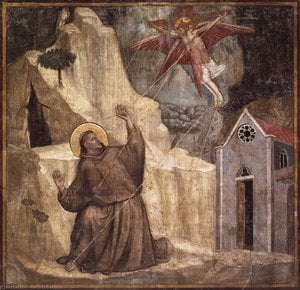
![Leben Des Heiligen Franziskus - [01] - Stigmatiisierung Des Heiligen Franziskus — Giotto Di Bondone, Frührenaissance](/media/artworks/images-thumb/fd/6a/fd6ae2a8f5e88e0ace6b86a21d020ded.jpg)


