Vorschau anzeigen In AR ansehen Zum Druck wechseln Zum digitalen Bild wechseln Versenden
Details anzeigen Leitfaden Zu Favoriten hinzufügen Herunterladen Ähnliche Objekte Röntgenaufnahme Diashow Statistiken

Der Tote Dimas

Ein bewegendes Porträt des kleinen Dimas von Frida Kahlo aus dem Jahr 1937. Eine Darstellung von Trauer, Ruhe und der Schönheit des Lebens – eine handgemalte Reproduktion.

Erkunden Sie Fridas Kahlos Kunst (1907-1954): ikonische Selbstporträts, Surrealismus & mexikanisches Erbe. Entdecken Sie Themen wie Identität, Schmerz und ihr feministisches Erbe.

Handgefertigte Ölreproduktion

Handgemaltes Ölgemälde auf Leinwand in Ihrer Wunschgröße und mit Rahmen, auf Bestellung von unseren Künstlern angefertigt. ( Zum Druck wechseln Zum digitalen Bild wechseln)

Corner sample of the P118B picture frame: formgepresstes Polystyrol, 5 cm wide and 3 cm thick
P118B €10
Corner sample of the P118H picture frame: formgepresstes Polystyrol, 5 cm wide and 3 cm thick
P118H €10
Corner sample of the P118W picture frame: formgepresstes Polystyrol, 5 cm wide and 3 cm thick
P118W €10
Corner sample of the P438Z picture frame: formgepresstes Polystyrol, 5.5 cm wide and 3.5 cm thick
P438Z €10
Corner sample of the P508JH picture frame: formgepresstes Polystyrol, 7 cm wide and 3.5 cm thick
P508JH €12
Corner sample of the P508YH picture frame: formgepresstes Polystyrol, 7 cm wide and 3.5 cm thick
P508YH €12
Corner sample of the P805H picture frame: formgepresstes Polystyrol, 5 cm wide and 3.5 cm thick
P805H €10
Corner sample of the P805Z picture frame: formgepresstes Polystyrol, 5 cm wide and 3.5 cm thick
P805Z €10
Corner sample of the P919BZ picture frame: formgepresstes Polystyrol, 7 cm wide and 3.5 cm thick
P919BZ €10
Corner sample of the P919G picture frame: formgepresstes Polystyrol, 7 cm wide and 3.5 cm thick
P919G €10
Corner sample of the P919XJ picture frame: formgepresstes Polystyrol, 7 cm wide and 3.5 cm thick
P919XJ €10
Corner sample of the P959ZH picture frame: formgepresstes Polystyrol, 5 cm wide and 3 cm thick
P959ZH €10
Corner sample of the P968JZ picture frame: formgepresstes Polystyrol, 6 cm wide and 4 cm thick
P968JZ €12
Corner sample of the W106C picture frame: Massivholz, 5 cm wide and 3 cm thick
W106C €8
Corner sample of the W218G picture frame: Massivholz, 5 cm wide and 3 cm thick
W218G €10
Corner sample of the W218JH picture frame: Massivholz, 5 cm wide and 3 cm thick
W218JH €8
Corner sample of the W218Y picture frame: Massivholz, 5 cm wide and 3 cm thick
W218Y €10
Corner sample of the W307PJ picture frame: Massivholz, 6 cm wide and 3 cm thick
W307PJ €10
Corner sample of the W316G picture frame: Massivholz, 6 cm wide and 3 cm thick
W316G €10
Corner sample of the W316PJ picture frame: Massivholz, 6 cm wide and 3 cm thick
W316PJ €8
Corner sample of the W316Y picture frame: Massivholz, 6 cm wide and 3 cm thick
W316Y €10
Corner sample of the W398PJ picture frame: Massivholz, 5 cm wide and 3 cm thick
W398PJ €8
Corner sample of the W4111J picture frame: Massivholz, 6.5 cm wide and 3.5 cm thick
W4111J €10
Corner sample of the W500HY picture frame: Massivholz, 7 cm wide and 5 cm thick
W500HY €15
Corner sample of the W500JH picture frame: Massivholz, 7 cm wide and 5 cm thick
W500JH €15
Corner sample of the W692G picture frame: Massivholz, 8 cm wide and 4 cm thick
W692G €12
Corner sample of the W849H picture frame: Massivholz, 5 cm wide and 3 cm thick
W849H €8
Corner sample of the W940BG picture frame: Massivholz, 7.5 cm wide and 4.5 cm thick
W940BG €15
Corner sample of the W953PJ picture frame: Massivholz, 6 cm wide and 3.5 cm thick
W953PJ €8

Standardformat
individuell anpassbar
CM
INCH

Wählen Sie aus unseren vordefinierten Formaten, die den ursprünglichen Proportionen des Kunstwerks entsprechen.

Breite
Höhe

Geben Sie die Breite und die Höhe an, die Sie für Ihren Rahmen oder Ihre Wand benötigen. Da dieses Werk handgemalt ist, kann der Künstler bei einer anderen Form etwas mehr um das Bild herum malen oder etwas abschneiden – Sie entscheiden. Wir senden Ihnen ein digitales Mockup zur Freigabe, bevor mit dem Malen begonnen wird. Das auf dieser Seite gezeigte Bild stellt nicht das tatsächliche Ergebnis dar – dies tut nur das Mockup.

Beispiele für Anpassungsmöglichkeiten: Gesicht durch Kundenfoto ersetzen; Haustier hinzufügen (z. B. Katze durch Hund ersetzen); eine versteckte Nachricht im Hintergrund einfügen; Hintergrundlandschaft oder -elemente ändern.
Nach der Bestellung wird das WahooArt.com-Team dem Kunden Anweisungen per E-Mail zusenden und eine Mockup-Vorschau bereitstellen.

Weltweiter Versand () in nur 3 bis 4 Wochen statt der üblichen 5 Wochen. (28 Oktober). Keine Kompromisse bei der Qualität.

Kostenloser weltweiter Expressversand
Hochwertige Leinenleinwand
Umfassender Versicherungsschutz beim Versand
Zollgebühren-Rückerstattungsgarantie
Garantie für exakte Farbtreue
100 Tage Rückgaberecht (nur bei Mängeln)
100% Geld-zurück-Garantie
Mengenrabatt verfügbar

Gesamtpreis

€ 240

Der Tote Dimas

Art der Reproduktion

Format der Reproduktion

-

Endpreis

€ 240

Eckdaten

  • Medium: Ölfarbe auf Leinwand
  • Bewegung: Mexikanische Surrealismus
  • Künstler: Frida Kahlo
  • Besondere Elemente: Blumen, Bücher, Kind
  • Jahr: 1937
  • Einflüsse:
    • Mexikanische Kultur
    • Magdalena

Kunst-Quiz

Jede Frage hat nur eine richtige Antwort.

Frage 1:
Welche Emotion vermittelt das Bild "Die Verstorbene Dimas" hauptsächlich?
Frage 2:
Welche Rolle spielt die Krone auf dem Kopf des Kindes im Bild?
Frage 3:
Frida Kahlo war bekannt für ihre Werke, die oft persönliche und symbolische Themen behandeln. Welche der folgenden Aussagen beschreibt am besten ihren Stil?
Frage 4:
In welchem Jahr wurde "Die Verstorbene Dimas" von Frida Kahlo gemalt?
Frage 5:
Welche der folgenden Elemente deutet auf eine gemütliche Atmosphäre im Bild hin?

Ein stilles Requiem: Frida Kahlo’s “Der Verstorbene Dimas” – Eine Betrachtung

Frida Kahlo's "Der Verstorbene Dimas" (The Deceased Dimas), painted in 1937, is not merely a portrait; it’s an intensely personal and profoundly moving exploration of grief, memory, and the fragility of life. This intimate canvas, measuring a modest 48 x 31 cm, offers a glimpse into Kahlo's deeply felt emotions following the death of her stillborn son, Dimas, in 1937 – an event that irrevocably shaped her artistic trajectory. The painting’s quiet power lies not in dramatic gestures or overt sorrow, but rather in its subtle details and carefully constructed symbolism.

Kahlo's distinctive style is immediately recognizable. The composition is dominated by a young boy lying peacefully on a bed, his face serene and almost ethereal. He wears a simple crown, a poignant symbol of remembrance and the elevation of the deceased to a state of idealized rest. The use of color is restrained – predominantly earthy tones punctuated by the vibrant hues of scattered flowers. These blossoms, meticulously rendered with Kahlo’s characteristic precision, aren't simply decorative; they represent life, beauty, and the enduring cycle of nature—a gentle counterpoint to the loss represented by the child. The careful placement of each flower suggests a deliberate orchestration, almost as if arranging a miniature still life reflecting on mortality.

Die Anatomie des Schmerzes und der Erinnerung

Kahlo’s technique is characterized by her unflinching honesty and directness. She employed a layered approach, building up the image with thin washes of color applied to dark gesso – a method known as *velatura* – creating a luminous surface that seems to glow from within. The boy's body is rendered with remarkable detail, capturing the delicate texture of skin and fabric. Notably, Kahlo’s signature self-portrait elements are subtly present; the boy’s posture mirrors her own, suggesting a shared experience of vulnerability and pain. This isn’t a detached observation but an intimate reflection on the universal human condition of loss.

The surrounding objects – the books, the chair – contribute significantly to the painting's narrative depth. The open books hint at a life interrupted, a potential future cut short. The chair, bathed in soft light, evokes a sense of comfort and domesticity, a space where memories linger. These elements aren’t merely props; they are integral parts of the story Kahlo is telling – a story of childhood innocence lost and the enduring power of remembrance.

Historischer Kontext und psychologische Tiefe

1937 was a particularly challenging year for Kahlo, marked by her husband Diego Rivera’s infidelity and the devastating loss of Dimas. This painting emerged from this period of profound grief and emotional turmoil. It's crucial to understand that Kahlo didn’t shy away from confronting difficult subjects; instead, she used art as a means of processing her pain and making sense of her experiences. “Der Verstorbene Dimas” is therefore not just a depiction of a child but a deeply symbolic representation of Kahlo’s own struggle with mortality and the enduring ache of maternal loss.

The painting's emotional impact is undeniable. It resonates with viewers on a visceral level, prompting reflection on themes of childhood, death, and the complexities of human relationships. It’s a testament to Kahlo’s ability to transform personal tragedy into art that speaks to the universal experience of grief and remembrance. The quiet dignity of the scene, combined with the subtle symbolism, creates an atmosphere of poignant beauty and enduring sorrow.

Ein Meisterwerk für Sammler und Liebhaber

WahooArt offers meticulously crafted reproductions of “Der Verstorbene Dimas,” allowing art enthusiasts to experience the profound beauty and emotional depth of this iconic work. Our hand-painted reproductions faithfully capture Kahlo’s distinctive style, color palette, and intricate details, ensuring that you possess a genuine piece of art history. Whether displayed in a private residence or incorporated into an interior design scheme, this reproduction will serve as a powerful reminder of the enduring legacy of Frida Kahlo – a woman who dared to confront her pain with unflinching honesty and artistic brilliance.

Fragen & Antworten

Welche Farben dominieren "Der Tote Dimas" von Frida Kahlo?

"Der Tote Dimas" von Frida Kahlo verwendet eine Dunkle Farbtöne-Palette, wobei Walnussbraun (#7d6235) die dominierende Farbe ist.

Für welche Verwendung wird ein Druck von "Der Tote Dimas" empfohlen?

Die empfohlene Verwendung eines Drucks von „Der Tote Dimas“ ist Statement-Piece.

Wie bekannt ist "Der Tote Dimas" von Frida Kahlo?

"Der Tote Dimas" wird als Anerkannt eingestuft.


Künstlerbiografie

Frida Kahlo: Ein Leben in Farbe, Schmerz und Identität

frühes Leben und Einflüsse

  • Magdalena Carmen Frieda Kahlo y Calderón wurde am 6. Juli 1907 in Coyoacán, Mexiko, geboren.
  • Ihr Vater, Guillermo Kahlo, war ein deutsch-mexikanischer Fotograf, der ihre intellektuelle Neugierde und künstlerischen Anklänge förderte.
  • Mit sechs Jahren erkrankte sie an Polio, was ihr eine bleibende Gehbehinderung hinterließ und ihre körperliche Entwicklung beeinträchtigte.
  • Eine frühe Auseinandersetzung mit Literatur, Philosophie und Natur durch ihren Vater prägte ihre Weltanschauung.
  • Sie entwickelte im jungen Alter eine starke Verbindung zur mexikanischen Kultur und Identität.

Der verhängnisvolle Unfall und künstlerische Anfänge

  • Im Jahr 1925, mit achtzehn Jahren, wurde Frida bei einem verheerenden Busunglück schwer verletzt, darunter Brüche der Wirbelsäule, des Beckens und des Beins.
  • Sie war für lange Zeiträume im Bett wegen ihrer Genesung eingeschränkt und begann, als Ausdruck von Selbstausdruck und Therapie zu malen.
  • Ihre Mutter stellte ihr ein an das Liegen angepasstes Easel zur Verfügung, sodass sie weiterhin malen konnte.
  • Diese Zeit markierte den Beginn ihrer künstlerischen Reise, wobei der Schwerpunkt auf Selbstporträts lag, da ihre Mobilität begrenzt war.

Ehe mit Diego Rivera und künstlerische Entwicklung

  • Im Jahr 1929 heiratete Frida den renommierten mexikanischen Wandmaler Diego Rivera. Ihre Beziehung war leidenschaftlich, aber turbulent, geprägt von Untreue und Phasen der Trennung und Versöhnung.
  • Rivera ermutigte ihre künstlerischen Bestrebungen und gab konstruktive Kritik, die ihr half, ihren einzigartigen Stil zu entwickeln.
  • Ihre Werke begannen, Elemente der mexikanischen Volkskunst, Realismus und Surrealismus zu integrieren und eine unverwechselbare visuelle Sprache zu schaffen.
  • Sie erforschte Themen wie Identität, den menschlichen Körper, Schmerz und Tod in ihren Gemälden.

Wichtige künstlerische Merkmale und bedeutende Werke

  • Frida Kahlo ist vor allem für ihre Selbstporträts bekannt, die oft ihr körperliches und emotionales Leiden mit aufrichtiger Ehrlichkeit darstellen.
  • Ihre Gemälde zeichnen sich durch leuchtende Farben, symbolische Bilder und eine Mischung aus Realismus und Fantasie aus.
  • Bekannte Werke sind:
    • Die Zwei Fridas (1939): Eine kraftvolle Darstellung ihrer doppelten Identität nach der Scheidung von Rivera.
    • Selbstporträt mit Dornenkrone und Schmetterlingsflügel (1940): Symbolisiert Schmerz, Widerstandsfähigkeit und die Verbindung zwischen Leben und Tod.
    • Die gebrochene Säule (1944): Repräsentiert ihr körperliches Leiden und ihre innere Stärke.
    • Henry Ford Krankenhaus (1932): Eine rohe Darstellung ihrer Fehlgeburt.

Einflüsse und Vermächtnis

  • Frida Kahlo wurde von mexikanischer Volkskunst, präkolumbischen Kulturen, der europäischen Renaissance-Malerei und dem Surrealismus beeinflusst (obwohl sie sich nicht als Surrealistin betrachten ließ).
  • Ihr Werk hatte einen tiefgreifenden Einfluss auf Künstler, Feministinnen und marginalisierte Gemeinschaften weltweit.
  • Sie wurde zu einer Ikone für Chicanos und repräsentierte ihr kulturelles Erbe und ihre Kämpfe.
  • Kahlos Leben und Kunst inspirieren weiterhin Menschen, ihre Identitäten anzunehmen, Widrigkeiten zu bewältigen und sich authentisch auszudrücken.

Historische Bedeutung

  • Frida Kahlo stellte traditionelle Geschlechterrollen und gesellschaftliche Erwartungen durch ihre Kunst und ihr Privatleben in Frage.
  • Sie brachte die mexikanische Kultur und Identität auf den Vormarsch im internationalen Kunstbetrieb.
  • Ihre unverblümte Darstellung von Schmerz und Leid berührte das Publikum weltweit und machte sie zu einem Symbol für Widerstandsfähigkeit und Stärke.
  • Heute wird sie als eine der wichtigsten Künstlerinnen des 20. Jahrhunderts gefeiert, deren Werk bis heute Generationen inspiriert und fasziniert.
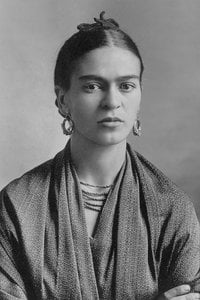
Frida Kahlo

Frida Kahlo

1907 - 1954 , mexico

Kurzinfos

  • Beeinflusste Künstler: ['Diego Rivera']
  • Bemerkenswerte Werke:
    • Die Zwei Fridas
    • Selbstporträt mit Durndornkrone
    • Der gebrochene Säule
    • Henry Ford Krankenhaus
    • Viva la Vida
  • Geburtsdatum: 06. Juli 1907
  • Geburtsort: Coyoacán, Mexiko
  • Künstlerische Richtung: Surrealismus, Realismus
  • Nationalität: Mexikanisch
  • Sterbedatum: 1954
  • Vollständiger Name: Frida Kahlo
  • Von Künstlern Beeinflusst:
    • Mexikanische Volkskunst
    • Europäische Renaissance
Entdecken Sie Kunstwerke, die nach Themen, Stilen und Merkmalen sortiert sind.