


Giclée- oder Leinwanddruck in Museumsqualität mit schneller Produktion und flexiblen Veredelungsoptionen. ( Handgemalte Reproduktion bestellen Bild kaufen)





























Wählen Sie aus unseren vordefinierten Formaten, die den ursprünglichen Proportionen des Kunstwerks entsprechen.

Sie können Ihre eigenen Maße eingeben, um ein bestimmtes Format oder einen speziellen Platz einzupassen. Wenn das von Ihnen gewählte Format nicht den Proportionen des Originalbildes entspricht, werden wir das Kunstwerk entweder beschneiden oder das Bild mit einem gespiegelten oder einfarbigen Rand erweitern. Ein digitaler Entwurf wird Ihnen zur Genehmigung zugesandt, bevor die Produktion beginnt.
Bitte beachten Sie, dass die Vorschau auf dem Bildschirm nicht den tatsächlichen Zuschnitt oder die Erweiterung widerspiegelt. Nur der Entwurf zeigt die endgültige Komposition präzise an.
Obwohl Sondermaße verfügbar sind, empfehlen wir die Auswahl eines Maßes aus der vordefinierten Liste, um die ursprünglichen Proportionen zu bewahren.
Weltweiter Versand () innerhalb von 2 Wochen statt der üblichen 4/5 Wochen. (6 September)


Ti-Tree Glade
Format der Reproduktion
In the quiet heart of Frederick McCubbin’s "Ti-Tree Glade," time seems to decelerate, inviting the viewer into a sanctuary of light and shadow. Completed around 1910, this masterpiece serves as a luminous window into the soul of Australian Impressionism. The painting captures more than just a grove of eucalyptus trees; it distills the very essence of the Heidelberg School’s mission—to find profound beauty within the rugged, often overlooked textures of the Victorian bushland. As sunlight filters through a canopy of golden and verdant leaves, the scene unfolds with a serene stillness that feels both intimate and eternal. The composition is masterfully balanced, using atmospheric perspective to blur distant foliage, which creates an expansive sense of depth that draws the eye deep into the sun-drenched glade.
The presence of life within this tranquil landscape adds a delicate layer of movement to the stillness. Two birds, perched and in flight, punctuate the greenery, acting as small, vibrant reminders of the ecosystem's vitality. For the collector or interior designer, this piece offers a sense of organic tranquility, making it an ideal focal point for spaces designed for contemplation and peace. The warmth of the palette—dominated by ochres, soft yellows, and deep forest greens—brings a natural, grounding energy to any room, evoking the nostalgic glow of a late afternoon in the wild.
McCubbin’s technical prowess is on full display through his use of broken brushstrokes and layered washes, techniques that allow him to mimic the dappled, flickering light characteristic of the Australian wilderness. Influenced by his exposure to European masters like J.M.W. Turner and the French Impressionists, McCubbin moved away from rigid realism toward a more fluid, emotive style. He employs a technique reminiscent of plein air painting, where the artist works directly from nature to capture fleeting atmospheric effects. This results in a texture that feels alive; the paint itself seems to vibrate with the heat and light of the midday sun.
The artist’s ability to manipulate tonal variations creates a sensory experience for the viewer. One can almost feel the dry warmth of the air and hear the rustle of the eucalyptus leaves. This mastery of color and light elevates the subject matter from a simple landscape to a sophisticated study of light's interaction with the Australian environment. For those seeking a high-quality reproduction, these fine details—the subtle transitions from shadow to brilliance—are what make a hand-painted version of this work so captivating and much more than a mere decoration.
Beyond its aesthetic splendor, "Ti-Tree Glade" carries deep symbolic weight. The ti-tree itself, a hardy and drought-resistant shrub, serves as a metaphor for the resilience and endurance of the Australian spirit. During the era in which McCubbin painted, the bush was often viewed through a lens of struggle and survival; however, McCubbin chose to portray it as a place of solace and quiet majesty. His work helped shape a unique visual language for a young nation, moving away from colonial perspectives to embrace the authentic, rugged beauty of the local landscape.
This painting resonates with a profound emotional depth, offering a sense of connection to the land that is both nostalgic and revitalizing. It captures a moment of quiet melancholy intertwined with the triumph of nature's enduring beauty. Whether displayed in a sophisticated gallery setting or as a centerpiece in a curated home collection, "Ti-Tree Glade" remains an evocative testament to the power of the Australian landscape to inspire awe, reflection, and a deep sense of belonging.

Frederick McCubbin gilt als eine zentrale Figur in der australischen Kunstgeschichte und ist bekannt für seine Beiträge zur Heidelberg School Bewegung und seine eindringlichen Darstellungen des australischen Lebens. Geboren in einer Familie von Bäckern, war sein frühes Leben von vielfältigen Erfahrungen geprägt – vom Arbeiten als Anwaltsgehilfe bis zum Brot austragen –, bevor er sich ganz der Malerei widmete.

1855 - 1917 , Australien

Explore the rich history of landscape art with WahooArt. Discover renowned artists, movements like Impressionism & tonalism, and expert guidance for collecting timeless pieces. Find your perfect serene escape today!

Explore the captivating world of 19th-century landscape painting! Discover renowned artists like Friedrich & Monet, key movements, and find the perfect artwork to bring nature's serenity into your home. Expert insights at WahooArt.

Explore the rich history of landscape art with WahooArt. Discover renowned artists, movements like Impressionism & Romanticism, and expert guidance for collecting timeless pieces. Find your perfect serene escape today!

Explore the luminous beauty of American Impressionism and the Hudson River School. Discover a curated journey through light, landscape, and history, celebrating the enduring legacy of masters through exquisite, hand-painted oil reproductions for the discerning art lover.
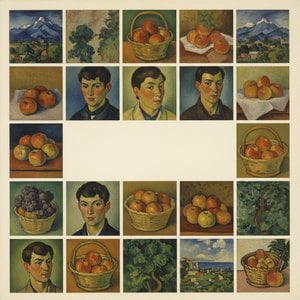
Entdecken Sie die 25 Meisterwerke von Paul Cézanne! Tauchen Sie ein in die Welt des Impressionismus und Postimpressionismus. Erfahren Sie mehr über seine Stillleben, Landschaften & berühmten Gemälde – jetzt hochwertige Kunstdrucke auf WahooArt.com.

 Vorschau anzeigen
 Versenden
 Teilen
 Details anzeigen

 Herunterladen
 Ähnliche Objekte
 Röntgenaufnahme
 Diashow


 Weiterlesen







 Die Glasoption ist nur für Größen unter 110 cm verfügbar.


