In echtem Maßstab anzeigen In AR an der Wand sehen Zum Druck wechseln Zum digitalen Bild wechseln Versenden als Grußkarte
Details anzeigen Leitfaden Zu Favoriten hinzufügen Herunterladen Ähnliche Objekte Röntgenaufnahme Diashow Besucherstatistiken

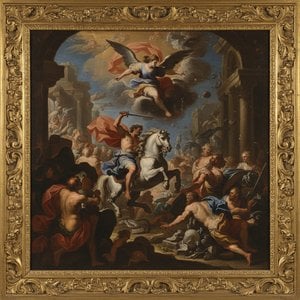
Acis, Galatea, and Polyphemus

François Perrier's "Acis, Galatea, and Polyphemus" (1645) is a dramatic Baroque masterpiece depicting a mythological scene of love, loss, and revenge. Explore the rich details and symbolism in this iconic painting.

Pablo Picassos 'Francoise sitzt in einem blauen Kleid' (1949). Ein faszinierendes Beispiel des Naiven Kunststils mit markanten Farben und einer einzigartigen Perspektive.

Handgefertigte Ölreproduktion

Handgemaltes Ölgemälde auf Leinwand in Ihrer Wunschgröße und mit Rahmen, auf Bestellung von unseren Künstlern angefertigt. ( Zum Druck wechseln Zum digitalen Bild wechseln)

P118B $10
P118H $10
P118W $10
P438Z $10
P508JH $12
P508YH $12
P805H $10
P805Z $10
P919BZ $10
P919G $10
P919XJ $10
P959ZH $10
P968JZ $12
W106C $8
W218G $10
W218JH $8
W218Y $10
W307PJ $10
W316G $10
W316PJ $8
W316Y $10
W398PJ $8
W4111J $10
W500HY $15
W500JH $15
W692G $12
W849H $8
W940BG $15
W953PJ $8

Standardformat
individuell anpassbar
CM
INCH

Wählen Sie aus unseren vordefinierten Formaten, die den ursprünglichen Proportionen des Kunstwerks entsprechen.

Breite
Höhe

Sie können Ihre eigenen Maße eingeben, um einen bestimmten Rahmen oder Platz auszufüllen. Wenn die gewählte Größe nicht den Proportionen des Originalbildes entspricht, werden wir das Kunstwerk entweder beschneiden oder das Gemälde durch zusätzliche, handgemalte Elemente erweitern. Ein digitales Mockup wird Ihnen zur Genehmigung zugesandt, bevor die Produktion beginnt.
Bitte beachten Sie, dass die Bildschirmvorschau nicht die tatsächliche Beschneidung oder Erweiterung widerspiegelt. Nur das Mockup zeigt die endgültige Komposition exakt an.
Obwohl Sondermaße verfügbar sind, empfehlen wir, eine Größe aus der vordefinierten Liste zu wählen, um die ursprünglichen Proportionen beizubehalten.

Beispiele für Anpassungsmöglichkeiten: Gesicht durch Kundenfoto ersetzen; Haustier hinzufügen (z. B. Katze durch Hund ersetzen); eine versteckte Nachricht im Hintergrund einfügen; Hintergrundlandschaft oder -elemente ändern.
Nach der Bestellung wird das WahooArt.com-Team dem Kunden Anweisungen per E-Mail zusenden und eine Mockup-Vorschau bereitstellen.

Weltweiter Versand () in nur 3 bis 4 Wochen statt der üblichen 5 Wochen. (23 September). Keine Kompromisse bei der Qualität.

why_choose_icon
Kostenloser weltweiter Expressversand
why_choose_icon
Hochwertige Leinenleinwand
why_choose_icon
Vollständiger Versicherungsschutz beim Versand
why_choose_icon
Zollgebühren-Rückerstattungsgarantie
why_choose_icon
Garantie für exakte Farbtreue
why_choose_icon
100-tägiges Rückgaberecht (nur bei Mängeln)
why_choose_icon
100% Geld-zurück-Garantie
why_choose_icon
Angebot für Mengenrabatt

Gesamtpreis

$ 272

reproduction

Acis, Galatea, and Polyphemus

Reproduktionsmedium

Format der Reproduktion

-

Gesamtpreis

$ 272

Kurzübersicht

  • Influences: Roman Baroque
  • Year: 1645
  • Medium: Oil on canvas
  • Artist: François Perrier
  • Location: Musée du Louvre, Paris
  • Style: Baroque

The Dramatic Narrative of François Perrier’s “Acis, Galatea, and Polyphemus”

François Perrier's "Acis, Galatea, and Polyphemus," painted in 1645, isn’t merely a depiction of a classical myth; it’s a visceral plunge into the heart of Baroque drama. This monumental canvas, measuring nearly four by six feet, immediately commands attention with its dynamic composition and intensely emotional palette. Perrier masterfully transports the audience to a rugged, storm-wracked landscape – a crucial element that elevates the scene beyond a simple mythological illustration. The rocky terrain, rendered with meticulous detail, suggests both vulnerability and resilience, mirroring the precarious fate of Acis and the looming threat posed by the monstrous Polyphemus.

The central figures—Acis, lying tragically at Galatea’s feet; Galatea herself, radiating a poignant blend of grief and protective tenderness; and the towering, enraged Polyphemus—are sculpted with an almost sculptural quality. Perrier's skill lies not just in capturing their individual forms but in conveying their psychological states through subtle shifts in expression and gesture. Note particularly the downward gaze of Polyphemus, laden with remorse and a hint of bewildered rage, contrasting sharply with Galatea’s sorrowful yet resolute posture. The artist’s use of chiaroscuro—the dramatic interplay of light and shadow—further intensifies this emotional impact, drawing our eyes to the focal points of the scene while simultaneously shrouding the background in an atmosphere of foreboding.

Baroque Grandeur: Style, Technique, and Influence

“Acis, Galatea, and Polyphemus” is a quintessential example of the Roman Baroque style, deeply influenced by the works of artists like Guido Reni and Carlo Saraceni. Perrier’s approach aligns with the period's emphasis on theatricality, emotional intensity, and dramatic movement. The painting showcases a remarkable mastery of technique—particularly in his handling of color and texture. He employs rich, saturated hues – deep reds, blues, and greens – to create a sense of opulent drama, while simultaneously utilizing subtle gradations of tone to model the figures with astonishing realism. The brushwork is loose and expressive, contributing to the overall dynamism of the composition. It’s important to note that Perrier was not just a painter; he was also a celebrated printmaker, and his meticulous study of antique sculptures profoundly shaped his artistic vision—a legacy evident in the idealized forms and classical references throughout this work.

Furthermore, Perrier's work represents a pivotal moment in art history. He played a crucial role in introducing the grandeur and dynamism of the Roman Baroque to Parisian ateliers, effectively bridging the gap between Italian Renaissance ideals and French artistic sensibilities. His groundbreaking series of prints after antique sculptures had an immeasurable impact on European art production for decades to come, influencing generations of artists with his meticulous draftsmanship and profound understanding of classical form.

Mythological Symbolism and Emotional Resonance

Beyond its aesthetic merits, “Acis, Galatea, and Polyphemus” is rich in mythological symbolism. The story itself—a tale of love, betrayal, and revenge—resonates with universal themes of passion, loss, and the destructive consequences of unchecked rage. Acis, a mortal man, represents vulnerability and mortality, while Galatea embodies grace, compassion, and enduring strength. Polyphemus, the one-eyed giant, symbolizes primal instinct, uncontrolled aggression, and the dangers of isolation. The scene’s dramatic climax—Polyphemus's brutal act of violence against Acis—serves as a potent reminder of the fragility of human life and the ever-present threat of darkness.

The painting’s emotional impact is undeniable. It evokes a sense of profound sorrow, mingled with admiration for Galatea’s unwavering devotion and a chilling awareness of Polyphemus's monstrous nature. Perrier skillfully captures the psychological turmoil experienced by all three characters, creating an artwork that continues to resonate with viewers centuries after its creation. The scene’s inherent drama—the juxtaposition of beauty and brutality, tenderness and rage—makes it a timeless masterpiece of Baroque art.

A Legacy Enduring: Reproduction and Appreciation

Reproductions of “Acis, Galatea, and Polyphemus” offer an accessible way to experience the power and artistry of this remarkable painting. When selecting a reproduction, consider the quality of materials used—a fine-art print on archival paper will ensure that the colors remain vibrant for years to come. This iconic scene continues to inspire interior designers seeking to infuse their spaces with drama and emotion, while art collectors appreciate its historical significance and artistic merit. The painting’s enduring appeal lies in its ability to transport us to another time and place—a world of mythic grandeur, intense emotions, and unforgettable imagery.


Biografie des Künstlers

Der Architekt des römischen Barocks in Frankreich

François Perrier gilt als eine Schlüsselfigur der französischen Kunstlandschaft des siebzehnten Jahrhunderts – ein Mann, dem die atemberaubende Pracht und die dynamische Energie des römischen Barocks in das Herz der Pariser Ateliers gebracht wurden. Geboren in Pontarlier, waren seine frühen Jahre von den intellektuellen Strömungen des humanistischen Gelehrtenwesens und der Wiederentdeckung der klassischen Antike geprägt. Seine formative Ausbildung innerhalb der Schule von Fontainebleau, wo er die akribischen stilistischen Lehren von Künstlern wie Francesco Francia und Jean Fouquet in sich aufnahm, verlieh ihm ein Fundament in manieristischer Präzision. Diese frühe Auseinandersetzung mit feinsten Details und ausdrucksstarker Pigmentierung sollte später als das wesentliche Gerüst dienen, auf dem er seinen weitläufigeren, dramatischen Stil errichtete.

Eine römische Pilgerreise und stilistische Evolution

Die wahre Metamorphose von Perriers Kunstfertigkeit vollzog sich während seiner transformativen Reise nach Rom zwischen 1620 und 1625. Diese Pilgerreise ermöglichte ihm die Begegnung mit dem Epizentrum künstlerischer Innovation, wo der Einfluss von Giovanni Lanfranco zu einem tiefgreifenden Katalysator für seine Entwicklung wurde. Durch das Verinnerlichen der Prinzipien des akademischen barocken Klassizismus begann Perrier, sich von der Starrheit des Manierismus zu einem Ansatz zu bewegen, der durch idealisierte Formen und harmonische, aber dennoch zutiefst emotionale Kompositionen definiert war. Sein Werk begann mit jener Theatralik zu pulsieren, die für diese Ära charakteristisch war, wobei er das Chiaroscuro – das dramatische Zusammenspiel von Licht und Schatten – nutzte, um Figuren zu modellieren und die psychologische Spannung innerhalb seiner Erzählungen zu intensivieren.

Das bleibende Erbe von Linie und Licht

Während seine Leinwände die Fantasie einfingen, bleibt Perriers Vermächtnis als akribischer Zeichner und Kupferstecher gleichermaßen monumental. Er besaß die einzigartige Fähigkeit, das Gewicht und die Anmut antiker Skulpturen in das Medium des Drucks zu übertragen und bahnbrechende Sammlungen zu schaffen, die Generationen europäischer Künstler als visuelle Repertorien dienten. Seine Drucke nach klassischen Vorbildern bildeten eine wesentliche Brücke zwischen der Antike und der aufstrebenden Barockbewegung.

Diese Meisterschaft sowohl des Pinsels als auch des Grabstichels zeigt sich vielleicht am lebendigsten in seinen mythologischen Werken, wie etwa „Acis, Galatea und Polyphem“ (1645). In diesem Meisterwerk gelingt Perrier ein viszeraler Eintauchen in das Drama, in dem raue Landschaften und intensiv emotionale Paletten zusammenfinden, um eine Geschichte von Verletzlichkeit und drohender Gefahr zu erzählen. Durch seine doppelte Meisterschaft in der Malerei und der Druckgrafik stellte Perrier sicher, dass der Geist des römischen Barocks für immer seine Spuren in der französischen Seele hinterlassen würde.
François Perrier

François Perrier

1594 - 1649 , Frankreich

Eckdaten zum Künstler

  • Artistic Movement Or Style: Roman Barock
  • Artists Or Movements Influenced By This Artist: ['Simon Vouet']
  • Artists Who Influenced This Artist: ['Giovanni Lanfranco']
  • Date Of Birth: 1594 Pontarlier Frankreich
  • Date Of Death: 1649
  • Full Name: François Perrier
  • Nationality: Französisch
  • Notable Artworks:
    • Aeneas und seine Gefährten kämpfen gegen die Harpyien
    • Das Opfer Iphigenie
  • Place Of Birth: Pontarlier Frankreich