Kostenlose Kunstberatung

x
Gemälde kaufen Gemälde kaufenBild kaufen Bild kaufen VersendenVersenden
DetailsDetails Zu Favoriten hinzufügen Zu Favoriten hinzufügen HerunterladenHerunterladen Ähnliche ObjekteÄhnliche Objekte X-RayX-Ray Diashow anzeigenDiashow anzeigen

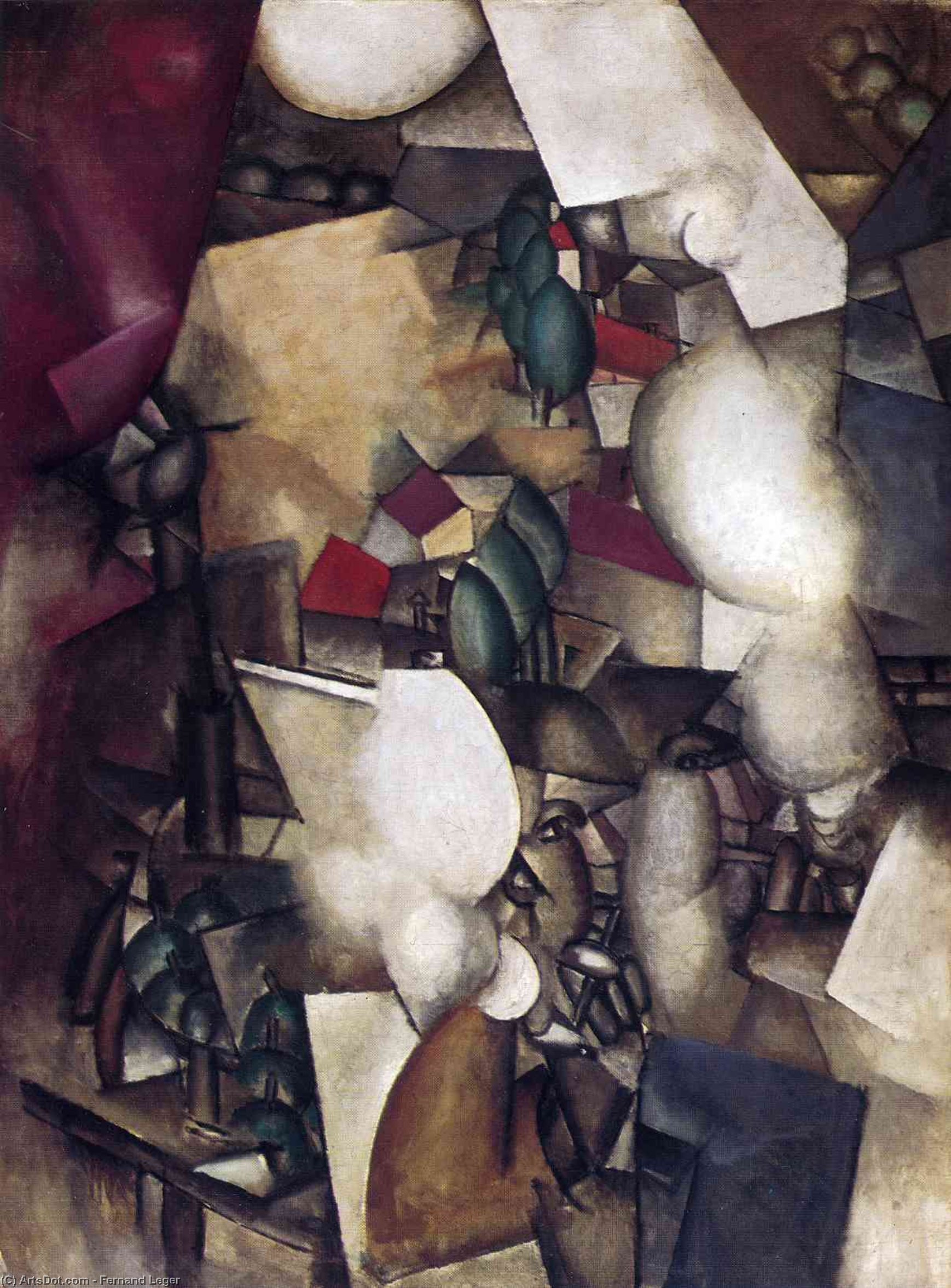
untitled (2966)

This striking cubist painting by Fernand Léger depicts a large white bird amidst oranges and scattered smaller birds, embodying the artist's exploration of machine age dynamism within an abstract visual language.

Erkunden Sie die Kunst von Fernand Léger (1881-1955), einem Pionier des Kubismus und der 'Tubism'. Entdecken Sie seine mutigen, figurativen Gemälde, die das moderne Leben, Maschinen und die menschliche Form feiern. Ein Vorläufer des Pop Art!

Giclée / Kunstdruck

Giclée- oder Leinwanddruck in Museumsqualität mit schneller Produktion und flexiblen Veredelungsoptionen.

P118B $10
P118H $10
P118W $10
P438Z $10
P508JH $12
P508YH $12
P805H $10
P805Z $10
P919BZ $10
P919G $10
P919XJ $10
P959ZH $10
P968JZ $12
W106C $8
W218G $10
W218JH $8
W218Y $10
W307PJ $10
W316G $10
W316PJ $8
W316Y $10
W398PJ $8
W4111J $10
W500HY $15
W500JH $15
W692G $12
W849H $8
W940BG $15
W953PJ $8

Standard
custom
CM
INCH

Wählen Sie aus unseren vordefinierten Größen, die den ursprünglichen Proportionen des Kunstwerks entsprechen.

Breite
Höhe

Sie können Ihre eigenen Maße eingeben, um ein bestimmtes Format oder einen speziellen Platz einzupassen. Wenn das von Ihnen gewählte Format nicht den Proportionen des Originalbildes entspricht, werden wir das Kunstwerk entweder beschneiden oder das Bild mit einem gespiegelten oder einfarbigen Rand erweitern. Ein digitaler Entwurf wird Ihnen zur Genehmigung zugesandt, bevor die Produktion beginnt.
Bitte beachten Sie, dass die Vorschau auf dem Bildschirm nicht den tatsächlichen Zuschnitt oder die Erweiterung widerspiegelt. Nur der Entwurf zeigt die endgültige Komposition präzise an.
Obwohl Sondermaße verfügbar sind, empfehlen wir die Auswahl eines Maßes aus der vordefinierten Liste, um die ursprünglichen Proportionen zu bewahren.

Weltweiter Versand () innerhalb von 2 Wochen statt der üblichen 4/5 Wochen. (2 Juli)

why_choose_icon
Kostenloser weltweiter Expressversand
why_choose_icon
Hochwertige Leinenleinwand
why_choose_icon
Umfassender Versicherungsschutz beim Versand
why_choose_icon
Zollsteuer-Rückerstattungsgarantie
why_choose_icon
Garantie für echte Farbtreue
why_choose_icon
60-Tage-Rückgaberecht (nur bei Mängeln)
why_choose_icon
100% Geld-zurück-Garantie
why_choose_icon
Mengenrabatt verfügbar

Gesamtpreis

-

reproduction

untitled (2966)

Giclée / Kunstdruck

Größe der Reproduktion

-

Endpreis aller Optionen

-

Eckdaten auf einen Blick

  • Subject or theme: Industrial progress, mechanization
  • Medium: Oil paint on canvas
  • Movement: Cubism
  • Artistic style: Cubist
  • Year: c. 1930
  • Notable elements or techniques: Impasto, geometric shapes

Kunst-Quiz

Jede Frage hat nur eine richtige Antwort.

Frage 1:
What dominant artistic movement is Fernand Léger associated with for this piece?
Frage 2:
What theme did Léger often use in his work to reflect the modern world?
Frage 3:
According to the description, what technique did Léger use that created palpable textural surfaces?
Frage 4:
What colors are predominantly mentioned in the visual language of this artwork?
Frage 5:
What element in the photo description is highlighted as a symbol of liberation amidst rigid structures?

Beschreibung des Sammlerstücks

A Pioneer of Cubism: Exploring Fernand Léger’s “untitled (2966)”

Fernand Léger's "untitled (2966)" isn’t merely a painting; it’s a crystallized moment in the burgeoning fascination with industrial progress and a daring assertion that abstraction could simultaneously convey both visual dynamism and tangible reality. Created around 1930, during the height of Léger’s cubist explorations—a movement he championed alongside Picasso and Braque—the artwork embodies the spirit of its time while retaining an enduring artistic power that continues to resonate with audiences today.

The Visual Language of Mechanization

At first glance, “untitled (2966)” assaults the eye with a riot of geometric shapes – predominantly angular blocks of white, gray, and orange—that seem to defy conventional perspective. Léger deliberately eschewed traditional representation, opting instead for fragmented forms that mimic the repetitive patterns of factory machinery. This stylistic choice wasn’t simply an aesthetic preference; it was a conscious effort to communicate the transformative influence of industrialization on human experience. The dominant white bird, positioned centrally against a backdrop of fractured orange hues, serves as both a visual anchor and a symbol of liberation—a soaring creature amidst a landscape dominated by rigid structures representing constraint.

Technique and Material Considerations

Léger’s technique involved applying thick layers of paint – often referred to as “impasto”—to create palpable textural surfaces that capture the physicality of his subject matter. He utilized oil paints mixed with pigments like cadmium orange and titanium white, meticulously building up color and form through repeated brushstrokes. This deliberate layering wasn't merely about achieving visual richness; it was integral to Léger’s artistic philosophy—a belief that painting should engage all five senses, conveying not only what is seen but also what is felt. The rough surface of the canvas itself contributes to the artwork’s emotional impact, mirroring the gritty realities of industrial life and amplifying the sense of movement conveyed by the fractured shapes.

Historical Context: Léger's Engagement with Modernity

The painting emerged from a broader cultural milieu characterized by optimism regarding technological advancement and anxieties about societal upheaval. Léger actively participated in debates surrounding the role of art in confronting these challenges, arguing that artists had a responsibility to engage critically with the forces shaping their world. He saw cubism as a powerful tool for dismantling illusionistic conventions and revealing the underlying structure of reality—a perspective reflected in his unwavering commitment to portraying industrial landscapes and figures with uncompromising honesty. The artwork stands alongside other works from Léger’s oeuvre that grapple directly with themes of urbanization, labor, and the human condition amidst rapid technological change.

Symbolism Beyond Geometry: Flight and Transformation

Beyond its geometric formalism, “untitled (2966)” is laden with symbolic significance. The white bird represents aspiration, transcendence, and a yearning for freedom—a visual counterpoint to the oppressive geometries surrounding it. Its upward trajectory suggests an escape from confinement and embodies Léger’s conviction that art could inspire hope amidst uncertainty. Furthermore, the orange hues – reminiscent of factory lamps and signaling equipment – symbolize illumination and transformation, mirroring Léger's belief in the transformative potential of artistic expression.

Emotional Resonance: A Visionary Expression

Ultimately, “untitled (2966)” transcends mere visual representation; it communicates a profound emotional resonance that speaks to the anxieties and aspirations inherent in the modern age. The artwork’s jarring juxtaposition of form and color compels viewers to confront uncomfortable truths about industrial society while simultaneously offering a glimpse of liberation—a testament to Léger's enduring artistic vision and his unwavering belief in the power of art to provoke thought and inspire emotion. It remains an unforgettable image, capturing the spirit of a pivotal moment in artistic history and continuing to captivate audiences with its bold aesthetic and symbolic depth.

Ähnliche Kunstwerke


Biografie des Künstlers

frühes Leben und Ausbildung

Fernand Légér, ein französischer Maler, Bildhauer und Filmemacher, wurde am 4. Februar 1881 in Argentan, Orne, Niedergermanien geboren. Sein Vater züchtete Rinder, und Légér erhielt zunächst eine Ausbildung als Architekt von 1897 bis 1899. Er zog dann im Jahr 1900 nach Paris und unterstützte sich dort als Architektenzeichner.

Künstlerische Entwicklung

Légers frühe Werke wurden vom Impressionismus beeinflusst, wie in Le Jardin de ma Mère (Mein Muttergarten) (1905) zu sehen ist. Nach dem Besuch der Schule für dekorative Künste und der Académie Julian begann er ab seinem 25. Lebensjahr ernsthaft als Maler zu arbeiten. Sein Stil entwickelte sich zu einer persönlichen Form des Kubismus, der von Kritikern als "Tubism" bezeichnet wurde, da er sich auf zylindrische Formen konzentrierte.

Kubismus und die Puteaux-Gruppe

Im Jahr 1910 stellte Légér im Salon d’Automne zusammen mit Jean Metzinger und Henri Le Fauconnier aus. Er schloss sich der Puteaux-Gruppe an, auch bekannt als die Section d’Or (die Goldene Proportion), zusammen mit anderen Künstlern wie Francis Picabia und Marcel Duchamp.

Krieg und seine Auswirkungen auf Légers Werk

Légers Erfahrungen im Ersten Weltkrieg hatten einen erheblichen Einfluss auf sein Werk. Während seiner Zeit an der Front produzierte er Skizzen von Artilleriegeschützen, Flugzeugen und Soldaten. Sein Gemälde Soldat mit Pfeife (1916) spiegelt diese Zeit wider.

Spätere Werke und Vermächtnis

Légers Nachkriegszeitliche Arbeiten, die von glatten, maschinellen Formen geprägt waren, verknüpften ihn mit der Tradition der französischen figurativen Malerei. Seine "animierten Landschaften" von 1921 zeigten Figuren und Tiere in harmonischen, stromlinienförmigen Formen. Schlüsselwerke: Museen, die Légers Werk ausstellen:
Fernand Léger

Fernand Léger

1881 - 1955 , Frankreich

Kurzinfos

  • Beeinflusste Kunstrichtungen: ['Pop Art']
  • Beeinflusste Künstler: ['Paul Cézanne']
  • Bemerkenswerte Werke:
    • Die Sitzende Frau
    • Maschinenelement
    • Der Große Umzug
    • Die Stadt
  • Geburtsdatum: 04. Februar 1881
  • Geburtsort: Argentan, Frankreich
  • Künstlerische Richtung: Kubismus, Tubismus
  • Nationalität: Französisch
  • Sterbedatum: 1955
  • Vollständiger Name: Fernand Léger
  • Von Kunstbewegungen Beeinflusst: ['Cézannismus']
  • Von Künstlern Beeinflusst: ['Impressionismus']
Entdecken Sie Kunstwerke, die nach Themen, Stilen und Merkmalen sortiert sind.