Vorschau anzeigen In AR ansehen Handgemalte Reproduktion bestellen Zum digitalen Bild wechseln Versenden
Details anzeigen Leitfaden Zu Favoriten hinzufügen Herunterladen Ähnliche Objekte Röntgenaufnahme Diashow Statistiken

Andromeda - -

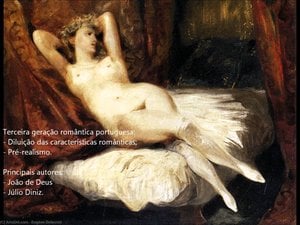
"Andromeda" von Eugène Delacroix: Ein Meisterwerk des französischen Romantikums! Diese beeindruckende Ölmalerei zeigt eine griechische Mythologie und wird im Museum of Fine Arts Houston ausgestellt.

Entdecken Sie Eugène Delacroix, den führenden französischen Romantiker! Erleben Sie dramatische Szenen wie "Die Freiheit führt das Volk" und exotische Themen in leuchtenden Farben. Ein Pionier der Kunst des 19. Jahrhunderts.

Giclée / Kunstdruck

Giclée- oder Leinwanddruck in Museumsqualität mit schneller Produktion und flexiblen Veredelungsoptionen. ( Handgemalte Reproduktion bestellen Zum digitalen Bild wechseln)

Corner sample of the P118B picture frame: formgepresstes Polystyrol, 5 cm wide and 3 cm thick
P118B €10
Corner sample of the P118H picture frame: formgepresstes Polystyrol, 5 cm wide and 3 cm thick
P118H €10
Corner sample of the P118W picture frame: formgepresstes Polystyrol, 5 cm wide and 3 cm thick
P118W €10
Corner sample of the P438Z picture frame: formgepresstes Polystyrol, 5.5 cm wide and 3.5 cm thick
P438Z €10
Corner sample of the P508JH picture frame: formgepresstes Polystyrol, 7 cm wide and 3.5 cm thick
P508JH €12
Corner sample of the P508YH picture frame: formgepresstes Polystyrol, 7 cm wide and 3.5 cm thick
P508YH €12
Corner sample of the P805H picture frame: formgepresstes Polystyrol, 5 cm wide and 3.5 cm thick
P805H €10
Corner sample of the P805Z picture frame: formgepresstes Polystyrol, 5 cm wide and 3.5 cm thick
P805Z €10
Corner sample of the P919BZ picture frame: formgepresstes Polystyrol, 7 cm wide and 3.5 cm thick
P919BZ €10
Corner sample of the P919G picture frame: formgepresstes Polystyrol, 7 cm wide and 3.5 cm thick
P919G €10
Corner sample of the P919XJ picture frame: formgepresstes Polystyrol, 7 cm wide and 3.5 cm thick
P919XJ €10
Corner sample of the P959ZH picture frame: formgepresstes Polystyrol, 5 cm wide and 3 cm thick
P959ZH €10
Corner sample of the P968JZ picture frame: formgepresstes Polystyrol, 6 cm wide and 4 cm thick
P968JZ €12
Corner sample of the W106C picture frame: Massivholz, 5 cm wide and 3 cm thick
W106C €8
Corner sample of the W218G picture frame: Massivholz, 5 cm wide and 3 cm thick
W218G €10
Corner sample of the W218JH picture frame: Massivholz, 5 cm wide and 3 cm thick
W218JH €8
Corner sample of the W218Y picture frame: Massivholz, 5 cm wide and 3 cm thick
W218Y €10
Corner sample of the W307PJ picture frame: Massivholz, 6 cm wide and 3 cm thick
W307PJ €10
Corner sample of the W316G picture frame: Massivholz, 6 cm wide and 3 cm thick
W316G €10
Corner sample of the W316PJ picture frame: Massivholz, 6 cm wide and 3 cm thick
W316PJ €8
Corner sample of the W316Y picture frame: Massivholz, 6 cm wide and 3 cm thick
W316Y €10
Corner sample of the W398PJ picture frame: Massivholz, 5 cm wide and 3 cm thick
W398PJ €8
Corner sample of the W4111J picture frame: Massivholz, 6.5 cm wide and 3.5 cm thick
W4111J €10
Corner sample of the W500HY picture frame: Massivholz, 7 cm wide and 5 cm thick
W500HY €15
Corner sample of the W500JH picture frame: Massivholz, 7 cm wide and 5 cm thick
W500JH €15
Corner sample of the W692G picture frame: Massivholz, 8 cm wide and 4 cm thick
W692G €12
Corner sample of the W849H picture frame: Massivholz, 5 cm wide and 3 cm thick
W849H €8
Corner sample of the W940BG picture frame: Massivholz, 7.5 cm wide and 4.5 cm thick
W940BG €15
Corner sample of the W953PJ picture frame: Massivholz, 6 cm wide and 3.5 cm thick
W953PJ €8

Standardformat
individuell anpassbar
CM
INCH

Wählen Sie aus unseren vordefinierten Formaten, die den ursprünglichen Proportionen des Kunstwerks entsprechen.

Breite
Höhe

Geben Sie die benötigte Breite und Höhe an, damit der Druck perfekt in Ihren Rahmen oder an Ihre Wand passt. Ein Druck kann nur beschnitten, aber niemals größer als das Originalbild angefertigt werden; daher verliert ein Format mit anderen Proportionen einen Teil des Bildes. Wir senden Ihnen ein digitales Mockup zur Freigabe, bevor wir den Druck ausführen. Das auf dieser Seite gezeigte Bild zeigt nicht den tatsächlichen Beschnitt – dies ist nur im Mockup ersichtlich.

Weltweiter Versand () innerhalb von 2 Wochen statt der üblichen 4/5 Wochen. (26 Oktober)

Kostenloser weltweiter Expressversand
Hochwertige Leinenleinwand
Umfassender Versicherungsschutz beim Versand
Zollgebühren-Rückerstattungsgarantie
Garantie für exakte Farbtreue
100 Tage Rückgaberecht (nur bei Mängeln)
100% Geld-zurück-Garantie
Mengenrabatt verfügbar

Gesamtpreis

€ 60

Andromeda - -

Giclée / Kunstdruck

Format der Reproduktion

-

Endpreis

€ 60

Eckdaten

  • Movement: Romantik
  • Title: Andromeda
  • Artist: Eugène Delacroix
  • Influences:
    • Rubens
    • Titian
  • Notable elements or techniques: Dynamische Lichtführung und Schattenzeichnung
  • Subject or theme: Mythologie (Andromeda)

Kunst-Quiz

Jede Frage hat nur eine richtige Antwort.

Frage 1:
¿Quién pintó "Andromeda"?
Frage 2:
¿En qué año fue creada la obra maestra?
Frage 3:
¿Dónde se encuentra actualmente "Andromeda"?
Frage 4:
¿Qué movimiento artístico caracteriza a esta pintura?
Frage 5:
¿Cuál es el tema principal de la obra?

Andromeda – A Symphony of Color and Sorrow

Delacroix’s “Andromeda,” completed in 1852, transcends mere depiction; it embodies the very spirit of Romanticism. More than just a painting, it's an immersive experience—a journey into mythic grandeur interwoven with palpable emotion. Situated within the Louvre’s collection, this monumental oil on canvas (33 x 25 cm) continues to captivate viewers with its dramatic composition and masterful execution. It’s not simply about portraying a story; it’s about conveying the profound psychological impact of that narrative—a feat achieved through Delacroix's unparalleled command of color and light.

The Mythic Narrative: Perseus and Andromeda

The painting draws inspiration from Greek mythology, recounting the tale of Andromeda, daughter of Cepheus and Cassiopeia. Her vanity led to Cassiopeia’s boastful claims about her beauty, incurring Poseidon’s wrath who unleashed a monstrous sea serpent upon their kingdom, threatening Andromeda's life. Perseus, son of Danaë and Polydectes, bravely intervened, slaying the serpent with Medusa’s head—a symbol of terror and transformation—and rescuing Andromeda from certain doom. Delacroix skillfully captures this pivotal moment, portraying Andromeda suspended in mid-air, awaiting Perseus’ arrival, embodying vulnerability and despair amidst breathtaking beauty.

Romantic Style: Emotion and Luminosity

Delacroix's artistic style is firmly rooted in Romanticism, prioritizing feeling over rational observation. Unlike the polished neoclassicism of his contemporaries, Delacroix embraced spontaneity and expressive brushstrokes—a technique evident throughout “Andromeda.” The artist’s palette explodes with vibrant hues—deep reds dominate Andromeda’s robe, contrasting sharply with the cool blues and greens of the rocky landscape. This juxtaposition isn't accidental; it serves to heighten the emotional intensity of the scene, mirroring the turbulent emotions experienced by Andromeda and Perseus alike. Light plays a crucial role, illuminating Andromeda’s skin with an ethereal glow—a deliberate choice that underscores her purity and vulnerability.

Technical Mastery: Delacroix’s Brushstrokes

Delacroix's meticulous technique demonstrates his mastery of oil painting. Thick impasto strokes create textural richness, conveying the ruggedness of the rock formation and the dynamism of Andromeda’s pose. The artist skillfully blends colors to achieve subtle gradations—particularly noticeable in the depiction of Andromeda’s drapery—adding depth and realism to the composition. Furthermore, Delacroix's masterful use of chiaroscuro – the interplay between light and shadow – emphasizes Andromeda’s form and contributes significantly to the painting’s dramatic effect. This meticulous attention to detail elevates “Andromeda” beyond mere representation, transforming it into a testament to artistic skill and vision.

A Legacy of Emotion: Why "Andromeda" Remains Powerful

“Andromeda” stands as an enduring symbol of Romantic idealism—a celebration of heroism, beauty, and the sublime. It encapsulates the movement’s fascination with nature's grandeur and its belief in the transformative power of emotion. The painting continues to resonate with audiences today because it speaks to universal themes of courage, sacrifice, and redemption. Its evocative imagery and masterful execution solidify Delacroix’s place as one of the most influential artists of his era—a painter who dared to prioritize feeling above all else, leaving behind a masterpiece that transcends time and captivates the imagination.

Fragen & Antworten

Welche Technik und welche Maße hat "Andromeda - -" von Eugène Delacroix?

"Andromeda - -" von Eugène Delacroix wurde in Öl auf Leinwand ausgeführt und hat die Maße 33 x 25 cm.

Welche Druckgröße und welches Format werden für „Andromeda - -“ empfohlen?

Für „Andromeda - -“ wird ein Druckformat von Kleinformat in der Ausrichtung Hochformat empfohlen.

Zählt "Andromeda - -" von Eugène Delacroix zu den begehrten Kunstwerken der Romanticism-Epoche?

Innerhalb der Romanticism-Strömung weist „Andromeda - -“ ein Anerkannt Bekanntheitsniveau auf.


Künstlerbiografie

Ein Pionier der Romantik: Eugène Delacroix

Eugène Delacroix gilt als eine der prägendsten Figuren der französischen Romantik und wurde von Anfang an für seine Führungsrolle innerhalb dieser künstlerischen Bewegung gefeiert. Geboren 1798 in Chantonnay, Frankreich, fand er seinen künstlerischen Weg durch die Beschäftigung mit den Werken großer Meister wie Rubens und den Malern der venezianischen Renaissance – wobei Farbe und Bewegung eine zentrale Rolle spielten und Klarheit von Konturen sowie sorgfältige Modellierung zugunsten eines dynamischen Ausdrucks vernachlässigt wurden. Diese Philosophie prägte sein gesamtes künstlerisches Leben und beeinflusste nachfolgende Generationen von Künstlern nachhaltig.
  • Frühe Jahre und Ausbildung: Delacroix erhielt eine umfassende künstlerische Ausbildung am École Royale Supérieure des Beaux-Arts in Paris, wo er sich intensiv mit klassischen Formen beschäftigte und dennoch einen eigenen Stil entwickelte, der sich durch eine besondere Sensibilität für Farbe und Bewegung auszeichnete.
  • Die ersten Erfolge: Bereits früh beeindruckte Delacroix sein Publikum mit seinen Gemälden und erhielt zahlreiche Aufträge von wohlhabenden Mäzenen und Mitgliedern des französischen Königshauses. Besonders bekannt wurde sein Werk „Die Barque von Dante“, das eine außergewöhnliche technische Virtuosität und eine tiefgründige künstlerische Vision demonstriert.

Der Einfluss der Romantik und die Suche nach neuen Ausdrucksformen

Delacroix war tief beeindruckt von den Ideen der französischen Romantik, insbesondere von deren Betonung von Gefühl und Leidenschaft sowie ihrer Ablehnung der klassischen Regeln und Konventionen. Er sah sich als Aufgabe, neue Wege zu beschreiten und eine künstlerische Sprache zu entwickeln, die die komplexen Emotionen und Erfahrungen des menschlichen Lebens einfangen konnte. Diese Suche nach neuen Ausdrucksformen fand ihren Ausgang in einer umfassenden Beschäftigung mit historischen Ereignissen und literarischen Werken sowie in einer ersten Reise nach Nordafrika.

Nordafrika und die Geburt eines einzigartigen Stil

Die Reise nach Nordafrika im Jahr 1830 markierte einen entscheidenden Wendepunkt für Delacroixs künstlerische Entwicklung. Er ließ sich von der exotischen Landschaft und Kultur dieser Region inspirieren und schuf beeindruckende Gemälde wie „Arabische Pferde im Kampf“ und „Der Tod des Sardanapalus“, die durch ihre lebendige Farbgebung, dynamische Komposition und dramatische Darstellung außergewöhnlich sind. Diese Werke gelten als Schlüssel zum Verständnis seines unverwechselbaren künstlerischen Stils und verkörpern die Essenz der romantischen Kunst.

Die Meisterwerke und ihr Vermächtnis

Delacroix hinterließ ein beeindruckendes Oeuvre, das bis heute weltweit Anerkennung findet. Zu seinen berühmtesten Gemälden zählen „Freiheit führt das Volk an“, eine monumentale Darstellung der Julirevolution von 1830, und „Die Schlacht von Zaragoza“, die eine außergewöhnliche historische Dokumentation darstellt. Seine Werke haben einen tiefgreifenden Einfluss auf die Entwicklung der französischen Kunst des 19. Jahrhunderts ausgeübt und inspirierten zahlreiche Künstler nachfolgender Generationen.

Ein Erbe für die Zukunft

Eugène Delacroix gilt als einer der bedeutendsten Künstler seiner Zeit und sein Werk wird bis heute intensiv studiert und gefeiert. Seine künstlerische Vision und sein außergewöhnlicher Stil haben einen nachhaltigen Eindruck auf die Kunstgeschichte hinterlassen und werden weiterhin von Künstlern weltweit bewundert und nachgeahmt.
Eugène Delacroix

Eugène Delacroix

1798 - 1863 , Frankreich

Kurzinfos

  • Artistic Movement Or Style: Romantik
  • Artists Or Movements Influenced By This Artist:
    • Impressionismus
    • Postimpressionismus
  • Artists Who Influenced This Artist:
    • Rubens
    • Venezianische Renaissance
  • Date Of Birth: 26. April 1798
  • Date Of Death: 13. August 1863
  • Full Name: Eugène Delacroix
  • Nationality: Französisch
  • Notable Artworks:
    • Liberty Leading the People
    • Der Tod des Sardanapales
    • Arabische Pferde im Kampf
  • Place Of Birth: Chantonnay, Frankreich
Entdecken Sie Kunstwerke, die nach Themen, Stilen und Merkmalen sortiert sind.