Vorschau anzeigen In AR ansehen Handgemalte Reproduktion bestellen Zum digitalen Bild wechseln Versenden
Details anzeigen Leitfaden Zu Favoriten hinzufügen Herunterladen Ähnliche Objekte Röntgenaufnahme Diashow Statistiken

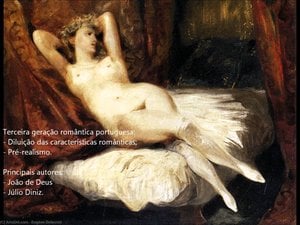
Andromeda

Eugène Delacroix's 'Andromeda': Ein romantisches Meisterwerk! Eine verzaubernde Darstellung der griechischen Mythologie mit dramatischer Farbgebung und emotionaler Tiefe. Entdecken Sie die Schönheit dieser ikonischen Leinwand.

Entdecken Sie Eugène Delacroix, den führenden französischen Romantiker! Erleben Sie dramatische Szenen wie "Die Freiheit führt das Volk" und exotische Themen in leuchtenden Farben. Ein Pionier der Kunst des 19. Jahrhunderts.

Giclée / Kunstdruck

Giclée- oder Leinwanddruck in Museumsqualität mit schneller Produktion und flexiblen Veredelungsoptionen. ( Handgemalte Reproduktion bestellen Zum digitalen Bild wechseln)

Corner sample of the P118B picture frame: formgepresstes Polystyrol, 5 cm wide and 3 cm thick
P118B €10
Corner sample of the P118H picture frame: formgepresstes Polystyrol, 5 cm wide and 3 cm thick
P118H €10
Corner sample of the P118W picture frame: formgepresstes Polystyrol, 5 cm wide and 3 cm thick
P118W €10
Corner sample of the P438Z picture frame: formgepresstes Polystyrol, 5.5 cm wide and 3.5 cm thick
P438Z €10
Corner sample of the P508JH picture frame: formgepresstes Polystyrol, 7 cm wide and 3.5 cm thick
P508JH €12
Corner sample of the P508YH picture frame: formgepresstes Polystyrol, 7 cm wide and 3.5 cm thick
P508YH €12
Corner sample of the P805H picture frame: formgepresstes Polystyrol, 5 cm wide and 3.5 cm thick
P805H €10
Corner sample of the P805Z picture frame: formgepresstes Polystyrol, 5 cm wide and 3.5 cm thick
P805Z €10
Corner sample of the P919BZ picture frame: formgepresstes Polystyrol, 7 cm wide and 3.5 cm thick
P919BZ €10
Corner sample of the P919G picture frame: formgepresstes Polystyrol, 7 cm wide and 3.5 cm thick
P919G €10
Corner sample of the P919XJ picture frame: formgepresstes Polystyrol, 7 cm wide and 3.5 cm thick
P919XJ €10
Corner sample of the P959ZH picture frame: formgepresstes Polystyrol, 5 cm wide and 3 cm thick
P959ZH €10
Corner sample of the P968JZ picture frame: formgepresstes Polystyrol, 6 cm wide and 4 cm thick
P968JZ €12
Corner sample of the W106C picture frame: Massivholz, 5 cm wide and 3 cm thick
W106C €8
Corner sample of the W218G picture frame: Massivholz, 5 cm wide and 3 cm thick
W218G €10
Corner sample of the W218JH picture frame: Massivholz, 5 cm wide and 3 cm thick
W218JH €8
Corner sample of the W218Y picture frame: Massivholz, 5 cm wide and 3 cm thick
W218Y €10
Corner sample of the W307PJ picture frame: Massivholz, 6 cm wide and 3 cm thick
W307PJ €10
Corner sample of the W316G picture frame: Massivholz, 6 cm wide and 3 cm thick
W316G €10
Corner sample of the W316PJ picture frame: Massivholz, 6 cm wide and 3 cm thick
W316PJ €8
Corner sample of the W316Y picture frame: Massivholz, 6 cm wide and 3 cm thick
W316Y €10
Corner sample of the W398PJ picture frame: Massivholz, 5 cm wide and 3 cm thick
W398PJ €8
Corner sample of the W4111J picture frame: Massivholz, 6.5 cm wide and 3.5 cm thick
W4111J €10
Corner sample of the W500HY picture frame: Massivholz, 7 cm wide and 5 cm thick
W500HY €15
Corner sample of the W500JH picture frame: Massivholz, 7 cm wide and 5 cm thick
W500JH €15
Corner sample of the W692G picture frame: Massivholz, 8 cm wide and 4 cm thick
W692G €12
Corner sample of the W849H picture frame: Massivholz, 5 cm wide and 3 cm thick
W849H €8
Corner sample of the W940BG picture frame: Massivholz, 7.5 cm wide and 4.5 cm thick
W940BG €15
Corner sample of the W953PJ picture frame: Massivholz, 6 cm wide and 3.5 cm thick
W953PJ €8

Standardformat
individuell anpassbar
CM
INCH

Wählen Sie aus unseren vordefinierten Formaten, die den ursprünglichen Proportionen des Kunstwerks entsprechen.

Breite
Höhe

Geben Sie die benötigte Breite und Höhe an, damit der Druck perfekt in Ihren Rahmen oder an Ihre Wand passt. Ein Druck kann nur beschnitten, aber niemals größer als das Originalbild angefertigt werden; daher verliert ein Format mit anderen Proportionen einen Teil des Bildes. Wir senden Ihnen ein digitales Mockup zur Freigabe, bevor wir den Druck ausführen. Das auf dieser Seite gezeigte Bild zeigt nicht den tatsächlichen Beschnitt – dies ist nur im Mockup ersichtlich.

Weltweiter Versand () innerhalb von 2 Wochen statt der üblichen 4/5 Wochen. (25 Oktober)

Kostenloser weltweiter Expressversand
Hochwertige Leinenleinwand
Umfassender Versicherungsschutz beim Versand
Zollgebühren-Rückerstattungsgarantie
Garantie für exakte Farbtreue
100 Tage Rückgaberecht (nur bei Mängeln)
100% Geld-zurück-Garantie
Mengenrabatt verfügbar

Gesamtpreis

€ 60

Andromeda

Giclée / Kunstdruck

Format der Reproduktion

-

Endpreis

€ 60

Eckdaten

  • Artistic style: Romantische Malerei
  • Subject: Mythologie, Andromeda
  • Medium: Öl auf Leinwand
  • Artist: Eugène Delacroix
  • Notable elements: Nüchternheit, Kontemplation
  • Year: 1852

Kunst-Quiz

Jede Frage hat nur eine richtige Antwort.

Frage 1:
Welche Epoche kennzeichnet das Gemälde "Andromeda" von Eugène Delacroix hauptsächlich?
Frage 2:
In welcher Institution wird das Gemälde "Andromeda" heute ausgestellt?
Frage 3:
Welche mythologische Figur ist in dem Gemälde dargestellt?
Frage 4:
Welche Technik wird hauptsächlich in dem Gemälde verwendet, um die Farben und Emotionen zu verstärken?
Frage 5:
Welche Aussage trifft am besten auf die Darstellung der menschlichen Figur in "Andromeda" zu?

Eugène Delacroix’s “Andromeda”: A Romantic Tapestry of Myth and Emotion

Eugène Delacroix's "Andromeda," painted in 1852, isn't merely a depiction of a Greek myth; it’s a profound exploration of human vulnerability, celestial drama, and the enduring power of romantic emotion. Housed within the Museum of Fine Arts, Houston, this oil on canvas transports us to a realm where classical narrative intertwines with Delacroix’s signature style – a vibrant, almost turbulent expressionism that would profoundly influence generations of artists. The painting immediately captivates with its rich palette: deep blues and purples dominate the stormy sky, contrasting sharply with the warm ochres and browns of the rocky landscape and Andromeda's nude form. This deliberate juxtaposition speaks to the duality of her fate – a tragic beauty caught between divine punishment and earthly solace.

The story itself is one of sorrowful grace. According to legend, Andromeda was chained to a rock as a sacrifice to appease Poseidon’s wrath. Delacroix masterfully captures this moment of suspended terror and quiet contemplation. The princess, rendered in exquisite detail despite her vulnerable state, sits serenely on the jagged rocks, her hands gently clasped behind her back. Her gaze is directed upwards, not towards the tormenting sea monster, but toward a distant, almost ethereal light – a symbol of hope and potential rescue by Perseus. This subtle shift in focus is crucial; it’s not simply about the act of sacrifice, but about Andromeda's inner resilience and enduring spirit.

Romanticism Unleashed: Color, Light, and Dramatic Composition

Delacroix was a pivotal figure in the Romantic movement, rejecting the rigid formality of Neoclassicism in favor of emotional intensity and dramatic expression. “Andromeda” exemplifies this perfectly. The artist employs loose brushstrokes – visible throughout the canvas – to create a sense of movement and turbulence, mirroring the storm raging above. The light is not diffused or idealized; it’s harsh and fragmented, casting dramatic shadows that emphasize Andromeda's form and heighten the painting’s emotional impact. Notice how Delacroix uses color not just to represent reality but to evoke feeling – the deep blues convey a sense of despair, while the warm tones around Andromeda suggest her inherent beauty and strength.

Symbolism and Mythological Resonance

Beyond the immediate narrative, “Andromeda” is laden with symbolism. The rocks themselves represent both imprisonment and grounding – a reminder of her earthly plight. The distant light, often interpreted as Perseus’s arrival, symbolizes salvation, but also perhaps the unattainable nature of romantic ideals. The sea monster, though largely obscured, embodies the forces of chaos and destruction that threaten to overwhelm Andromeda's spirit. Delacroix skillfully weaves these elements together, creating a complex tapestry of meaning that invites repeated viewing and interpretation.

A Legacy of Emotion: Delacroix’s Enduring Influence

“Andromeda” stands as a testament to Delacroix's artistic genius and his profound understanding of the human condition. His ability to translate mythological themes into intensely personal and emotionally resonant works cemented his place as one of the most important artists of the Romantic era. The painting’s influence can be seen in countless subsequent artworks, particularly within Impressionism and Symbolism, where artists sought to capture fleeting moments of emotion and subjective experience. Today, reproductions of “Andromeda” continue to captivate audiences worldwide, offering a glimpse into a world of myth, beauty, and enduring human drama – a world brought vividly to life by the masterful hand of Eugène Delacroix.

For those seeking a high-quality reproduction of this iconic masterpiece, WahooArt offers meticulously crafted prints that faithfully capture the painting’s original brilliance. Explore our collection today and bring the emotional power of “Andromeda” into your home or studio.

Fragen & Antworten

Welche Atmosphäre vermittelt "Andromeda"?

"Andromeda" verströmt eine Romantisch Atmosphäre.

Kann ich eine Röntgenaufnahme von "Andromeda" von Eugène Delacroix sehen?

„Andromeda“ kann auf der Röntgenblick-Seite des Kunstwerks Schicht für Schicht untersucht werden – ein Viewer, inspiriert von der Leuchttisch eines Restaurators, mit elf optischen Ebenen des Bildes.

Kann man "Andromeda" von Eugène Delacroix als Diashow ansehen?

Das Diaporama zu „Andromeda“ finden Sie auf der Diashow-Seite des Kunstwerks.


Künstlerbiografie

Ein Pionier der Romantik: Eugène Delacroix

Eugène Delacroix gilt als eine der prägendsten Figuren der französischen Romantik und wurde von Anfang an für seine Führungsrolle innerhalb dieser künstlerischen Bewegung gefeiert. Geboren 1798 in Chantonnay, Frankreich, fand er seinen künstlerischen Weg durch die Beschäftigung mit den Werken großer Meister wie Rubens und den Malern der venezianischen Renaissance – wobei Farbe und Bewegung eine zentrale Rolle spielten und Klarheit von Konturen sowie sorgfältige Modellierung zugunsten eines dynamischen Ausdrucks vernachlässigt wurden. Diese Philosophie prägte sein gesamtes künstlerisches Leben und beeinflusste nachfolgende Generationen von Künstlern nachhaltig.
  • Frühe Jahre und Ausbildung: Delacroix erhielt eine umfassende künstlerische Ausbildung am École Royale Supérieure des Beaux-Arts in Paris, wo er sich intensiv mit klassischen Formen beschäftigte und dennoch einen eigenen Stil entwickelte, der sich durch eine besondere Sensibilität für Farbe und Bewegung auszeichnete.
  • Die ersten Erfolge: Bereits früh beeindruckte Delacroix sein Publikum mit seinen Gemälden und erhielt zahlreiche Aufträge von wohlhabenden Mäzenen und Mitgliedern des französischen Königshauses. Besonders bekannt wurde sein Werk „Die Barque von Dante“, das eine außergewöhnliche technische Virtuosität und eine tiefgründige künstlerische Vision demonstriert.

Der Einfluss der Romantik und die Suche nach neuen Ausdrucksformen

Delacroix war tief beeindruckt von den Ideen der französischen Romantik, insbesondere von deren Betonung von Gefühl und Leidenschaft sowie ihrer Ablehnung der klassischen Regeln und Konventionen. Er sah sich als Aufgabe, neue Wege zu beschreiten und eine künstlerische Sprache zu entwickeln, die die komplexen Emotionen und Erfahrungen des menschlichen Lebens einfangen konnte. Diese Suche nach neuen Ausdrucksformen fand ihren Ausgang in einer umfassenden Beschäftigung mit historischen Ereignissen und literarischen Werken sowie in einer ersten Reise nach Nordafrika.

Nordafrika und die Geburt eines einzigartigen Stil

Die Reise nach Nordafrika im Jahr 1830 markierte einen entscheidenden Wendepunkt für Delacroixs künstlerische Entwicklung. Er ließ sich von der exotischen Landschaft und Kultur dieser Region inspirieren und schuf beeindruckende Gemälde wie „Arabische Pferde im Kampf“ und „Der Tod des Sardanapalus“, die durch ihre lebendige Farbgebung, dynamische Komposition und dramatische Darstellung außergewöhnlich sind. Diese Werke gelten als Schlüssel zum Verständnis seines unverwechselbaren künstlerischen Stils und verkörpern die Essenz der romantischen Kunst.

Die Meisterwerke und ihr Vermächtnis

Delacroix hinterließ ein beeindruckendes Oeuvre, das bis heute weltweit Anerkennung findet. Zu seinen berühmtesten Gemälden zählen „Freiheit führt das Volk an“, eine monumentale Darstellung der Julirevolution von 1830, und „Die Schlacht von Zaragoza“, die eine außergewöhnliche historische Dokumentation darstellt. Seine Werke haben einen tiefgreifenden Einfluss auf die Entwicklung der französischen Kunst des 19. Jahrhunderts ausgeübt und inspirierten zahlreiche Künstler nachfolgender Generationen.

Ein Erbe für die Zukunft

Eugène Delacroix gilt als einer der bedeutendsten Künstler seiner Zeit und sein Werk wird bis heute intensiv studiert und gefeiert. Seine künstlerische Vision und sein außergewöhnlicher Stil haben einen nachhaltigen Eindruck auf die Kunstgeschichte hinterlassen und werden weiterhin von Künstlern weltweit bewundert und nachgeahmt.
Eugène Delacroix

Eugène Delacroix

1798 - 1863 , Frankreich

Kurzinfos

  • Artistic Movement Or Style: Romantik
  • Artists Or Movements Influenced By This Artist:
    • Impressionismus
    • Postimpressionismus
  • Artists Who Influenced This Artist:
    • Rubens
    • Venezianische Renaissance
  • Date Of Birth: 26. April 1798
  • Date Of Death: 13. August 1863
  • Full Name: Eugène Delacroix
  • Nationality: Französisch
  • Notable Artworks:
    • Liberty Leading the People
    • Der Tod des Sardanapales
    • Arabische Pferde im Kampf
  • Place Of Birth: Chantonnay, Frankreich
Entdecken Sie Kunstwerke, die nach Themen, Stilen und Merkmalen sortiert sind.