In echtem Maßstab anzeigen In AR an der Wand sehen Zum Druck wechseln Zum digitalen Bild wechseln Versenden als Grußkarte
Details anzeigen Leitfaden öffnen Zu Favoriten hinzufügen Herunterladen Ähnliche Objekte Röntgenaufnahme Diashow Besucherstatistiken

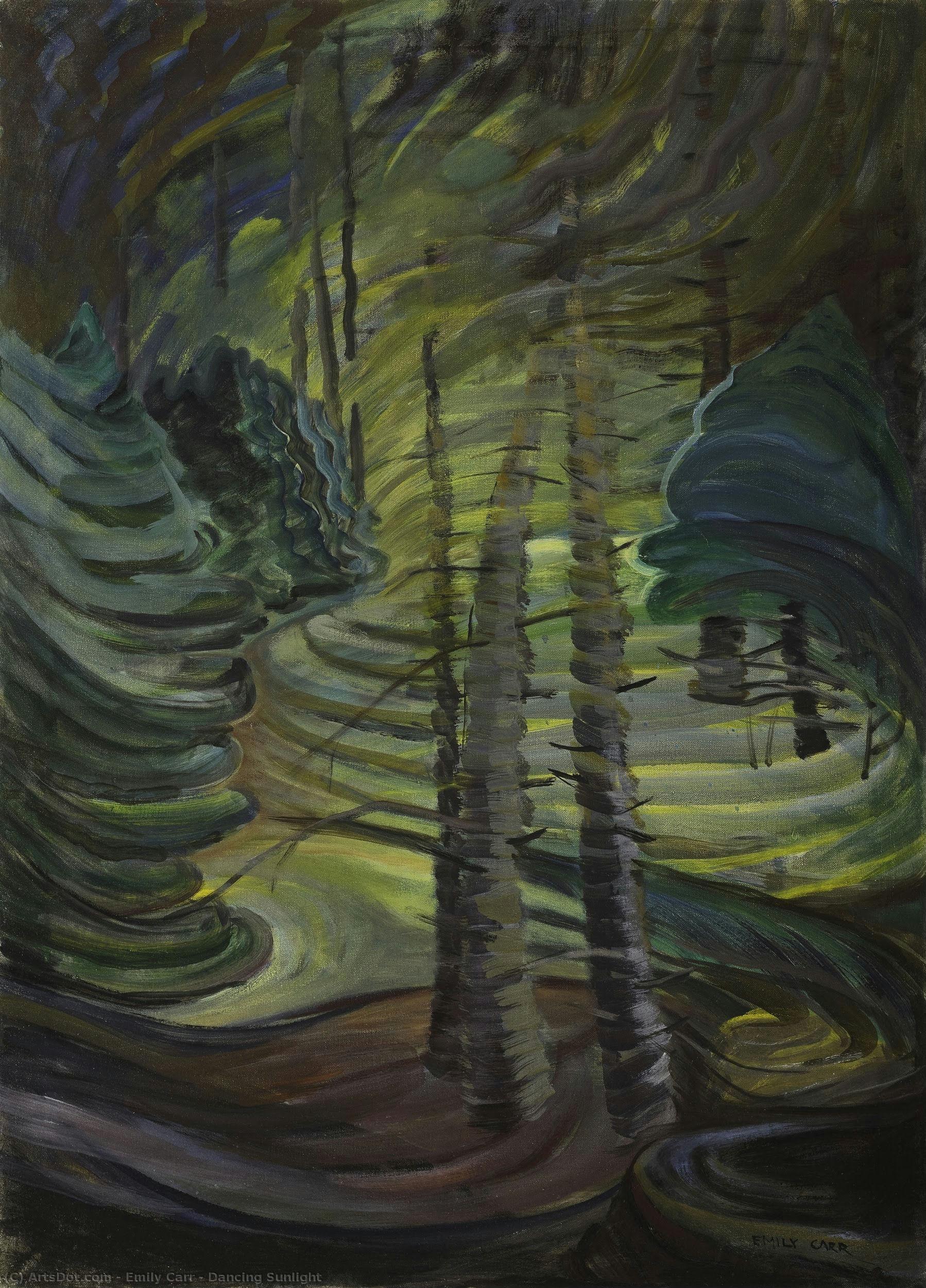
Dancing Sunlight

Discover "Dancing Sunlight," Emily Carr's evocative 1937 painting capturing the magic of British Columbia’s forests. Explore its rich details, artistic techniques & historical context.

Entdecken Sie Emily Carr (1871-1945), Pionierin der kanadischen Moderne! Erleben Sie ihre kraftvollen Gemälde von BCs Landschaften & indigene Kulturen – eine wahre kanadische Ikone!

Handgefertigte Ölreproduktion

Handgemaltes Ölgemälde auf Leinwand in Ihrer Wunschgröße und mit Rahmen, auf Bestellung von unseren Künstlern angefertigt. ( Zum Druck wechseln Zum digitalen Bild wechseln)

Corner sample of the P118B picture frame: moulded polystyrene, 5 cm wide and 3 cm thick
P118B 10
Corner sample of the P118H picture frame: moulded polystyrene, 5 cm wide and 3 cm thick
P118H 10
Corner sample of the P118W picture frame: moulded polystyrene, 5 cm wide and 3 cm thick
P118W 10
Corner sample of the P438Z picture frame: moulded polystyrene, 5.5 cm wide and 3.5 cm thick
P438Z 10
Corner sample of the P508JH picture frame: moulded polystyrene, 7 cm wide and 3.5 cm thick
P508JH 12
Corner sample of the P508YH picture frame: moulded polystyrene, 7 cm wide and 3.5 cm thick
P508YH 12
Corner sample of the P805H picture frame: moulded polystyrene, 5 cm wide and 3.5 cm thick
P805H 10
Corner sample of the P805Z picture frame: moulded polystyrene, 5 cm wide and 3.5 cm thick
P805Z 10
Corner sample of the P919BZ picture frame: moulded polystyrene, 7 cm wide and 3.5 cm thick
P919BZ 10
Corner sample of the P919G picture frame: moulded polystyrene, 7 cm wide and 3.5 cm thick
P919G 10
Corner sample of the P919XJ picture frame: moulded polystyrene, 7 cm wide and 3.5 cm thick
P919XJ 10
Corner sample of the P959ZH picture frame: moulded polystyrene, 5 cm wide and 3 cm thick
P959ZH 10
Corner sample of the P968JZ picture frame: moulded polystyrene, 6 cm wide and 4 cm thick
P968JZ 12
Corner sample of the W106C picture frame: solid wood, 5 cm wide and 3 cm thick
W106C 8
Corner sample of the W218G picture frame: solid wood, 5 cm wide and 3 cm thick
W218G 10
Corner sample of the W218JH picture frame: solid wood, 5 cm wide and 3 cm thick
W218JH 8
Corner sample of the W218Y picture frame: solid wood, 5 cm wide and 3 cm thick
W218Y 10
Corner sample of the W307PJ picture frame: solid wood, 6 cm wide and 3 cm thick
W307PJ 10
Corner sample of the W316G picture frame: solid wood, 6 cm wide and 3 cm thick
W316G 10
Corner sample of the W316PJ picture frame: solid wood, 6 cm wide and 3 cm thick
W316PJ 8
Corner sample of the W316Y picture frame: solid wood, 6 cm wide and 3 cm thick
W316Y 10
Corner sample of the W398PJ picture frame: solid wood, 5 cm wide and 3 cm thick
W398PJ 8
Corner sample of the W4111J picture frame: solid wood, 6.5 cm wide and 3.5 cm thick
W4111J 10
Corner sample of the W500HY picture frame: solid wood, 7 cm wide and 5 cm thick
W500HY 15
Corner sample of the W500JH picture frame: solid wood, 7 cm wide and 5 cm thick
W500JH 15
Corner sample of the W692G picture frame: solid wood, 8 cm wide and 4 cm thick
W692G 12
Corner sample of the W849H picture frame: solid wood, 5 cm wide and 3 cm thick
W849H 8
Corner sample of the W940BG picture frame: solid wood, 7.5 cm wide and 4.5 cm thick
W940BG 15
Corner sample of the W953PJ picture frame: solid wood, 6 cm wide and 3.5 cm thick
W953PJ 8

Standardformat
individuell anpassbar
CM
INCH

Wählen Sie aus unseren vordefinierten Formaten, die den ursprünglichen Proportionen des Kunstwerks entsprechen.

Breite
Höhe

Sie können Ihre eigenen Maße eingeben, um einen bestimmten Rahmen oder Platz auszufüllen. Wenn die gewählte Größe nicht den Proportionen des Originalbildes entspricht, werden wir das Kunstwerk entweder beschneiden oder das Gemälde durch zusätzliche, handgemalte Elemente erweitern. Ein digitales Mockup wird Ihnen zur Genehmigung zugesandt, bevor die Produktion beginnt.
Bitte beachten Sie, dass die Bildschirmvorschau nicht die tatsächliche Beschneidung oder Erweiterung widerspiegelt. Nur das Mockup zeigt die endgültige Komposition exakt an.
Obwohl Sondermaße verfügbar sind, empfehlen wir, eine Größe aus der vordefinierten Liste zu wählen, um die ursprünglichen Proportionen beizubehalten.

Beispiele für Anpassungsmöglichkeiten: Gesicht durch Kundenfoto ersetzen; Haustier hinzufügen (z. B. Katze durch Hund ersetzen); eine versteckte Nachricht im Hintergrund einfügen; Hintergrundlandschaft oder -elemente ändern.
Nach der Bestellung wird das WahooArt.com-Team dem Kunden Anweisungen per E-Mail zusenden und eine Mockup-Vorschau bereitstellen.

Weltweiter Versand () in nur 3 bis 4 Wochen statt der üblichen 5 Wochen. (10 Oktober). Keine Kompromisse bei der Qualität.

Kostenloser weltweiter Expressversand
Hochwertige Leinenleinwand
Vollständiger Versicherungsschutz beim Versand
Zollgebühren-Rückerstattungsgarantie
Garantie für exakte Farbtreue
100-tägiges Rückgaberecht (nur bei Mängeln)
100% Geld-zurück-Garantie
Angebot für Mengenrabatt

Gesamtpreis

€ 234

Dancing Sunlight

Reproduktionsmedium

Format der Reproduktion

-

Gesamtpreis

€ 234

Kurzübersicht

  • Influences: Landscape
  • Notable elements: Forest scene
  • Artistic style: Expressionism
  • Subject or theme: Nature, Night
  • Year: 1937
  • Medium: Painting

Emily Carr's "Dancing Sunlight": A Nocturne of Spirit and Timber

“Dancing Sunlight,” painted in 1937 by Emily Carr, offers an intimate glimpse into the heart of British Columbia’s wilderness – a scene rendered with a profound understanding of light, texture, and the enduring spirit of the land. This evocative work captures a forest at night, not as darkness, but as a vibrant tapestry woven from the last vestiges of sunset and the emerging shadows. The artist's meticulous attention to detail, particularly in the depiction of the trees – some sharply defined, others softened by atmospheric haze – creates a sense of depth that draws the viewer into this tranquil space. It’s a painting that speaks not just of visual beauty but of a deep connection to nature, a hallmark of Carr’s artistic legacy.

Style and Technique: Impressionistic Brushwork

  • Impressionistic Approach: Carr employs an impressionistic technique, prioritizing the immediate sensation of light and color over precise representation. The brushstrokes are visible, contributing to a dynamic surface that seems to shimmer with reflected light.
  • Layered Application: Notice the layering of paint – thin washes build up atmospheric perspective, while thicker impasto creates texture in the tree trunks and foliage. This technique enhances the three-dimensionality of the scene.
  • Color Palette: The dominant hues are warm oranges, reds, and yellows, indicative of the setting sun, contrasted with cooler blues and greens that suggest the deepening shadows. Carr’s masterful use of color evokes a sense of warmth and tranquility.

Historical Context and Emily Carr's Vision

Painted in 1937, “Dancing Sunlight” reflects a pivotal moment in Emily Carr’s career. Following years spent documenting the coastal forests and First Nations communities of British Columbia, she was increasingly drawn to the interior landscapes. This work exemplifies her evolving style – a move towards greater abstraction while retaining a deep respect for the natural world. The painting also speaks to the broader cultural context of the time, when there was growing interest in preserving Canada’s wilderness areas. Carr's art became an important voice advocating for the protection of these unique environments.

Symbolism and Emotional Impact

More than a simple landscape painting, “Dancing Sunlight” is imbued with symbolic meaning. The ‘dancing sunlight’ itself suggests movement, energy, and perhaps even spirituality – a connection between the earthly realm and something beyond. Carr's work frequently explored themes of solitude, resilience, and the power of nature to inspire awe and reverence. The composition invites contemplation, prompting viewers to consider their own relationship with the natural world. The painting’s quiet intensity evokes a sense of peace and wonder, capturing the essence of a timeless moment in the forest.

Dimensions & Reproduction Details

Size: 83 x 60 cm (approximately 32.7 x 23.6 inches)

Date: 1937

WahooArt offers a meticulously crafted hand-painted reproduction of Emily Carr’s “Dancing Sunlight,” ensuring the highest quality and authenticity. Each reproduction is created using archival materials, guaranteeing lasting beauty and preserving the original artwork's vibrant colors for generations to come.

Fragen & Antworten

In welchem Jahr wurde "Dancing Sunlight" geschaffen?

Die Entstehung von "Dancing Sunlight" von Emily Carr wird auf 1937 datiert.

Wo finde ich Statistiken zu "Dancing Sunlight" von Emily Carr?

Statistiken zu "Dancing Sunlight" von Emily Carr finden Sie auf der Statistiken-Seite des Kunstwerks: monatliche Aufrufe des Kunstwerks, Aufrufe der Werke des Künstlers sowie eine Aufschlüsselung der jüngsten Besucher nach Land und Sprache.

Aus welcher historischen Epoche stammt "Dancing Sunlight" von Emily Carr?

Die historische Epoche von "Dancing Sunlight" von Emily Carr ist 19th Century. Diese Klassifizierung ordnet das Werk kunsthistorisch ein.

Welche Größe wird für "Dancing Sunlight" in einem Living Room empfohlen?

Für einen Living Room ist die empfohlene Druckgröße von "Dancing Sunlight" von Emily Carr Large.

Darf die Abbildung von "Dancing Sunlight" von Emily Carr frei reproduziert werden?

"Dancing Sunlight" von Emily Carr ist gemeinfrei – das Urheberrecht ist abgelaufen. Dieser Status bestimmt, wie das Bild des Werkes vervielfältigt werden darf.

Wer hat "Dancing Sunlight" erschaffen?

Der Künstler hinter „Dancing Sunlight“ ist Emily Carr. Das Werk ist unter dem Namen von Emily Carr katalogisiert.

Wie alt war Emily Carr, als „Dancing Sunlight“ im Jahr 1937 geschaffen wurde?

Emily Carr war 66 Jahre alt, als Dancing Sunlight im Jahr 1937 geschaffen wurde. Das Alter berechnet sich aus dem Geburtsjahr des Künstlers, 1871.


Biografie des Künstlers

Frühes Leben und Einflüsse

  • Geboren: 13. Dezember 1871, Victoria, British Columbia
  • Gestorben: 2. März 1945, Victoria, British Columbia
  • Familienhintergrund: Emily Carr war das vorletzte von insgesamt neun Kindern von Richard und Emily (Saunders) Carr. Ihr Vater war ein englischer Einwanderer, der in Victoria ein erfolgreiches Geschäft gründete.
  • Frühe künstlerische Neigungen: Ermutigt durch ihren Vater zeigte Emily schon in jungen Jahren künstlerisches Talent. Sie erhielt frühe Kunstunterricht und interessierte sich sehr für die Darstellung der Natur um sie herum.
  • Ausbildung: Studierte am San Francisco Art Institute (1890-1892) und an der Westminster School of Art in London (1899). Diese Erfahrungen führten sie verschiedenen künstlerischen Stilen aus, aber sie entwickelte letztendlich eine einzigartige Vision.
  • Frühe Einflüsse: Die Landschaften von British Columbia, insbesondere Vancouver Island, beeinflussten stark Carrs frühe Arbeit. Sie fühlte sich auch von der Kunst und Kultur der First Nations-Völker in der Region angezogen.

Künstlerische Entwicklung und Stil

  • Postimpressionistische Anfänge: Anfangs neigte Carrs Stil zum Postimpressionismus, beeinflusst von europäischen Künstlern. Sie löste sich jedoch allmählich von der konventionellen Darstellung ab, um einen expressiveren und persönlicheren Ansatz zu entwickeln.
  • Fokus auf indigene Kultur: Ein bedeutender Wendepunkt in ihrer Karriere war ihre Erkundung von First Nations-Dörfern und -Kunst. Sie versuchte, die spirituelle Essenz und den kulturellen Reichtum dieser Gemeinschaften in ihren Gemälden einzufangen.
  • Modernistische Hinwendung: Carr wurde zu einer der ersten kanadischen Malerinnen, die den Modernismus annahmen, der durch kräftige Farben, dynamische Pinselstriche und eine Abkehr vom traditionellen Realismus gekennzeichnet ist.
  • Einzigartiger Stil: Ihr Stil zeichnet sich durch seine emotionale Intensität, das lebendige Farbpalette und die charakteristische Verwendung von Textur aus. Sie verwendete oft dicke Impasto-Techniken, um ein Gefühl für Bewegung und Energie in ihren Gemälden zu erzeugen.

Wichtige Werke und Ausstellungen

  • Bemerkenswerte Gemälde: Tanoo (Aquarell), Ein Haida-Dorf (Öl), Die Indianische Kirche (Öl) gehören zu ihren bekanntesten Werken, die ihre einzigartige Mischung aus modernistischen Techniken und indigenen Themen zeigen.
  • Ausstellungen: Carr nahm an mehreren Ausstellungen im Laufe ihrer Karriere teil, darunter die "Canadian West Coast First Nations and Modern Peoples' Art Exhibition" in der National Gallery of Canada.
  • Klee Wyck (1941): Ihre Autobiografie Klee Wyck gewann den Governor General’s Literary Award für Sachbücher und demonstrierte ihr Talent als Schriftstellerin und Chronistin des Lebens in British Columbia.

Vermächtnis und historische Bedeutung

  • "Mutter der modernen kanadischen Kunst": Emily Carr gilt weithin als Pionierin der modernen kanadischen Kunst, die den Weg für zukünftige Generationen von Künstlern ebnete.
  • Anerkennung der indigenen Kultur: Ihre Arbeit trug dazu bei, das Bewusstsein für die Kultur und die künstlerischen Traditionen der First Nations in Kanada zu schärfen.
  • Einfluss auf nachfolgende Künstler: Sie inspirierte zahlreiche kanadische Künstler mit ihrer einzigartigen Vision und ihrem unerschütterlichen Engagement für ihr Handwerk. Pegi Nicol Macleod ist ein Beispiel dafür.
  • Nationales Symbol: Carrs Vermächtnis geht über ihre Kunstwerke hinaus, da sie zu einem Symbol für künstlerische Unabhängigkeit, kulturelle Erkundung und die Schönheit der Landschaft von British Columbia geworden ist. Ein kleiner Planet, 5688 Kleewyck, wurde nach ihrem anglizierten indigenen Namen benannt.
Emily Carr

Emily Carr

1871 - 1945 , Kanada

Eckdaten zum Künstler

  • Beeinflusste Künstler:
    • Vincent van Gogh
    • Claude Monet
    • Camille Pissarro
    • Henri Matisse
  • Bemerkenswerte Werke:
    • Tanoo
    • A Haida Village
    • The Indian Church
  • Geburtsdatum: 13. Dezember 1871
  • Geburtsort: Victoria, Kanada
  • Künstlerische Richtung: Modernismus, Post-Impressionismus
  • Nationalität: Kanadisch
  • Sterbedatum: 2. März 1945
  • Vollständiger Name: Emily Carr
  • Von Künstlern Beeinflusst:
    • Margaret Kathleen Nichol
    • Sophia Theresa Pemberton
Entdecken Sie Kunstwerke, die nach Themen, Stilen und Merkmalen sortiert sind.