Kostenlose Kunstberatung

x
Gemälde kaufen Gemälde kaufenBild kaufen Bild kaufen VersendenVersenden
DetailsDetails Zu Favoriten hinzufügen Zu Favoriten hinzufügen HerunterladenHerunterladen Ähnliche ObjekteÄhnliche Objekte RöntgenaufnahmeRöntgenaufnahme Diashow anzeigenDiashow anzeigen

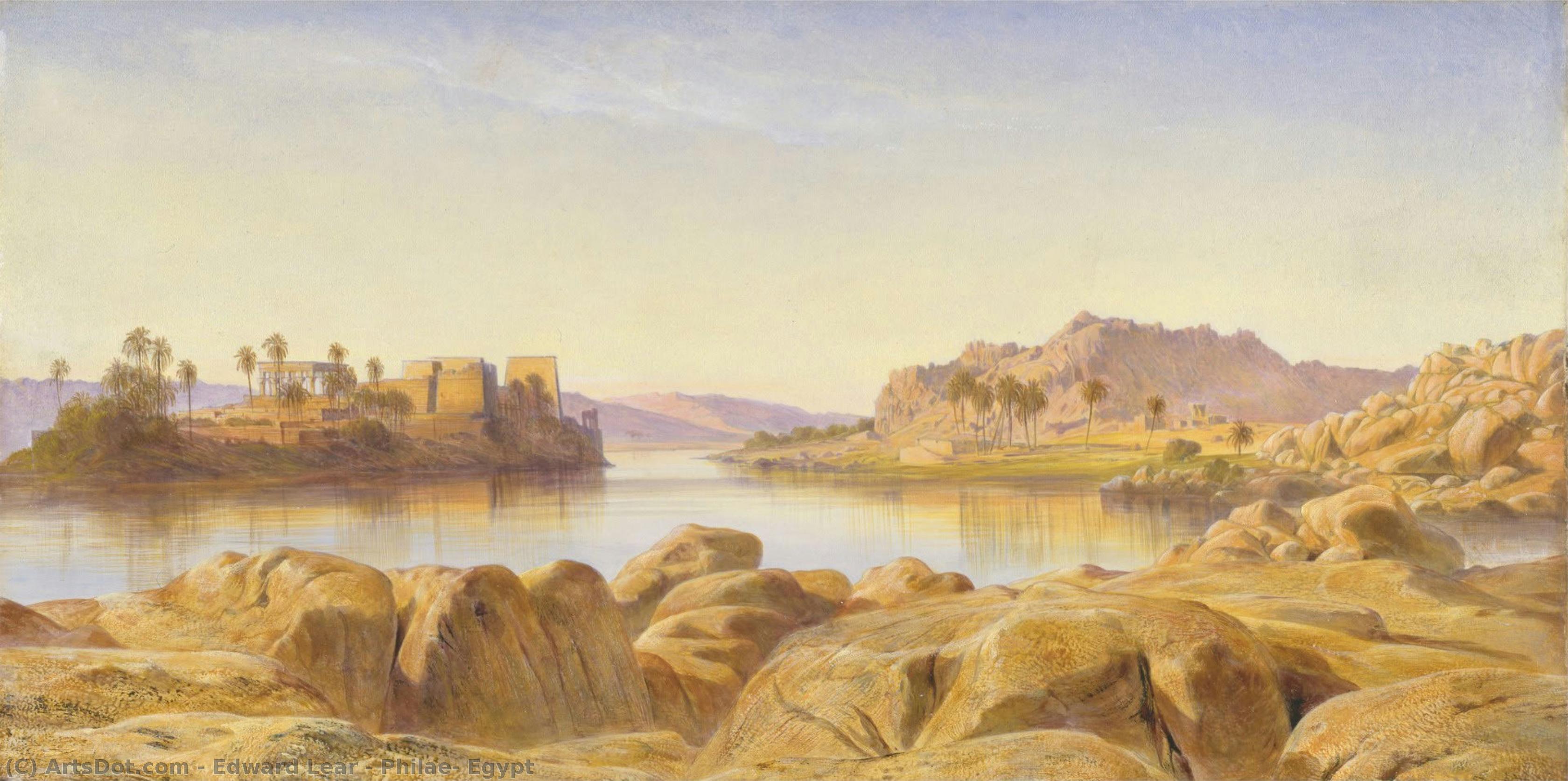
Philae, Egypt

Edward Lear's "Philae, Egypt, 1863" captures a serene landscape of ancient Egypt with mountains and water. A beautiful oil painting by the whimsical artist, showcasing his unique style.

Entdecken Sie Edward Lear (1812-1888)! Künstler, Dichter & Illustrator des viktorianischen Zeitalters. Nonsense-Gedichte, Landschaftsmalerei & skurrile Tierbilder – ein einzigartiger Visionär!

Giclée / Kunstdruck

Giclée- oder Leinwanddruck in Museumsqualität mit schneller Produktion und flexiblen Veredelungsoptionen.

P118B $10
P118H $10
P118W $10
P438Z $10
P508JH $12
P508YH $12
P805H $10
P805Z $10
P919BZ $10
P919G $10
P919XJ $10
P959ZH $10
P968JZ $12
W106C $8
W218G $10
W218JH $8
W218Y $10
W307PJ $10
W316G $10
W316PJ $8
W316Y $10
W398PJ $8
W4111J $10
W500HY $15
W500JH $15
W692G $12
W849H $8
W940BG $15
W953PJ $8

Standard
custom
CM
INCH

Wählen Sie aus unseren vordefinierten Größen, die den ursprünglichen Proportionen des Kunstwerks entsprechen.

Breite
Höhe

Sie können Ihre eigenen Maße eingeben, um ein bestimmtes Format oder einen speziellen Platz einzupassen. Wenn das von Ihnen gewählte Format nicht den Proportionen des Originalbildes entspricht, werden wir das Kunstwerk entweder beschneiden oder das Bild mit einem gespiegelten oder einfarbigen Rand erweitern. Ein digitaler Entwurf wird Ihnen zur Genehmigung zugesandt, bevor die Produktion beginnt.
Bitte beachten Sie, dass die Vorschau auf dem Bildschirm nicht den tatsächlichen Zuschnitt oder die Erweiterung widerspiegelt. Nur der Entwurf zeigt die endgültige Komposition präzise an.
Obwohl Sondermaße verfügbar sind, empfehlen wir die Auswahl eines Maßes aus der vordefinierten Liste, um die ursprünglichen Proportionen zu bewahren.

Weltweiter Versand () innerhalb von 2 Wochen statt der üblichen 4/5 Wochen. (2 Juli)

why_choose_icon
Kostenloser weltweiter Expressversand
why_choose_icon
Hochwertige Leinenleinwand
why_choose_icon
Umfassender Versicherungsschutz beim Versand
why_choose_icon
Zollsteuer-Rückerstattungsgarantie
why_choose_icon
Garantie für echte Farbtreue
why_choose_icon
60-Tage-Rückgaberecht (nur bei Mängeln)
why_choose_icon
100% Geld-zurück-Garantie
why_choose_icon
Mengenrabatt verfügbar

Gesamtpreis

-

reproduction

Philae, Egypt

Giclée / Kunstdruck

Größe der Reproduktion

-

Endpreis aller Optionen

-

Eckdaten auf einen Blick

  • Location: Yale Center for British Art
  • Title: Philae, Egypt
  • Artistic style: Landscape painting
  • Dimensions: 27 x 53 cm
  • Artist: Edward Lear
  • Subject or theme: Egyptian scenery
  • Medium: Oil on canvas

Kunst-Quiz

Jede Frage hat nur eine richtige Antwort.

Frage 1:
What is the primary subject depicted in the painting "Philae, Egypt"?
Frage 2:
In what year was the painting "Philae, Egypt" created?
Frage 3:
Who is the artist responsible for creating the painting "Philae, Egypt"?
Frage 4:
What type of landscape is most prominently featured in the painting?
Frage 5:
Based on the description, what is a key characteristic of Edward Lear's artistic style?

Beschreibung des Sammlerstücks

A Vision of Ancient Egypt: Edward Lear’s “Philae, Egypt, 1863”

Edward Lear's "Philae, Egypt, 1863" isn’t merely a landscape painting; it’s a portal. A meticulously rendered vista of the ancient Egyptian island city of Philae, nestled within the embrace of a vast, shimmering lake, it invites us to step back in time and experience the serenity and grandeur of this once-sacred site. The scene unfolds with a quiet dignity – a majestic mountain range dominates the background, its peaks softened by atmospheric haze, while a sprawling body of water reflects the sky above, creating an illusion of infinite depth. Scattered across the foreground are figures—likely travelers or locals—adding a subtle human element to this otherwise timeless tableau. Lear’s choice of palette is masterful; he employs muted blues and greens for the water, contrasted with earthy ochres and browns for the mountains and surrounding landscape. This restrained color scheme doesn't diminish the scene's beauty; rather, it enhances its sense of realism and evokes a feeling of distant memory.

The painting’s historical context is crucial to understanding its emotional resonance. Philae, dedicated to the goddess Isis, held immense religious significance for centuries. By the 19th century, however, much of the island complex had fallen into disrepair and was threatened by rising waters from the Aswan Dam project. Lear's depiction, created just a few years before the dam’s completion, captures a fleeting moment in time—a testament to the beauty that was about to be lost. It speaks to a poignant awareness of cultural heritage and the inevitable passage of history.

The Delicate Brushwork: A Study in Watercolor Technique

Lear's distinctive style is immediately recognizable through his delicate, almost translucent watercolor technique. He eschews bold outlines and heavy brushstrokes, instead favoring subtle gradations of color and washes that create a sense of atmospheric perspective. The mountains, for instance, are rendered with layers of pale blue and grey, suggesting distance and the play of light on their surfaces. The water’s surface is treated with a shimmering quality—a series of broken strokes and diluted pigments that capture its fluidity and reflectivity. This meticulous attention to detail, combined with his mastery of color, results in an image that feels both incredibly detailed and remarkably ethereal.

He employed a technique known as ‘wet-on-wet,’ applying wet paint onto a still-damp surface, allowing the colors to bleed and blend together organically. This created soft edges and diffused tones, contributing significantly to the painting’s dreamlike quality. The layering of washes is particularly evident in the depiction of the distant mountains, where faint outlines gradually fade into the hazy background.

Symbolism and a Sense of Isolation

Beyond its purely representational qualities, “Philae, Egypt, 1863” carries layers of symbolic meaning. The vastness of the landscape—the towering mountains and expansive water—evokes a sense of human insignificance in the face of nature’s grandeur. The scattered figures in the foreground serve as reminders of our connection to the past, yet their isolation suggests a feeling of detachment from this ancient world. Lear himself was known for his introspective nature and fascination with solitude; these themes resonate deeply within the painting.

Furthermore, the island itself—a sanctuary dedicated to Isis, a powerful goddess associated with magic, motherhood, and protection—hints at a deeper spiritual significance. The scene can be interpreted as a meditation on faith, memory, and the enduring power of ancient traditions. The inclusion of figures enjoying the view suggests an appreciation for beauty and tranquility, values that seem timeless and universal.

A Legacy of Wonder: Reproductions and Artistic Inspiration

Reproductions of “Philae, Egypt, 1863” offer a remarkable opportunity to experience Lear’s artistic vision firsthand. Whether displayed in a grand salon or a cozy study, this painting evokes a sense of wonder and invites contemplation. Its delicate beauty and evocative atmosphere make it an ideal choice for collectors seeking pieces that are both visually stunning and intellectually stimulating. The painting's enduring appeal lies not only in its technical mastery but also in its ability to transport us to another time and place—a world of ancient mysteries, breathtaking landscapes, and the quiet contemplation of human existence.

Ähnliche Kunstwerke


Biografie des Künstlers

Frühes Leben und Karriere

Edward Lear, ein renommierter englischer Künstler, Illustrator, Musiker, Autor und Dichter, wurde am 12. Mai 1812 in Holloway, Nord-London, geboren. Als vorletztes von 21 Kindern war Lears Leben durch einen frühen Beginn seiner Karriere im Alter von 15 Jahren geprägt. Sein Vater, Jeremiah Lear, ein Börsenmakler, hatte nach den napoleonischen Kriegen finanzielle Schwierigkeiten, was zu einer Verringerung der finanziellen Mittel der Familie und zur Notwendigkeit führte, dass Lear sich von jung an selbst unterstützen musste.

Künstlerische Beiträge

Lears künstlerische Beiträge sind vielfältig:
  • Illustrationen von Vögeln und Tieren: Im Dienst des Zoologischen Vereins demonstrierte Lears frühe Arbeit seine Fähigkeiten bei der Illustration von Vögeln und Tieren.
  • Landschaftsmalerei: Nach seinen ausgedehnten Reisen durch Europa und Asien widmete sich Lear der Landschaftsmalerei und fing das Wesen dieser Regionen in seinen Werken ein.

  • Autor und Dichter: Lears Ruhm beruht auf seiner Nonsense-Poesie, Limerick und humorvollen Versen, wie man sie in seinen Büchern "A Book of Nonsense" (1846), "Nonsense Songs" (1871) und "Laughable Lyrics" (1877) findet.
  • Musikalische Kompositionen: Lear komponierte musikalische Settings für Alfred Tennysons Gedichte, wobei zwölf Werke veröffentlicht wurden.

Bemerkenswerte Werke und Vermächtnis

Zu Lears bemerkenswertesten Werken gehören:

Museen und Sammlungen

Lears Werke finden sich in verschiedenen Museen, darunter:
  • Das Ashmolean Museum, Oxford, das sein Gemälde "The Plains of Lombardy from Monte Generoso" zeigt.
  • Andere bemerkenswerte Sammlungen und Museen, die Lears Kunst zeigen, finden sich in der umfangreichen Datenbank von WahooArt.com.

Fazit

Lears Vermächtnis ist ein Beweis für seinen innovativen Ansatz in der Kunst, der Humor, Nonsense-Poesie und Landschaftsmalerei vereint. Sein Einfluss auf die Welt der Kunst und Literatur bleibt unübertroffen, wobei seine Werke weiterhin neue Generationen inspirieren. Mehr von Edward Lears Werken finden Sie auf WahooArt.com Erfahren Sie mehr über Edward Lear auf Wikipedia
Edward Lear

Edward Lear

1812 - 1888 , Vereinigtes Königreich

Kurzinfos

  • Bemerkenswerte Werke:
    • The Owl and the Pussycat
    • The Dong with the Luminous Nose
    • Illustrationen der Papageienfamilie
  • Geburtsdatum: 12. Mai 1812
  • Geburtsort: London, Vereinigtes Königreich
  • Künstlerische Richtung: Viktorianische Kunst, Nonsense-Literatur
  • Nationalität: Britisch
  • Sterbedatum: 1888
  • Vollständiger Name: Edward Lear
Entdecken Sie Kunstwerke, die nach Themen, Stilen und Merkmalen sortiert sind.