In echtem Maßstab anzeigen In AR an der Wand sehen Handgemalte Reproduktion kaufen Zum digitalen Bild wechseln Versenden als Grußkarte
Details anzeigen Leitfaden öffnen Zu Favoriten hinzufügen Herunterladen Ähnliche Objekte Röntgenaufnahme Diashow Besucherstatistiken

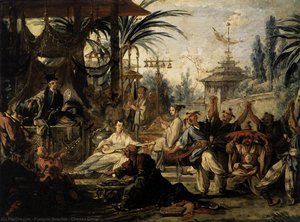
Perseus and Andromeda

Experience Rococo elegance with Charles-André van Loo's Perseus and Andromeda, a graceful mythological triumph from the 18th century; discover this masterpiece today.

Entdecken Sie Charles-André van Loo (Carle van Loo)! Rokoko-Meister für Porträts, Mythologie & höfisches Leben. Hofmaler Ludwigs XV. Seine Kunst auf WahooArt!

Giclée / Kunstdruck

Giclée- oder Leinwanddruck in Museumsqualität mit schneller Produktion und flexiblen Veredelungsoptionen. ( Handgemalte Reproduktion kaufen Zum digitalen Bild wechseln)

Corner sample of the P118B picture frame: moulded polystyrene, 5 cm wide and 3 cm thick
P118B €10
Corner sample of the P118H picture frame: moulded polystyrene, 5 cm wide and 3 cm thick
P118H €10
Corner sample of the P118W picture frame: moulded polystyrene, 5 cm wide and 3 cm thick
P118W €10
Corner sample of the P438Z picture frame: moulded polystyrene, 5.5 cm wide and 3.5 cm thick
P438Z €10
Corner sample of the P508JH picture frame: moulded polystyrene, 7 cm wide and 3.5 cm thick
P508JH €12
Corner sample of the P508YH picture frame: moulded polystyrene, 7 cm wide and 3.5 cm thick
P508YH €12
Corner sample of the P805H picture frame: moulded polystyrene, 5 cm wide and 3.5 cm thick
P805H €10
Corner sample of the P805Z picture frame: moulded polystyrene, 5 cm wide and 3.5 cm thick
P805Z €10
Corner sample of the P919BZ picture frame: moulded polystyrene, 7 cm wide and 3.5 cm thick
P919BZ €10
Corner sample of the P919G picture frame: moulded polystyrene, 7 cm wide and 3.5 cm thick
P919G €10
Corner sample of the P919XJ picture frame: moulded polystyrene, 7 cm wide and 3.5 cm thick
P919XJ €10
Corner sample of the P959ZH picture frame: moulded polystyrene, 5 cm wide and 3 cm thick
P959ZH €10
Corner sample of the P968JZ picture frame: moulded polystyrene, 6 cm wide and 4 cm thick
P968JZ €12
Corner sample of the W106C picture frame: solid wood, 5 cm wide and 3 cm thick
W106C €8
Corner sample of the W218G picture frame: solid wood, 5 cm wide and 3 cm thick
W218G €10
Corner sample of the W218JH picture frame: solid wood, 5 cm wide and 3 cm thick
W218JH €8
Corner sample of the W218Y picture frame: solid wood, 5 cm wide and 3 cm thick
W218Y €10
Corner sample of the W307PJ picture frame: solid wood, 6 cm wide and 3 cm thick
W307PJ €10
Corner sample of the W316G picture frame: solid wood, 6 cm wide and 3 cm thick
W316G €10
Corner sample of the W316PJ picture frame: solid wood, 6 cm wide and 3 cm thick
W316PJ €8
Corner sample of the W316Y picture frame: solid wood, 6 cm wide and 3 cm thick
W316Y €10
Corner sample of the W398PJ picture frame: solid wood, 5 cm wide and 3 cm thick
W398PJ €8
Corner sample of the W4111J picture frame: solid wood, 6.5 cm wide and 3.5 cm thick
W4111J €10
Corner sample of the W500HY picture frame: solid wood, 7 cm wide and 5 cm thick
W500HY €15
Corner sample of the W500JH picture frame: solid wood, 7 cm wide and 5 cm thick
W500JH €15
Corner sample of the W692G picture frame: solid wood, 8 cm wide and 4 cm thick
W692G €12
Corner sample of the W849H picture frame: solid wood, 5 cm wide and 3 cm thick
W849H €8
Corner sample of the W940BG picture frame: solid wood, 7.5 cm wide and 4.5 cm thick
W940BG €15
Corner sample of the W953PJ picture frame: solid wood, 6 cm wide and 3.5 cm thick
W953PJ €8

Standardformat
individuell anpassbar
CM
INCH

Wählen Sie aus unseren vordefinierten Formaten, die den ursprünglichen Proportionen des Kunstwerks entsprechen.

Breite
Höhe

Sie können Ihre eigenen Maße eingeben, um ein bestimmtes Format oder einen speziellen Platz einzupassen. Wenn das von Ihnen gewählte Format nicht den Proportionen des Originalbildes entspricht, werden wir das Kunstwerk entweder beschneiden oder das Bild mit einem gespiegelten oder einfarbigen Rand erweitern. Ein digitaler Entwurf wird Ihnen zur Genehmigung zugesandt, bevor die Produktion beginnt.
Bitte beachten Sie, dass die Vorschau auf dem Bildschirm nicht den tatsächlichen Zuschnitt oder die Erweiterung widerspiegelt. Nur der Entwurf zeigt die endgültige Komposition präzise an.
Obwohl Sondermaße verfügbar sind, empfehlen wir die Auswahl eines Maßes aus der vordefinierten Liste, um die ursprünglichen Proportionen zu bewahren.

Weltweiter Versand () innerhalb von 2 Wochen statt der üblichen 4/5 Wochen. (10 Oktober)

Kostenloser weltweiter Expressversand
Hochwertige Leinenleinwand
Vollständiger Versicherungsschutz beim Versand
Zollgebühren-Rückerstattungsgarantie
Garantie für exakte Farbtreue
100-tägiges Rückgaberecht (nur bei Mängeln)
100% Geld-zurück-Garantie
Angebot für Mengenrabatt

Gesamtpreis

€ 59

Perseus and Andromeda

Giclée / Kunstdruck

Format der Reproduktion

-

Gesamtpreis

€ 59

Kurzübersicht

  • Dimensions: 73 x 92 cm
  • Subject or theme: Mythology; Heroic Narrative
  • Location: Private Collection
  • Artistic style: Elegant Rococo
  • Movement: Rococo
  • Notable elements or techniques: Dramatic composition; Fluid brushstrokes
  • Influences: Italian Baroque

Kunst-Quiz

Jede Frage hat nur eine richtige Antwort.

Frage 1:
What mythological story is depicted in Charles-André van Loo’s ‘Perseus and Andromeda’?
Frage 2:
Charles-André van Loo’s style is primarily associated with which artistic movement?
Frage 3:
The painting portrays Perseus as slaying what creature?
Frage 4:
What artistic technique is prominently used in ‘Perseus and Andromeda’ to convey elegance and grandeur?
Frage 5:
In what historical period was Charles-André van Loo active as a painter?

Perseus and Andromeda: A Triumph of Mythological Grace

Charles-André van Loo’s “Perseus and Andromeda” stands as a quintessential emblem of Rococo artistry—a visual feast celebrating aristocratic grandeur and imbued with profound mythological symbolism. Painted circa 1740, this monumental canvas captures the heroic tale of Perseus slaying Medusa to rescue Andromeda from the monstrous Cetus, cementing its place within the artistic canon of Louis XV’s reign.

  • Subject Matter: The painting meticulously portrays the dramatic confrontation between Perseus and Medusa. Perseus, depicted with unwavering resolve, wields his sword against the Gorgon’s serpentine gaze—a symbol of terror and transformation—while Andromeda lies vulnerable at Cetus's feet, awaiting deliverance. Supporting figures underscore the narrative’s importance, highlighting divine intervention and human courage.
  • Style: Van Loo’s masterful command of Rococo style is immediately apparent. The composition exudes elegance and fluidity, prioritizing decorative ornamentation over strict realism. Delicate pastel hues dominate the palette—primarily blues and golds—creating an atmosphere of ethereal beauty and conveying a sense of aristocratic refinement characteristic of the period.
  • Technique: Executed with meticulous brushwork and layering of glazes, Van Loo’s technique exemplifies the Rococo penchant for textural richness. The artist skillfully captures the dynamism of the scene through subtle movements and drapery folds, enhancing the visual impact and conveying a palpable sense of drama. Attention to detail extends beyond mere representation; it aims to evoke emotion and immerse the viewer in the narrative's unfolding events.
  • Historical Context: Commissioned during Louis XV’s opulent court, “Perseus and Andromeda” reflects the prevailing artistic tastes of the era—a desire for idealized beauty and a fascination with classical mythology. The painting served as a powerful visual statement reinforcing royal authority and glorifying heroic deeds.
  • Symbolism: Beyond its narrative depiction, the artwork resonates with deeper symbolic meanings. Perseus embodies courage and intellect, overcoming formidable obstacles through cunning and bravery—values revered by the French monarchy. Andromeda represents innocence and vulnerability, rescued from peril by divine grace—a motif frequently employed in Rococo art to convey moral virtue.

A hand-painted reproduction of “Perseus and Andromeda” offers an unparalleled opportunity to experience the sublime artistry of Charles André van Loo. Its luminous colors, intricate detailing, and evocative composition continue to inspire admiration and captivate collectors worldwide. Bring this masterpiece into your home or office and immerse yourself in the timeless beauty of Rococo art.

Fragen & Antworten

Darf "Perseus and Andromeda" von Charles-André van Loo, das sich im Eremitage Museum befindet, rechtmäßig reproduziert werden?

Der Urheberrechtsstatus von "Perseus and Andromeda" von Charles-André van Loo ist eindeutig: Das Werk ist gemeinfrei – das Urheberrecht ist abgelaufen. Seine Präsenz in der Eremitage Museum ändert nichts an diesem Status.

Wie stark ist der Kontrast in "Perseus and Andromeda" von Charles-André van Loo?

Der Hell-Dunkel-Kontrast von „Perseus and Andromeda“ wird mit Ausgewogen angegeben. Der Kontrast beschreibt, wie stark sich helle und dunkle Bereiche voneinander unterscheiden.

Welche Technik wurde für "Perseus and Andromeda" verwendet und wann wurde es geschaffen?

"Perseus and Andromeda" entstand im Jahr 1735 in Öl auf Leinwand.

In welchem Alter schuf Charles-André van Loo „Perseus and Andromeda"?

Als "Perseus and Andromeda" im Jahr 1735 entstand, war Charles-André van Loo – geboren 1705 – 30 Jahre alt.

Wer hat "Perseus and Andromeda" erschaffen?

"Perseus and Andromeda" wird Charles-André van Loo zugeschrieben.

Was ist das Entstehungsdatum von "Perseus and Andromeda" von Charles-André van Loo?

"Perseus and Andromeda" von Charles-André van Loo entstand im Jahr 1735.

Wann wurde "Perseus and Andromeda" geschaffen und welcher Stilrichtung lässt es sich zuordnen?

"Perseus and Andromeda" von Charles-André van Loo datiert aus dem Jahr 1735 und gehört zur Rococo Style.


Biografie des Künstlers

Frühes Leben und Ausbildung

  • Geboren: 15. Februar 1705 in Nizza, Frankreich
  • Familienhintergrund: Sohn von Louis-Abraham van Loo und jüngerer Bruder von Jean-Baptiste van Loo. Mitglied einer erfolgreichen niederländischen Malerdynastie.
  • Frühe Ausbildung: Anfängliche Ausbildung in Turin, gefolgt von Studien (1712) in Rom unter Benedetto Luti und Pierre Legros.
  • Pariser Studien: Besuchte die Académie royale, gewann 1723 den ersten Preis für Zeichnen und 1727 für historische Malerei.

Künstlerische Karriere und bedeutende Werke

  • Stil: Hauptsächlich bekannt als Maler des Rokoko, gekennzeichnet durch Eleganz, Anmut und verschnörkelte Details.
  • Themenwahl: Vielfältige Themen wie Porträts, mythologische Szenen, historische Gemälde, Allegorien und Genrekunst.
  • Bedeutende Werke:
    • Venus und Amor (Kunsthalle Bremen) – Demonstriert Meisterschaft des Rokoko-Stils.
    • Halt der Jagd (The Metropolitan Museum of Art) – Fängt aristokratische Aktivitäten ein.
    • Porträt von Marie Leszczynska, Königin von Frankreich – Ein bemerkenswertes königliches Porträt.
    • Jupiter und Antiope – Zeigt Fähigkeiten bei der Darstellung mythologischer Themen.
    • Selbstporträt – Bietet Einblick in die Selbstwahrnehmung des Künstlers.
    • Perseus und Andromeda (mehrere Versionen) – Illustriert Geschicklichkeit bei der Darstellung klassischer Mythologie.
    • Mademoiselle Clairon als Medea (kleine Version) - Ein fesselndes Rokoko-Porträt von 1760.

Förderung und königliche Anerkennung

  • Königliche Förderung: Genoss die Förderung von Madame de Pompadour und dem französischen Hof.
  • Ernennung zum Hofmaler: Wurde 1762 Erster Maler am Hofe König Ludwigs XV., eine prestigeträchtige Position.
  • Orden Saint Michael: Ausgezeichnet mit dem Orden Saint Michael, ein Zeichen königlicher Gunst.

Einflüsse und Vermächtnis

  • Familienbeeinflussung: Stark beeinflusst von seinem Vater und Bruder, beide angesehene Maler.
  • Rivalität: Konkurrierte mit François Boucher, einem weiteren bedeutenden Rokoko-Künstler.
  • Einfluss auf die moderne französische Kunstschule: Seine "Schlichtheit des Stils und Korrektheit des Designs" beeinflusste maßgeblich die moderne französische Kunstschule.
  • Kritischer Wert: Obwohl sein kritischer Stellenwert im Laufe der Zeit schwankte, gebieten seine Fähigkeiten und die Vielfalt seiner Arbeit Respekt.

Museumsbestände & Weitere Erkundungen

Charles-André van Loo

Charles-André van Loo

1705 - 1765 , Frankreich

Eckdaten zum Künstler

  • Beeinflusste Kunststile: ['Moderne französische Schule']
  • Beeinflusste Künstler:
    • Benedetto Luti
    • Pierre Le Gros
  • Bemerkenswerte Werke:
    • Venus und Amor
    • Halt der Jagd
    • Porträt Marie Leszczynska
    • Jupiter und Antiope
    • Selbstbildnis
    • Perseus und Andromeda
  • Geburtsdatum: 15. Februar 1705
  • Geburtsort: Nizza, Frankreich
  • Künstlerischer Stil: Rokoko-Malerei
  • Nationalität: Französisch
  • Sterbedatum: 15. Juli 1765
  • Vollständiger Name: Charles-André van Loo
Entdecken Sie Kunstwerke, die nach Themen, Stilen und Merkmalen sortiert sind.