Vorschau anzeigen In AR ansehen Handgemalte Reproduktion bestellen Zum digitalen Bild wechseln Versenden
Details anzeigen Leitfaden Zu Favoriten hinzufügen Herunterladen Ähnliche Objekte Röntgenaufnahme Diashow Fragen & Antworten Präsentation Statistiken

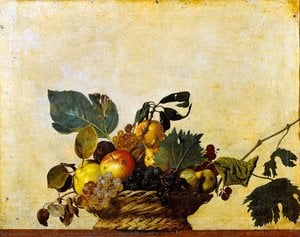
St Francis

Abmessungen
125.0 x 93.0 cm

Michelangelo's "St Francis" (1606) is a Baroque masterpiece depicting the saint holding a skull, symbolizing mortality & faith. A powerful chiaroscuro study of humility and contemplation.

Erkunden Sie Karavaggio (1571-1610): Meister der Barockzeit und des Realismus & der Tenebrismus. Dramatische religiöse Szenen, intensive Chiaroscuro und ein revolutionärer Stil, der Rubens und Rembrandt beeinflusste.

Giclée / Kunstdruck

Giclée- oder Leinwanddruck in Museumsqualität mit schneller Produktion und flexiblen Veredelungsoptionen. ( Handgemalte Reproduktion bestellen Zum digitalen Bild wechseln)

Corner sample of the P118B picture frame: formgepresstes Polystyrol, 5 cm wide and 3 cm thick
P118B €10
Corner sample of the P118H picture frame: formgepresstes Polystyrol, 5 cm wide and 3 cm thick
P118H €10
Corner sample of the P118W picture frame: formgepresstes Polystyrol, 5 cm wide and 3 cm thick
P118W €10
Corner sample of the P438Z picture frame: formgepresstes Polystyrol, 5.5 cm wide and 3.5 cm thick
P438Z €10
Corner sample of the P508JH picture frame: formgepresstes Polystyrol, 7 cm wide and 3.5 cm thick
P508JH €12
Corner sample of the P508YH picture frame: formgepresstes Polystyrol, 7 cm wide and 3.5 cm thick
P508YH €12
Corner sample of the P805H picture frame: formgepresstes Polystyrol, 5 cm wide and 3.5 cm thick
P805H €10
Corner sample of the P805Z picture frame: formgepresstes Polystyrol, 5 cm wide and 3.5 cm thick
P805Z €10
Corner sample of the P919BZ picture frame: formgepresstes Polystyrol, 7 cm wide and 3.5 cm thick
P919BZ €10
Corner sample of the P919G picture frame: formgepresstes Polystyrol, 7 cm wide and 3.5 cm thick
P919G €10
Corner sample of the P919XJ picture frame: formgepresstes Polystyrol, 7 cm wide and 3.5 cm thick
P919XJ €10
Corner sample of the P959ZH picture frame: formgepresstes Polystyrol, 5 cm wide and 3 cm thick
P959ZH €10
Corner sample of the P968JZ picture frame: formgepresstes Polystyrol, 6 cm wide and 4 cm thick
P968JZ €12
Corner sample of the W106C picture frame: Massivholz, 5 cm wide and 3 cm thick
W106C €8
Corner sample of the W218G picture frame: Massivholz, 5 cm wide and 3 cm thick
W218G €10
Corner sample of the W218JH picture frame: Massivholz, 5 cm wide and 3 cm thick
W218JH €8
Corner sample of the W218Y picture frame: Massivholz, 5 cm wide and 3 cm thick
W218Y €10
Corner sample of the W307PJ picture frame: Massivholz, 6 cm wide and 3 cm thick
W307PJ €10
Corner sample of the W316G picture frame: Massivholz, 6 cm wide and 3 cm thick
W316G €10
Corner sample of the W316PJ picture frame: Massivholz, 6 cm wide and 3 cm thick
W316PJ €8
Corner sample of the W316Y picture frame: Massivholz, 6 cm wide and 3 cm thick
W316Y €10
Corner sample of the W398PJ picture frame: Massivholz, 5 cm wide and 3 cm thick
W398PJ €8
Corner sample of the W4111J picture frame: Massivholz, 6.5 cm wide and 3.5 cm thick
W4111J €10
Corner sample of the W500HY picture frame: Massivholz, 7 cm wide and 5 cm thick
W500HY €15
Corner sample of the W500JH picture frame: Massivholz, 7 cm wide and 5 cm thick
W500JH €15
Corner sample of the W692G picture frame: Massivholz, 8 cm wide and 4 cm thick
W692G €12
Corner sample of the W849H picture frame: Massivholz, 5 cm wide and 3 cm thick
W849H €8
Corner sample of the W940BG picture frame: Massivholz, 7.5 cm wide and 4.5 cm thick
W940BG €15
Corner sample of the W953PJ picture frame: Massivholz, 6 cm wide and 3.5 cm thick
W953PJ €8

Standardformat
individuell anpassbar
CM
INCH

Wählen Sie aus unseren vordefinierten Formaten, die den ursprünglichen Proportionen des Kunstwerks entsprechen.

Breite
Höhe

Geben Sie die benötigte Breite und Höhe an, damit der Druck perfekt in Ihren Rahmen oder an Ihre Wand passt. Ein Druck kann nur beschnitten, aber niemals größer als das Originalbild angefertigt werden; daher verliert ein Format mit anderen Proportionen einen Teil des Bildes. Wir senden Ihnen ein digitales Mockup zur Freigabe, bevor wir den Druck ausführen. Das auf dieser Seite gezeigte Bild zeigt nicht den tatsächlichen Beschnitt – dies ist nur im Mockup ersichtlich.

Weltweiter Versand () innerhalb von 2 Wochen statt der üblichen 4/5 Wochen. (8 November)

Kostenloser weltweiter Expressversand
Hochwertige Leinenleinwand
Umfassender Versicherungsschutz beim Versand
Zollgebühren-Rückerstattungsgarantie
Garantie für exakte Farbtreue
100 Tage Rückgaberecht (nur bei Mängeln)
100% Geld-zurück-Garantie
Mengenrabatt verfügbar

Gesamtpreis

€ 62

St Francis

Giclée / Kunstdruck

Format der Reproduktion

-

Endpreis

€ 62

Michelangelo Merisi da Caravaggio’s St Francis: A Meditation on Mortality and Divine Grace

The painting “St Francis” by Michelangelo Merisi da Caravaggio, completed in 1606, stands as a cornerstone of Baroque art—a testament to the artist's unparalleled ability to distill profound spiritual contemplation into visual form. Housed within the Galleria Nazionale d’Arte Antica in Rome, this monochrome masterpiece transcends mere representation; it invites viewers into an intimate dialogue with themes of mortality, faith, and the enduring power of humility.

A Masterclass in Chiaroscuro: Technique and Dramatic Impact

Caravaggio's signature technique—tenebrism—dominates “St Francis,” elevating it beyond conventional portraiture. This dramatic style employs stark contrasts between light and dark, channeling Rembrandt’s influence but forging a uniquely Caravaggian path. The artist meticulously sculpts the saint’s flesh with subtle gradations of tone, highlighting his face and hands while enveloping the rest of the figure in impenetrable shadow. This deliberate manipulation of illumination isn't merely aesthetic; it serves as a powerful vehicle for conveying emotion—isolating St Francis within a realm of introspection and emphasizing the solemn gravity of his gaze. The skull resting in his lap is not simply an anatomical detail but a potent symbol representing human vulnerability and the inevitability of death, mirroring Caravaggio’s own preoccupation with existential questions.

Historical Resonance: Caravaggio's Personal Vision

Caravaggio’s artistic output was deeply informed by his personal experiences—a life marked by exile, poverty, and spiritual turmoil. Like many artists of his era, he sought solace in religious iconography, reflecting the fervent piety prevalent during the Counter-Reformation. The depiction of St Francis aligns perfectly with this trend, portraying him as a figure consumed by contemplation – a man wrestling with profound moral dilemmas and striving for union with God. This portrayal resonates powerfully with the saint’s own ascetic lifestyle and unwavering devotion to simplicity, embodying Caravaggio's belief that true spirituality resided in confronting one's inner demons and embracing humility before divine majesty.

Symbolism Beyond Appearance: The Skull and Divine Presence

The skull held by St Francis is arguably the painting’s most arresting element—a deliberate allusion to Christian iconography signifying mortality and reminding viewers of their own impermanence. However, Caravaggio transcends mere didactic symbolism; he imbues the image with a palpable sense of serenity. The halo above St Francis's head subtly suggests divine grace—a beacon of hope amidst darkness—affirming that even in confronting death, faith offers solace and transcendence. This juxtaposition underscores Caravaggio’s artistic philosophy: to capture not just what is seen but what is felt—to evoke an emotional response that lingers long after the viewer departs from contemplation.

Legacy and Influence: Shaping Baroque Art

“St Francis” exemplifies Caravaggio's revolutionary contribution to Western art history, establishing him as a pivotal figure in the Baroque movement. His innovative use of tenebrism profoundly impacted subsequent artists—inspiring generations to explore dramatic lighting effects and imbue their canvases with emotional intensity. The Caravaggisti, disciples who championed his style and techniques, disseminated his influence across Europe, cementing Caravaggio’s place as one of the most influential painters of his time. Today, reproductions of “St Francis” continue to captivate audiences worldwide—a timeless reminder of Caravaggio's genius and the enduring power of art to illuminate the human condition.

Fragen & Antworten

Wie viele Personen sehen "St Francis"?

Auf der Besucherzahlen-Seite des Kunstwerks finden Sie Statistiken zu "St Francis" von Karavaggio: monatliche Aufrufe des Kunstwerks, Aufrufe der Werke des Künstlers sowie eine Aufschlüsselung der jüngsten Besucher nach Land und Sprache.

Wie kann ich das Bild von "St Francis" von Karavaggio herunterladen?

Für „St Francis“ steht ein Download zur Verfügung: Die Download-Seite des Kunstwerks bietet hochauflösender digitaler Bild-Download.

Aus welcher Schaffensperiode von Karavaggio stammt "St Francis"?

„St Francis“ entstammt der Mature Period von Karavaggio. Diese Einordnung setzt das Werk in Bezug zur künstlerischen Entwicklung des Künstlers.


Künstlerbiografie

Michelangelo Merisi da Caravaggio: Leben und Vermächtnis

Frühes Leben und Ausbildung (1571-1592)

  • Michelangelo Merisi da Caravaggio, bekannt als einfach nur Caravaggio, wurde 1571 in Mailand geboren.
  • Seine Familie zog aufgrund einer verheerenden Pest, die Mailand heimsuchte, in die Stadt Caravaggio.
  • Nach dem Tod seines Vaters und Großvaters im Jahr 1577 lebte Caravaggios Mutter mit ihren fünf Kindern in Armut.
  • Im Jahr 1584 begann er eine vierjährige Lehre bei Simone Peterzano, einem Maler, der Schüler von Tizian gewesen war. Diese grundlegende Ausbildung vermittelte ihm die Techniken der Renaissance-Malerei.

Künstlerische Karriere und Stil (1592-1610)

  • Caravaggios künstlerische Karriere blühte in Rom, wo er um 1592 eintraf. Zunächst hatte er Schwierigkeiten, Anerkennung zu finden, etablierte sich aber schnell mit seinem innovativen Stil.
  • Seine herausragendste Eigenschaft war seine meisterhafte Verwendung von Chiaroscuro, dem dramatischen Kontrast zwischen Licht und Dunkelheit. Diese Technik, oft als Tenebrism bezeichnet, wurde zu einer Markenzeichen der Barockmalerei.
  • Er lehnte idealisierte Formen ab und setzte stattdessen auf realistische Darstellungen, indem er oft gewöhnliche Menschen als Modelle für religiöse Figuren verwendete.
  • Caravaggios Gemälde sind bekannt für ihre intensive emotionale Realität und dramatische Erzählweise.

Wichtige Werke

  • Die Wahrsagerin (1594): Ein frühes Werk, das seinen realistischen Stil und seine Detailgenauigkeit zeigt.
  • Das Abendmahl zu Emmaus (1601-1602): Eine kraftvolle Darstellung der biblischen Szene, die seine Meisterschaft im Chiaroscuro und seine emotionale Intensität demonstriert.
  • Heiliger Franz von Assisi in Ekstase (1594): Veranschaulicht seine Fähigkeit, spirituelle Erfahrungen durch realistische Bilder auszudrücken.
  • Die Absetzung Christi (ca. 1602): Eine dramatische Komposition, die Verrat und Gefangennahme Jesu hervorhebt.
  • David mit dem Kopf des Goliath (ca. 1610): Ein psychologisch komplexes Porträt des biblischen Helden.

Einflüsse und künstlerische Entwicklung

  • Caravaggio war von den Werken der Renaissance-Meister wie Tizian, Leonardo da Vinci und Michelangelo beeinflusst, die er während seiner Ausbildung studierte.
  • Er ging vom vorherrschenden Manierismus ab und übernahm einen direkteren und naturalistischen Ansatz in der Malerei.
  • Seine Verwendung von Licht und Schatten wurde von künstlerischen Traditionen sowie dem im römischen Theater üblichen Bühnenlicht inspiriert.

Wichtige Leistungen und historische Bedeutung

  • Caravaggio revolutionierte die Barockmalerei mit seinem dramatischen Realismus, seiner innovativen Verwendung von Chiaroscuro und seinen emotional aufgeladenen Kompositionen.
  • Er inspirierte eine Generation von Künstlern, die sogenannten “Caravaggisti” oder “Schattenmalern”, die seinen Stil in ganz Europa übernahmen. Bekannte Anhänger sind Peter Paul Rubens, Jusepe de Ribera und Gerrit van Honthorst.
  • Sein Werk stellte künstlerische Konventionen in Frage und ebnete den Weg für einen moderneren Ansatz in der Malerei.
  • Trotz eines turbulenten Privatlebens, das von Gewalt und rechtlichen Schwierigkeiten geprägt war, bleibt Caravaggios künstlerisches Vermächtnis tiefgreifend und dauerhaft.

Spätes Leben und Tod

  • Im Jahr 1606 floh Caravaggio aus Rom, nachdem er in einer Schlägerei einen Mann getötet hatte. Er verbrachte die nächsten Jahre damit, zwischen Neapel, Malta und Sizilien zu wandern.
  • Er suchte eine päpstliche Amnestie, wurde aber weiterhin mit rechtlichen Schwierigkeiten und persönlichen Konflikten konfrontiert.
  • Caravaggio starb 1610 in Porto Ercole, Italien, unter mysteriösen Umständen. Der Todesursache ist bis heute umstritten, wobei Theorien von Fieber bis Vergiftung reichen.
Karavaggio

Karavaggio

1571 - 1610 , Spanien

Kurzinfos

  • Beeinflusste Künstler:
    • Peter Paul Rubens
    • Jusepe de Ribera
    • Gerrit van Honthorst
  • Bemerkenswerte Werke:
    • Die Wahrsagerin
    • Das Abendmahl zu Emmaus
    • Heiliger Franziskus in Ekstase
    • Die Absetzung Christi
    • David mit dem Kopf des Goliath
  • Geburtsdatum: 1571
  • Geburtsort: Mailand, Spanien
  • Künstlerische Bewegung: Barockmalerei
  • Künstlerische Einflüsse:
    • Simone Peterzano
    • Tizian
    • Leonardo da Vinci
    • Michelangelo
  • Nationalität: Italienisch
  • Todatum: 1610
  • Vollständiger Name: Michelangelo Merisi da Caravaggio
Entdecken Sie Kunstwerke, die nach Themen, Stilen und Merkmalen sortiert sind.