


 GraphiteArt Nouveau
 188019th Century
 66.0 x 55.0 cm
 William Morris Galerie
Handgemaltes Ölgemälde auf Leinwand in Ihrer Wunschgröße und mit Rahmen, auf Bestellung von unseren Künstlern angefertigt. ( Druck bestellen Bild kaufen)





























Wählen Sie aus unseren vordefinierten Formaten, die den ursprünglichen Proportionen des Kunstwerks entsprechen.

Sie können Ihre eigenen Maße eingeben, um einen bestimmten Rahmen oder Platz auszufüllen. Wenn die gewählte Größe nicht den Proportionen des Originalbildes entspricht, werden wir das Kunstwerk entweder beschneiden oder das Gemälde durch zusätzliche, handgemalte Elemente erweitern. Ein digitales Mockup wird Ihnen zur Genehmigung zugesandt, bevor die Produktion beginnt.
Bitte beachten Sie, dass die Bildschirmvorschau nicht die tatsächliche Beschneidung oder Erweiterung widerspiegelt. Nur das Mockup zeigt die endgültige Komposition exakt an.
Obwohl Sondermaße verfügbar sind, empfehlen wir, eine Größe aus der vordefinierten Liste zu wählen, um die ursprünglichen Proportionen beizubehalten.
Weltweiter Versand () in nur 3 bis 4 Wochen statt der üblichen 5 Wochen. (7 September). Keine Kompromisse bei der Qualität.


Acanthus Leaf design
Format der Reproduktion
In the delicate interplay of shadow and light, the Acanthus Leaf design by Arthur Heygate Mackmurdo emerges as a breathtaking testament to the beauty of the natural world. Created in 1880, this exquisite graphite illustration serves as more than just a botanical study; it is a rhythmic dance of line and texture that captures the very essence of late Victorian sophistication. The composition centers upon the iconic acanthus motif, a classical symbol of enduring life and rebirth, yet Mackmurdo breathes new vitality into this ancient form through his masterful use of flowing, curvilinear strokes. As the eye wanders across the symmetrical arrangement, it encounters stylized ribbons and circular elements that weave through the foliage, creating a sense of movement that feels both grounded in nature and elevated by artistic intention.
The technique employed in this piece reveals a profound level of craftsmanship, characteristic of an artist deeply rooted in the Arts and Crafts movement. Through meticulous shading and subtle gradations of tone, Mackmurdo achieves a remarkable sense of depth, transforming a two-dimensional surface into a tactile experience. The use of graphite or charcoal allows for a rich, velvety texture that mimics the organic tooth of the paper, lending an atmospheric quality to the work. Every serrated edge of the leaf and every sweeping curve of the decorative ribbons is rendered with a precision that speaks to the artist's "methodical thoroughness." This careful layering of light and dark creates a soft, diffused illumination, ensuring that the intricate details are never lost, but rather celebrated within a harmonious, monochromatic palette.
To behold this artwork is to witness a pivotal moment in design history, where the structured traditions of the past began to dissolve into the fluid aesthetics of Art Nouveau. Arthur Heygate Mackmurdo stands as a visionary architect of style, and this piece embodies his unique ability to unify architectural discipline with organic whimsy. While the subject matter draws from classical botanical traditions, the execution anticipates the modern era, emphasizing the sinuous, whip-lash lines that would soon define European decorative arts. There is an inherent tension in the work between the sharp, angular geometry of the ribbons and the soft, rounded undulations of the leaves—a tension that reflects the broader cultural shift from Victorian rigidity toward a more liberated, expressive way of seeing the world.
For the discerning collector or interior designer, this reproduction offers an unparalleled opportunity to introduce a sense of refined history into a contemporary space. The artwork possesses a timeless emotional resonance; it evokes a feeling of quiet contemplation and scholarly elegance. Whether placed as a focal point in a minimalist gallery setting or used to add a layer of classical texture to a luxurious period-inspired room, the Acanthus Leaf design brings with it an aura of prestige. It is not merely a decoration, but a window into a transformative era of British design, offering a sophisticated touch of botanical artistry that continues to inspire awe and admiration more than a century after its creation.


1851 - 1942 , England
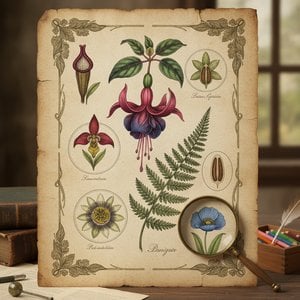
Discover the exquisite world of Victorian botanical art. Explore the intersection of scientific precision and luxury aesthetics through masterfully curated floral illustrations and hand-painted oil reproductions for discerning collectors and fine interiors.

Explore the exquisite intersection of science and art in botanical illustration. Discover the history, technical mastery, and timeless beauty of scientific floral studies from Renaissance masters to modern collectors.

Discover the exquisite intersection of science and fine art. Explore the history of scientific illustration, from botanical watercolor masters to nature's intricate geometry, through an expert lens of art history and technical precision.
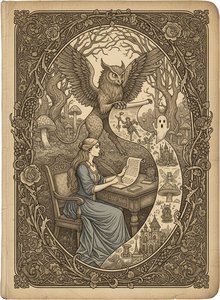
Explore the enchanting world of Victorian illustration. Discover the intricate details, romantic narratives, and historical significance of this golden age of art through our expert-led guide for fine art enthusiasts and collectors.

 Vorschau anzeigen
 Versenden
 Teilen
 Details anzeigen

 Herunterladen
 Ähnliche Objekte
 Röntgenaufnahme
 Diashow
 Weiterlesen







 Die Glasoption ist nur für Größen unter 110 cm verfügbar.


