Beschreibung des Sammlerstücks
Andy Warhol’s Mao: A Cool Observation of Celebrity
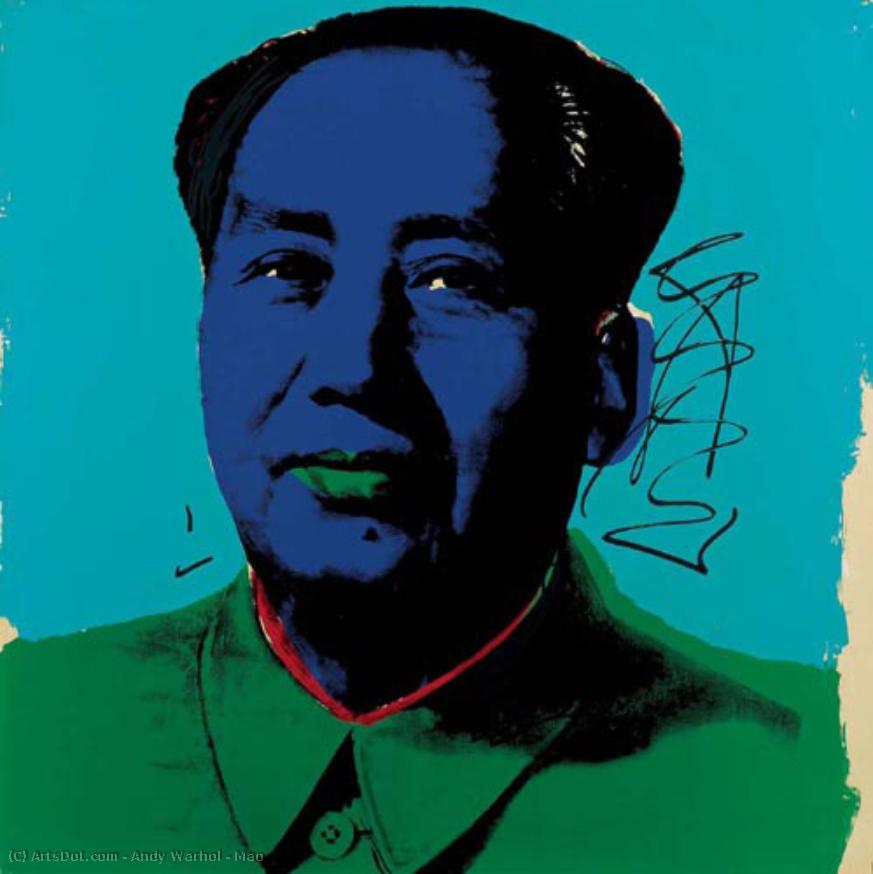
Andy Warhol's 1972 silkscreen portrait of Chairman Mao Zedong isn't merely an image; it’s a deliberate provocation, a fascinating collision between Western artistic sensibilities and the monumental propaganda of communist China. Emerging from a period marked by Nixon’s historic visit – a thawing of relations after decades of Cold War antagonism – Warhol seized upon Mao as his subject, not necessarily driven by ideological conviction, but rather because he represented, at that moment, the most recognizable face on Earth. This calculated choice speaks volumes about Warhol's artistic vision and his engagement with the cultural landscape of his time.
The Technique of Detachment: Silkscreen Printing and Seriality
Warhol’s mastery lay in his technique – silkscreen printing. Having honed his skills in commercial illustration, he understood the transformative power of mass production and repetition. The process itself—layering ink through a stencil onto canvas—creates an inherently mechanical quality to the image, stripping away the traditional reverence associated with portraiture. This deliberate flatness is amplified by Warhol’s bold use of color – vibrant blues, striking reds, and acidic greens – producing a visual dissonance that underscores the artwork's core concept: detachment. Furthermore, subtle imperfections inherent in the silkscreen process—minor misalignments and variations in color density—serve as reminders of this aesthetic strategy. It’s as if Mao is being processed through a machine, reduced to another commodity within the burgeoning consumer culture Warhol so keenly observed. The repetition of the image across numerous canvases – ranging from monumental 12 x 10 feet prints to smaller versions – echoes the relentless dissemination of propaganda, simultaneously undermining its authority by transforming it into an artistic series.
Symbolism and Cultural Commentary: Confronting Power
The symbolism embedded within *Mao* is multilayered and deliberately unsettling. On one level, Warhol’s appropriation reflects his fascination with celebrity culture and his blurring of boundaries between high art and popular imagery. He treated Mao much like Marilyn Monroe or Elvis Presley – elevating him to icon status while simultaneously distancing himself from any sentimental attachment. However, the selection of Mao specifically adds another dimension, engaging directly with themes of political ideology, cultural revolution, and the cult of personality. Warhol’s audacious use of color isn't simply decorative; it serves as a commentary on the realities of Mao Zedong’s regime – a stark contrast to the idealized representations prevalent during the Cultural Revolution. The artwork doesn’t offer easy answers; instead, it compels viewers to question notions of power, image, and perception. Warhol deliberately avoids glorifying Mao, presenting him as an object of observation rather than veneration.
An Enduring Legacy: Warhol's Influence on Contemporary Art
Andy Warhol’s *Mao* remains one of his most iconic works, continuing to resonate with artists today who explore themes of celebrity, politics, and mass media. It stands as a testament to Warhol’s ability to synthesize seemingly disparate elements—commercial illustration and political critique—into a single unforgettable image. Collectors and interior designers alike recognize *Mao*'s significance not only for its aesthetic qualities but also for its intellectual provocation. Reproductions of this artwork offer more than just visual beauty; they invite dialogue about art's role in shaping cultural understanding and confronting uncomfortable truths – a legacy that Warhol cemented as one of the most influential figures of the second half of the 20th century.



 Gemälde kaufen
 Versenden
 Teilen
 Details anzeigen

 Herunterladen
 Ähnliche Objekte
 Röntgenaufnahme
 Diashow anzeigen

 Weiterlesen






































 Die Glasoption ist nur in Größen unter 110 cm verfügbar.