In echtem Maßstab anzeigen In AR an der Wand sehen Handgemalte Reproduktion kaufen Zum digitalen Bild wechseln Versenden als Grußkarte
Details anzeigen Leitfaden Zu Favoriten hinzufügen Herunterladen Ähnliche Objekte Röntgenaufnahme Diashow Besucherstatistiken

Untitled (study for

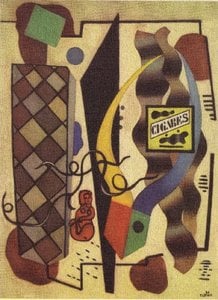
This artwork is a bold exploration of abstraction featuring geometric shapes and expressive blues and reds. Inspired by early Cubism and Expressionism, it showcases Souza-Cardoso's pioneering spirit in Portuguese art.

Entdecken Sie Amadeo de Souza-Cardoso (1887-1918), portugiesischer Pionier der Moderne! Kubismus & Futurismus prägen seine lebendigen, abstrakten Werke.

Giclée / Kunstdruck

Giclée- oder Leinwanddruck in Museumsqualität mit schneller Produktion und flexiblen Veredelungsoptionen. ( Handgemalte Reproduktion kaufen Zum digitalen Bild wechseln)

P118B $10
P118H $10
P118W $10
P438Z $10
P508JH $12
P508YH $12
P805H $10
P805Z $10
P919BZ $10
P919G $10
P919XJ $10
P959ZH $10
P968JZ $12
W106C $8
W218G $10
W218JH $8
W218Y $10
W307PJ $10
W316G $10
W316PJ $8
W316Y $10
W398PJ $8
W4111J $10
W500HY $15
W500JH $15
W692G $12
W849H $8
W940BG $15
W953PJ $8

Standardformat
individuell anpassbar
CM
INCH

Wählen Sie aus unseren vordefinierten Formaten, die den ursprünglichen Proportionen des Kunstwerks entsprechen.

Breite
Höhe

Sie können Ihre eigenen Maße eingeben, um ein bestimmtes Format oder einen speziellen Platz einzupassen. Wenn das von Ihnen gewählte Format nicht den Proportionen des Originalbildes entspricht, werden wir das Kunstwerk entweder beschneiden oder das Bild mit einem gespiegelten oder einfarbigen Rand erweitern. Ein digitaler Entwurf wird Ihnen zur Genehmigung zugesandt, bevor die Produktion beginnt.
Bitte beachten Sie, dass die Vorschau auf dem Bildschirm nicht den tatsächlichen Zuschnitt oder die Erweiterung widerspiegelt. Nur der Entwurf zeigt die endgültige Komposition präzise an.
Obwohl Sondermaße verfügbar sind, empfehlen wir die Auswahl eines Maßes aus der vordefinierten Liste, um die ursprünglichen Proportionen zu bewahren.

Weltweiter Versand () innerhalb von 2 Wochen statt der üblichen 4/5 Wochen. (24 September)

why_choose_icon
Kostenloser weltweiter Expressversand
why_choose_icon
Hochwertige Leinenleinwand
why_choose_icon
Vollständiger Versicherungsschutz beim Versand
why_choose_icon
Zollgebühren-Rückerstattungsgarantie
why_choose_icon
Garantie für exakte Farbtreue
why_choose_icon
100-tägiges Rückgaberecht (nur bei Mängeln)
why_choose_icon
100% Geld-zurück-Garantie
why_choose_icon
Angebot für Mengenrabatt

Gesamtpreis

$ 68

reproduction

Untitled (study for

Giclée / Kunstdruck

Format der Reproduktion

-

Gesamtpreis

$ 68

Kurzübersicht

  • Influences: Futurism
  • Notable elements or techniques: Bold colors, geometric shapes
  • Medium: Watercolor/Gouache on paper
  • Location: Private Collection
  • Movement: Modernism
  • Dimensions: 33 x 28 cm
  • Artistic style: Cubism/Expressionism

Kunst-Quiz

Jede Frage hat nur eine richtige Antwort.

Frage 1:
What artistic movement is Amadeo de Souza-Cardoso’s Untitled (study for) most closely associated with?
Frage 2:
The image description mentions a ‘dynamic and abstract composition.’ What does this suggest about Souza-Cardoso’s approach to painting?
Frage 3:
What medium is likely used in the artwork based on its appearance?
Frage 4:
The color palette described as ‘dominated by blues and reds’ reflects a characteristic feature of which artistic style?
Frage 5:
Considering Souza-Cardoso's connections with Parisian artists like Brancusi and Delaunay, what broader context does this artwork represent?

A Fragmented Vision of Modernity: Analyzing Amadeo de Souza-Cardoso’s “Untitled (study for )”

“Untitled (study for )”, executed in 1915 by Portuguese modernist painter Amadeo de Souza-Cardoso, stands as a testament to the burgeoning artistic fervor of its time—a pivotal moment where European avant-garde movements wrestled with capturing the dynamism and complexity of the modern experience. More than just pigment on paper, this piece embodies a profound engagement with Cubism’s revolutionary exploration of spatial perception and the expressive potential of color, establishing Souza-Cardoso as one of Portugal's foremost champions of artistic innovation amidst the broader European landscape.

Composition and Technique: Embracing Instability

The artwork’s visual impact immediately commands attention through its strikingly asymmetrical composition. Geometric shapes—primarily rectangles and squares—overlap and intersect with disconcerting abandon, creating a palpable sense of movement and disrupting any conventional notion of equilibrium. Souza-Cardoso eschews meticulous detail in favor of loose brushstrokes and broad color blocks, prioritizing expressive gesture over precise representation. This technique – characteristic of the early Cubist experimentation – reflects a desire to dismantle traditional artistic conventions and convey an emotional response to the subject matter rather than simply mirroring reality. The subtle variations in opacity within the paint layers contribute to textural interest without resorting to overtly decorative elements.

Color Palette: A Clash of Emotion

Dominating the canvas is a vibrant color palette dominated by hues of blue and red, punctuated by flashes of yellow, green, and purple. These colors aren’t blended harmoniously; instead, they are applied in bold strokes that create a jarring juxtaposition—a deliberate provocation designed to stimulate visual perception. The strategic use of warm reds against cool blues underscores the inherent tension within the composition, mirroring perhaps the anxieties and uncertainties prevalent during Souza-Cardoso's era. This chromatic dissonance speaks volumes about the artist’s intention to communicate feeling rather than simply depicting form.

Symbolism and Context: Echoes of Parisian Avant-Garde

Beyond its formal qualities, “Untitled (study for )” carries symbolic weight rooted in the intellectual currents circulating within Paris during Souza-Cardoso's formative years. Influenced by figures like Picasso and Gris, he actively participated in the dialogue between Portuguese art and the revolutionary ideas of Cubism—a movement that sought to challenge perspectival illusion and represent objects from multiple viewpoints simultaneously. The inclusion of “Corporation” – a simple inscription – adds another layer of meaning, hinting at broader concerns about social identity and artistic patronage within Portugal’s cultural milieu. It serves as a reminder that Souza-Cardoso's work wasn't merely an aesthetic exercise but also a reflection of his engagement with the pressing questions of his time.

Concluding Impression: A Legacy of Bold Experimentation

Ultimately, “Untitled (study for )” transcends its technical merits to convey a powerful emotional resonance—a feeling of restless energy and intellectual curiosity. Souza-Cardoso’s masterful manipulation of color and form encapsulates the spirit of early modernism, demonstrating an unwavering commitment to artistic innovation and establishing himself as a cornerstone of Portuguese art history. It remains a compelling visual testament to the transformative power of abstraction and the enduring fascination with capturing the complexities of human experience through unconventional stylistic choices.

Biografie des Künstlers

Frühes Leben und Ausbildung

Amadeo de Souza-Cardoso, ein bahnbrechender portugiesischer Maler, wurde am 14. November 1887 in Mancelos, einer Gemeinde von Amarante, geboren. Mit 18 Jahren schrieb er sich an der Superior School of Fine Arts in Lissabon ein, was den Beginn seiner künstlerischen Reise markierte. Ein Jahr später zog er nach Paris, wo er zunächst Architektur studierte, aber bald seinen Schwerpunkt auf die Malerei verlagerte und sich insbesondere im Karikaturenzeichnen auszeichnete.

Künstlerische Entwicklung und Einflüsse

Bereits 1910 begann der Stil von Amadeo de Souza-Cardoso, Einflüsse des Kubismus und Futurismus widerzuspiegeln, was ihn zu einem der ersten modernen portugiesischen Maler machte. Seine Werke zeichnen sich durch ihre aggressive und lebendige Form und Farbe aus, wobei die kompositorische Struktur auf den ersten Blick vielleicht zufällig oder chaotisch erscheint, aber in Wirklichkeit klar definiert und ausgewogen ist.

Wichtige Ausstellungen und Assoziationen

Vermächtnis und Erinnerung

Trotz seines frühen Todes im Alter von 30 Jahren besteht Amadeo de Souza-Cardos os Vermächtnis fort. Seine Arbeit war Gegenstand zweier großer Retrospektiven, eine davon 1958 und die andere 2016 im Grand Palais in Paris. Heute sind seine Gemälde in verschiedenen Museen zu finden, darunter das Plymouth City Museum and Art Gallery, in dem auch Werke anderer bemerkenswerter Künstler wie Harold Riley, Henry Harris Lines und Edmund John Niemann ausgestellt sind. Wichtige Punkte:
  • Innovativer Stil: Amadeo de Souza-Cardos os bahnbrechender Ansatz für die moderne portugiesische Kunst.
  • Früher Tod: Er starb am 25. Oktober 1918 im Alter von 30 Jahren.
  • Vermächtnis: Seine Arbeit inspiriert und beeinflusst weiterhin zeitgenössische Künstler.

Zusätzliche Informationen

Schlussfolgerung

Amadeo de Souza-Cardos os kurzes, aber wirkungsvolles Wirken hat ihre Spuren in der Welt der Kunst hinterlassen. Sein innovativer Stil und seine Beiträge zur modernen portugiesischen Kunst faszinieren Kunstliebhaber auf der ganzen Welt weiterhin und sorgen dafür, dass sein Vermächtnis für kommende Generationen erhalten bleibt.

Amadeo Souza Cardoso

Amadeo Souza Cardoso

1887 - 1918 , Portugal

Eckdaten zum Künstler

  • Bemerkenswerte Werke:
    • Saut du Lapin (1911)
    • Cabeça (1913)
    • Entrada (1917)
    • Pintura (1917)
  • Einflüsse:
    • Pablo Picasso
    • Juan Gris
    • Amedeo Modigliani
  • Geburtsdatum: 14. November 1887
  • Geburtsort: Mancelos, Portugal
  • Künstlerische Richtung: Modernismus, Kubismus, Futurismus
  • Nationalität: Portugiesisch
  • Todatum: 25. Oktober 1918
  • Vollständiger Name: Amadeo de Souza-Cardoso
Entdecken Sie Kunstwerke, die nach Themen, Stilen und Merkmalen sortiert sind.