
1
Francis Jeffrey (1773–1850), Lord Jeffrey, Judge and Critic
Håndmalet oliereproduktion fra $181 29 × 35 cm

Maleriet, der gjorde John Pairman berømt, er Francis Jeffrey (1773–1850), Lord Jeffrey, Judge and Critic (1823); det hænger på Scottish National Portrait Gallery i Edinburgh. Rachel Davidson (1838) og Bridge over River Almond (1843) følger efter i samlernes og museumsgæsternes hjerter. Af de 13 værker af John Pairman i vores katalog er disse 13 de mest beundrede, hver præsenteret med sit årstal, sit museum og det, der gør værket unikt.
Rangordnet efter vores popularitetsscore, som kombinerer søgninger, besøg og ordrer for hvert værk. Opdateret november 2026. Hvert mesterværk på denne side kan bestilles som en håndmalet oliereproduktion i museumskvalitet eller som et kunsttryk i den størrelse, du vælger.




De 5 museer, der rummer flest af malerierne på denne side.
| Museum | By | Værker af John Pairman | Malerier fra denne liste |
|---|---|---|---|
 Moat Park Heritage Centre |
Biggar | 5 | Mrs Brown, Female Study, John Lamb of Carmichael |
 Gladstone Court |
Biggar | 4 | Rachel Davidson, Bridge over River Almond, Symington |
 Scottish National Portrait Gallery |
Edinburgh | 2 | Francis Jeffrey (1773–1850), Lord Jeffrey, Judge and Critic, John Pairman (1788–1843), Artist, Self Portrait |
 The Hunterian Museum and Art Gallery |
Glasgow | 1 | A Cottage Interior |
 Holy Trinity Chapel |
Biggar | 1 | Family of Travellers Resting by a Donkey |


Francis Jeffrey (1773–1850), Lord Jeffrey, Judge and Critic (1823), Scottish National Portrait Gallery, Edinburgh. Derefter følger Rachel Davidson (1838) og Bridge over River Almond (1843).
35 år gammel: Francis Jeffrey (1773–1850), Lord Jeffrey, Judge and Critic er fra 1823, og John Pairman blev født i 1788.
Francis Jeffrey (1773–1850), Lord Jeffrey, Judge and Critic, Rachel Davidson, Bridge over River Almond, Mrs Brown, Female Study, Symington, A Cottage Interior, Robert Pairman (1782 1784–1867), John Lamb of Carmichael og Janet (Jess) Brown, Wife of Dr David Smith. Ranglisten ovenfor angiver årstallet og museet for hver af dem.
Vores katalog indeholder 13 værker af John Pairman, dateret fra 1823 til 1843.
De fleste af dem findes i Moat Park Heritage Centre (Biggar), Gladstone Court (Biggar) og Scottish National Portrait Gallery (Edinburgh). Tabellen ovenfor lister museerne enkeltvis.
Det tidligste på denne side er Francis Jeffrey (1773–1850), Lord Jeffrey, Judge and Critic (1823), det seneste Bridge over River Almond (1843).
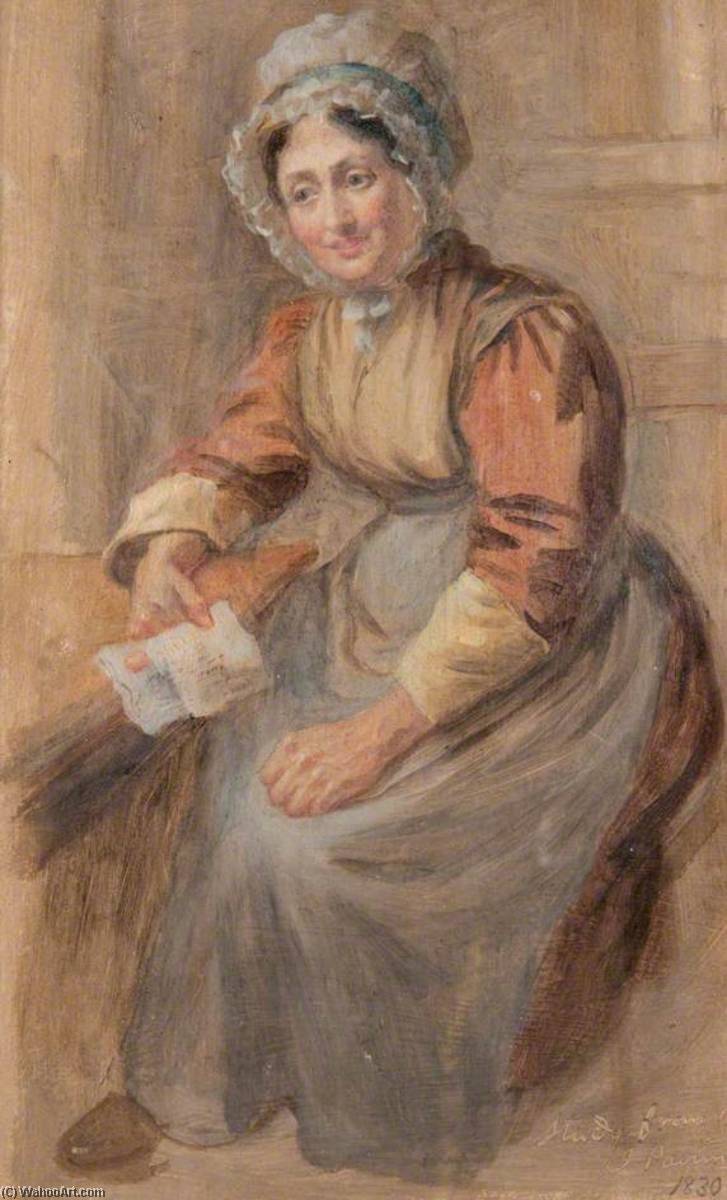
Mrs Brown, Female Study og John Lamb of Carmichael er blandt de 5 værker på denne side, som er i Moat Park Heritage Centre, Biggar's samling.
Ja. Hvert maleri på denne side kan bestilles som en håndmalet oliereproduktion i museums kvalitet eller som et kunstprint i den størrelse, du ønsker, direkte fra maleriets egen side.
John Pairman (1788–1843) stands as a significant figure in the burgeoning landscape movement of early 19th-century Britain, yet his artistic legacy extends far beyond mere topographical representation. Born in Edinburgh, Scotland, Pairman’s formative years coincided with the rise of Romanticism—a cultural aesthetic prioritizing emotion and imagination over rational observation—influencing profoundly his artistic vision.
Pairman distinguished himself from his contemporaries through a remarkable dedication to landscape painting—a genre increasingly favored by artists seeking to express profound feelings and spiritual contemplation. Unlike many painters who adhered to strict academic conventions, Pairman embraced loose brushwork and vibrant color palettes, prioritizing atmospheric effects over precise detail.
Alongside his landscape paintings, Pairman produced a substantial body of portrait commissions—primarily depicting prominent figures from Scottish society. His portraits are notable for their sensitivity and psychological accuracy, capturing not only physical likeness but also the inner life of his subjects.
John Pairman’s contribution to Scottish art history is undeniable—he remains one of the foremost landscape painters of his era. His works continue to inspire admiration for their expressive power and technical virtuosity, securing his place as a pivotal figure in the Romantic movement.


