Francis Haymans dramatiske vision
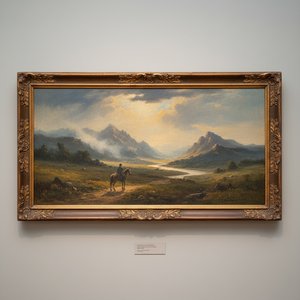
I det levende og skiftende landskab i det attende århundredes britiske kunst, besad få skikkelser den alsidige genialitet, som Francis Hayman udviste. Hayman, der blev født i Exeter i 1708, var ikke blot en iagttager af sin tids kulturelle udvikling; han formede aktivt dens visuelle sprog. Hans rejse begyndte langt fra Londons raffinerede gallerier, rodfæstet i den flygtige og intense verden af teaterscenografi. Denne tidlige fordybelse i de dramatiske kunstarter gav ham en unik fordel og indprentede ham en dyb forståelse for komposition, lys og narrativ spænding, som senere skulle definere hans mesterskab inden for rokoko-stilen. Da han overgik fra at være scenemaler til en uafhængig kunstner i St Martin's Lane, medbragte Hayman en historiefortællers sjæl, der var i stand til at transformere et statisk lærred til et vindue mod et teatralsk øjeblik.
Den æstetiske essens i Haymans værk er dybt sammenvævet med rokokoen, en epoke karakteriseret ved ynde, ornamentik og en vis letbenet elegance. Inspireret af de overdådige franske mestre som François Boucher, omfavnede Hayman en palet af delikate pastelfarver og flydende, rytmiske penselstrøg. Dog var hans arbejde aldrig rent dekorativt; det besad en strukturel integritet formet af klassiske idealer. Gennem sin forbindelse til Londons spirende intellektuelle kredse integrerede han en følelse af proportion og form, der gjorde det mulksom hans portrætter at transcendere blot lighed og i stedet indfange selve essensen af karakter og social status.
En arv af Royal Academy og narrativt mesterskab
Haymans historiske betydning er forankret i hans fundamentale rolle ved etableringen af Royal Academy. Som et af de grundlæggende medlemmer og institutionens første bibliotekar var han med til at lægge grundstenen for professionelle kunstneriske standarder i Storbritannien. Denne indflydelsesrige position gjorde det muligt for ham at bygge bro mellem massernes populære, ofte larmende underholdning og den akademiske elites ophøjede bestræbelser. Hans evne til at navigere i disse forskellige verdener ses måske bedst i hans mangfoldige produktion, der spænder fra det monumentale til det intime.
Hans kunstneriske repertoire var bemærkelsesværdigt omfattende og udviste et talent, der med ubesværet lethed kunne skifte mellem genrer:
- Teatralske og litterære scener: Hayman besad en sjælden evne til at puste liv i litteraturen ved at skabe stemningsfulde skildringer af Shakespeares dramaer og livlige scener fra Don Quixote, såsom det livlige øjeblik, hvor kroejeren slår ridderen til ridder.
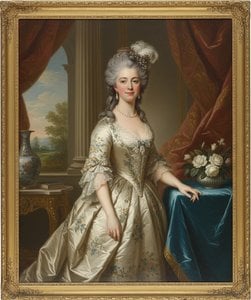
- Portrætkunst: Han blev en efterspurgt kronikør af sin tid, der indfangede karismaen hos legendariske skuespillere som David Garrick og den aristokratiske elegance hos skikkelser som Dr. Charles Chauncey.
- Dekorative bestillingsværker: Hans arbejde for Vauxhall Pleasure Gardens demonstrerede hans evne til storslået historiefortælling, hvor han brugte kunsten til at berige offentlighedens sanselige oplevelse af fritid og glæde.
- Bibelske og mytologiske temaer: Gennem værker som Den gode samaritaner benyttede Hayman sin rokoko-sensibilitet til at udforske dybe temaer om medfølelse, velgørenhed og guddommelig interaktion.
I sidste ende var Francis Haymans liv et vidnesbyrd om den visuelle historiefortællings kraft. Ved at forene scenens teatralske kvaliteter med rokokoens raffinerede elegance skabte han en samling værker, der forbliver et vitalt vindue ind i oplysningstiden. Hans arv lever ikke kun videre i de lærreder, der bærer hans navn, men i selve strukturen af den britiske kunsthistorie, hvilket markerer ham som en sand pioner, der var med til at hæve malerens status fra håndværker til akademisk mester.
Spørgsmål og svar
Hvor kan man finde Francis Haymans kunstværker organiseret efter farve?
Siden Farveindeks organiserer Francis Haymans værker efter farve.
Hvilken by og hvilket land er Francis Hayman født i?
Francis Hayman blev født i Exeter, i Storbritannien.
Hvordan finder jeg værker af Francis Hayman inden for et specifikt tema?
Udforsk Francis Haymans værker via nøgleord på kunstnerens Efter nøgleord-side, hvor hvert nøgleord samler de relaterede kunstværker.