Kunstnerens biografi
A Life Painted in Emotion: The World of Vincent van Gogh
Vincent Willem van Gogh, et af kunsthistoriens mest ikoniske og elskede figurer, er fortsat en central figur i vestlig kunst. Han blev født den 30. marts 1853 i Groot-Zundert, Holland, og hans liv var ikke præget af øjeblikkelig anerkendelse, men snarere en langsom udvikling af dedikation, kamp og til sidst dybtgående indflydelse. Som det ældste barn af en protestantisk prædikant, Theodorus van Gogh, var Vincents tidlige liv præget af religiøs refleksion – en følelse, der subtilt ville gennemsyde meget af hans senere arbejde. Selvom han fra en ung alder viste en tilbøjelighed mod tegning, var hans vej ikke umiddelbart klar; han udforskede forskellige erhverv – kunsthandler, lærer og missionær – før han fuldt ud omfavnede livet som kunstner. Disse oplevelser, selvom de virkede disparate, viste sig at være formative, og indgydede ham en dyb medfølelse for arbejderklassen og en dyb åndelig søgen, der ville blive kendetegnende for hans kunstneriske vision. Tidlige påvirkninger inkluderede hollandske mestre som Rembrandt van Rijn og Frans Hals, hvis mesterlige brug af lys og skygge resonerede med den unge Vincent, samt samtidige franske malere Jean-François Millet og Camille Corot, der portrætterede landliv med en hjerteskærende realisme.
Fra Mørke til Lys: Kunstnerisk Udvikling og Stil
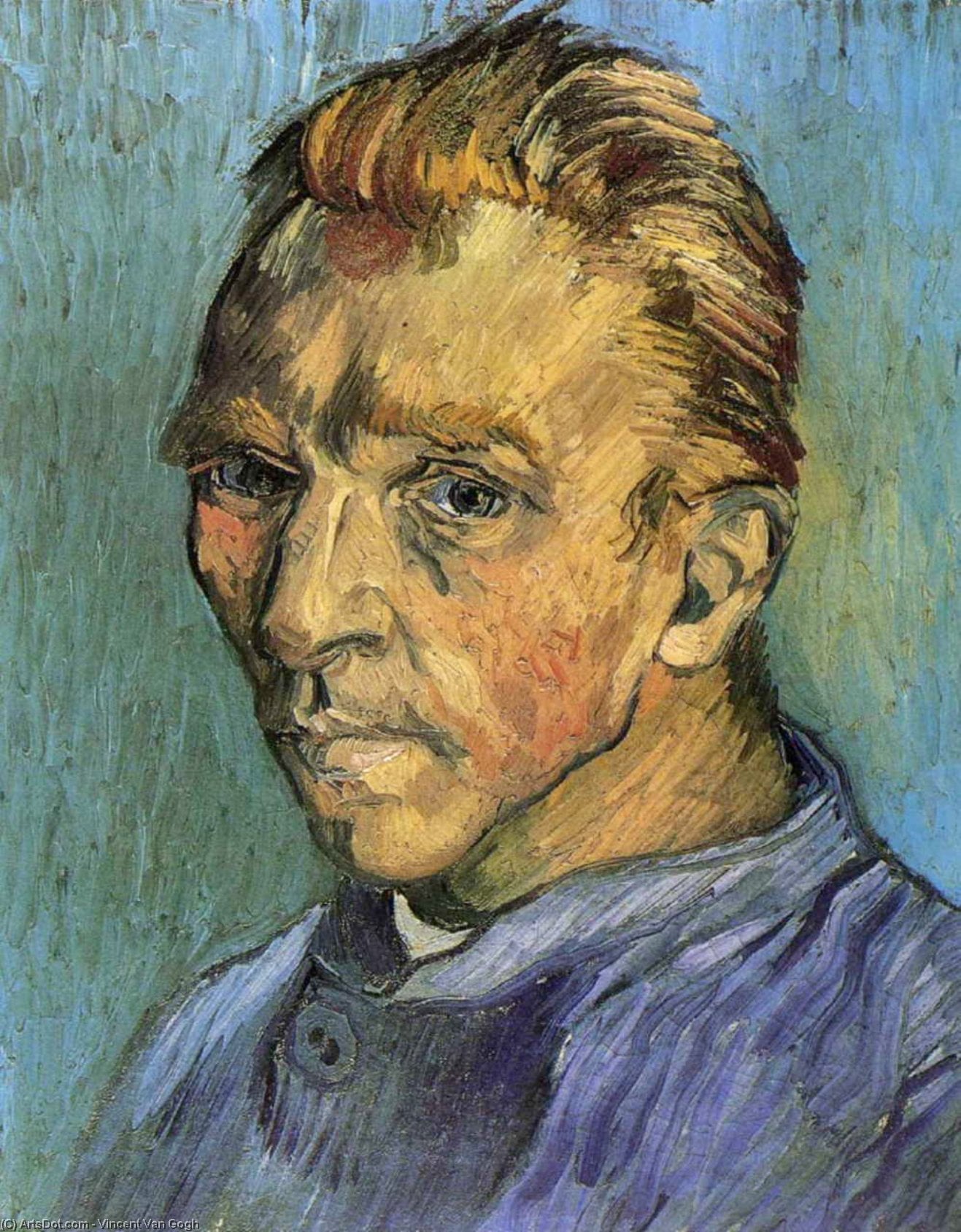
Van Goghs seriøse engagement med maleri begyndte omkring 1880, primært selvlært, drevet af en indre trang til at udtrykke verden som han oplevede den. Hans tidlige værker afspejlede hans medfølelse med de marginaliserede – portrætteret i stykker som *The Potato Eaters*. Disse tidlige malerier er karakteriseret ved mørke, jordiske toner og en rå, næsten brutal ærlighed, der søgte at fange vanskeligheden og værdigheden i det landlige liv. Et vendepunkt kom med hans flytning til Paris i 1886, hvor han blev udsat for den pulserende verden af Impressionisme og Post-Impressionisme. Denne konfrontation var transformerende, og introducerede lysere farver i hans palet og opfordrede til eksperimenter med nye teknikker. Han absorberede lektionerne fra kunstnere som Monet, Renoir og Pissarro, men adopterede aldrig fuldt ud deres stil; snarere skabte han sin egen unikke vej. Hans distinkte stil udviklede sig hurtigt og blev straks genkendelig for sine dristige farver, udtryksfulde penselstrøg og følelsesmæssige intensitet. Van Gogh forsøgte ikke blot at *repræsentere* virkeligheden; han søgte at formidle følelsen af at være inden i den, ved hjælp af impasto – tykke lag maling – for at skabe tekstur og indgyde hans lærred med en mærkbar energi. Denne teknik var ikke blot æstetisk; den var en integreret del af hans udtrykssprog, der tillod ham at oversætte indre uro og ekstatiske glæde til lærredet.
Perioder af Intensitet: Nøgleværker og Kunstneriske Faser
Van Goghs kunstneriske rejse kan groft opdeles i distinkte perioder, hver præget af unikke karakteristika og betydelige værker. Den hollandske periode (1880-1886) var defineret af dæmpede toner og portrætter af landarbejdere. Den efterfølgende parisiske periode (1886-1888) så en dramatisk forandring mod lysere farver og eksperimenter med impressionistiske teknikker. Men det var i løbet af den Arles-periode (1888-1889), i Provence, at Van Gogh nåede et højdepunkt af kreativ intensitet. Omgivet af det strålende lys og de livlige landskaber i Provence skabte han nogle af sine mest ikoniske værker: *Sunflowers*, *The Night Café* og *Starry Night Over the Rhône*. Disse malerier er ikke blot billeder af scener; de er følelsesmæssige landskaber, pulserende med liv og indgydede med en længsel. Hans karakteristiske brug af farver, forvrængede former og udtryksfulde penselstrøg banede vejen for udviklingen af expressionisme i moderne kunst.
En Arv Skabt i Lidelse: Opnåelser og Historisk Betydning
Trods at han stod overfor afvisning og kæmpede med psykiske lidelser gennem hele sit liv, skabte Van Gogh over 2.100 værker på lidt over et årti – cirka 860 oliemalerier. Denne imponerende produktion er et vidnesbyrd om hans urokkelige dedikation og konstante kreative drivkraft. Bemærkelsesværdigt var kun ét maleri, *The Red Vineyard*, solgt i løbet af hans levetid. Anerkendelsen kom posthumt, langsomt til at begynde med, derefter med stigende momentum i de tidlige 1900-tal. Hans kunst har haft en dybtgående indflydelse på udviklingen af moderne kunst, især expressionisme og fauvisme, og inspirerede kunstnere til at prioritere følelsesmæssigt udtryk frem for realistisk repræsentation. Hans dristige brug af farver, forvrængede former og udtryksfulde penselstrøg banede vejen for nye kunstneriske muligheder. I dag er Van Goghs malerier blandt de mest genkendelige og værdifulde værker i verden, der opnår rekordpriser på auktion og tiltrækker millioner af besøgende til museer over hele verden. Men hans arv strækker sig langt ud over monetær værdi; han forbliver en kulturel ikon, der repræsenterer arketypen for den "lidende kunstner" – selvom denne fortælling ofte skygger over hans talent, dedikation og kunstneriske vision. Van Gogh-museet i Amsterdam står som et vidnesbyrd om hans vedvarende indflydelse, der viser hans arbejde og fejrer hans liv for kommende generationer. Hans kunst resonerer stadig med publikum, fordi den taler til universelle menneskelige oplevelser – kærlighed, tab, håb, fortvivlelse – med ærlighed og sårbarhed, der transcenderer tid og kultur.


 Se i fuld skala
 Køb håndlavet maleri
 Del
Del Del
Del
 Detaljer

 Download
 Lignende værker
 Røntgenundersøgelse
 Diasshow
 Stats
Stats


 Se mere






































 Glasmulighed er kun tilgængelig i størrelser under 110 cm





![Irisser [1889]](/media/artworks/images-thumb/ca/85/ca85582a4fd1dc392efef83ec4dc3124.jpg)


