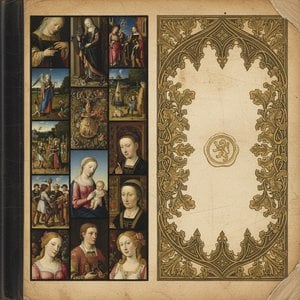
En flamsk mester ved Europas hoff
Sir Anthony van Dyck, født i Antwerpen i 1599, trådte frem som en af de mest berømte og indflydelsesrige portrætkunstnere i Baroktiden. Hans liv, tragisk afkortet ved blot 42 års alderen, var en vildturlig rejse af kunstnerisk udforskning og prestigefyldte bestillingsopgaver, der førte ham fra hans fødeplads Flandern til Italien og endelig til hjertet af den engelske hof. Fra en tidlig alder viste van Dyck bemærkelsesværdige talenter, hvor han som ung lærling trådte ind i Hendrick van Balens værksted og hurtigt absorberede de gældende stilarter på det tidspunkt. Men det var hans forbindelse med Peter Paul Rubens – ikke blot som elev, men som samarbejdspartner – der virkelig formede hans kunstneriske fundament. Han lærte af Rubenso’s dynamiske kompositioner, rige farvepaletter og mesterskab i at håndtere lys og skygge, men van Dyck begyndte hurtigt at forme sin egen distinkte vej, en præget af elegance og raffinement, der ville blive hans signatur.
Italienske ophold og fødslen af en stil
De år, van Dyck tilbragte i Italien, begyndende omkring 1621, viste sig at være afgørende for hans kunstneriske udvikling. Han boede primært i Genova, hvor han fandt gunst hos byens aristokratiske familier. Det var her, han begyndte at kultivere den sofistikerede stil, han ville blive kendt for – en stil karakteriseret ved elegante positurer, luksuriøse stofdele og en næsten palpelig følelse af ærefrygt. I modsætning til Rubenso’s ofte robuste energi eksuderede van Dyck’s italienske portrætter en raffineret behagelighed, der fangede ikke kun fysisk lighed, men også den indre karakter og sociale status hos hans modtageres. Under denne periode tog han også *Iconografien*, en række minutiøst udarbejdede portræt-trykkort, der indeholdt prominente figurer fra sin tid – kunstnere, lærde og herskere. Dette projekt viste hans exceptionelle tekniske færdigheder og etablerede ham som en førende graver. Disse trykkort var ikke blot optagelser; de var omhyggeligt konstruerede billeder designet til at immortaliserer emnerne og formidle deres status og intellekt.
Den kongelige maler: Van Dyck i England
I 1632 modtog van Dyck en invitation, der for altid ændrede hans karriereforløb – en opfordring fra Charles I af England til at blive hofmaler. Denne udnævnelse markerede et vendepunkt, ikke kun for van Dyck, men også for engelsk portrætkunst. Han ankom til London med en betydelig ry og hurtigt blev uundværlig for kongen, blevet sat til at skabe billeder, der projicerede et aura af magt, værdighed og guddommelig ret. Van Dyck’s portrætter af Charles I er særligt bemærkelsesværdige; han bevægede sig væk fra de stive, formelle repræsentationer, som tidligere kunstnere foretog sig, i stedet for at male kongen som en dynamisk, karismatisk leder. Han anvendte innovative teknikker – dramatisk belysning, strøbende gestikulationer og omhyggeligt udvalgte baggrunde – til at skabe billeder, der var både visuelt betagende og politisk ladede. Hans indflydelse spredtes ud over den kongelige familie og formåede at forme den engelske aristokratiets visuelle kultur i generationer fremover. Han malede ikke blot portrætter; han skabte et billede af kongedømmet, der påvirkede, hvordan monarkiet blev opfattet i over et århundrede.
Arv og vedvarende indflydelse
Van Dyck’s pludselige død i 1641 fratog kunstverdenen en stor talentfuld person, men hans arv lever videre til denne dag. Hans indflydelse på engelsk portrætkunst er uforståelig; han etablerede en standard for elegance og raffinement, som efterfølgende kunstnere stræbte efter at imitere.
- Teknisk innovation: Han var en mester i både oliemaleri og gravering, konstant eksperimenterende med nye teknikker.
- Stilistisk raffinement: Hans portrætter er karakteriseret ved deres elegante positurer, luksuriøse stofdele og subtile psykologiske indsigter.
- Hoflig indflydelse: Han transformerede billedet af det engelske monarki, skabte et visuelt sprog for magt og værdighed.
Ud over sin tekniske dygtighed besad van Dyck en exceptionel evne til at fange essensen af sine modtagere – deres personlighed, deres sociale status og deres ambitioner. Hans værker fortsætter med at fange publikums opmærksomhed med deres skønhed, elegance og vedvarende psykologiske dybde. *Balbi Børnene*, *Charles I i tre positioner* og utallige andre mesterværker står som vidnesbyrd om hans geni og sikrer, at Sir Anthony van Dyck forbliver en af de mest berømte kunstnere i Baroktiden. Hans indflydelse kan stadig ses i dag i mode, fotografi og nutidig portrætkunst – et bevis på kunsten’s tidløse appel.



 Se i fuld skala
 Switch to Print
 Del
Del Del
Del
 Detaljer

 Download
 Lignende værker
 Røntgenundersøgelse
 Diasshow
 Stats
Stats


 Se mere






































 Glasmulighed er kun tilgængelig i størrelser under 110 cm