


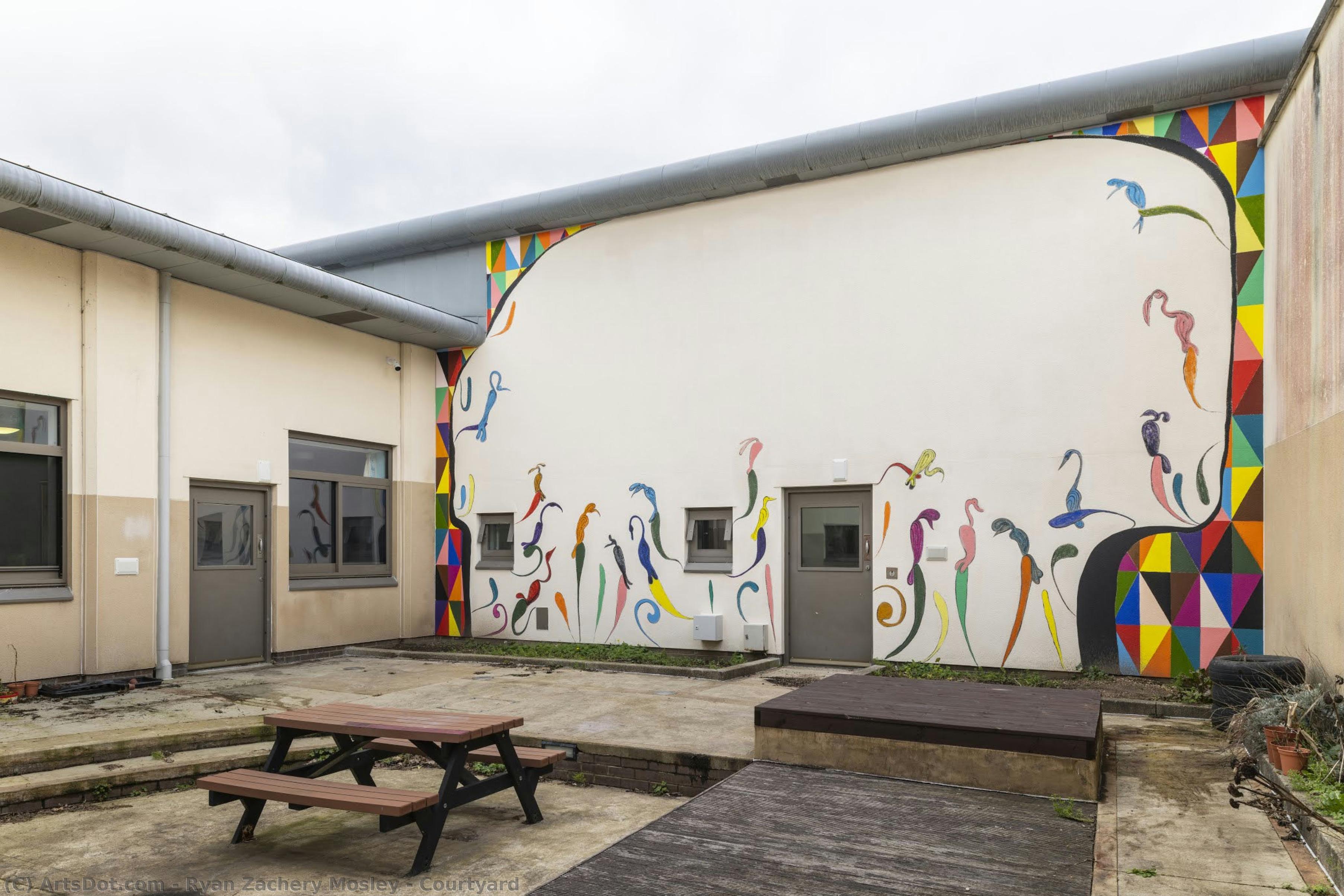
Køb et højopløst, forbedret digitalt billede, der er langt bedre end online-forhåndsvisningen.
Hver fil er omhyggeligt forberedt af vores interne specialister ved hjælp af avancerede værktøjer og ekspertmæssig manuel retuschering. Vi sikrer, at hvert billede har enestående klarhed, præcis farvegengivelse og fine detaljer.
Den endelige fil leveres via e-mail inden for 72 timer og er optimeret til øjeblikkelig brug i professionelle, redaktionelle og trykte miljøer. Det er den samme kvalitet, som førende designstudier, forlag og gallerier har tillid til.
Download en højopløselig fil til personlig fremvisning, print og kreative projekter. ( Køb print Køb håndlavet maleri)
Når du vælger WahooArt.com, får du ikke blot et billede – du modtager et professionelt optimeret digitalt kunstværk, skabt med præcision og sikret med en tilfredshedsgaranti. Her er alt, hvad din ordre automatisk indeholder:

Din højkvalitets digitale billedfil vil blive sendt til din e-mail inden for 72 timer efter bestilling – klar til øjeblikkelig brug.

Dit kunstværk optimeres professionelt ved hjælp af avancerede AI-værktøjer og manuel redigering, hvilket sikrer maksimal detaljegrad, klarhed og farvenøjagtighed.

Har du ved en fejl slettet eller mistet din fil? Ingen bekymring – vi sender den igen til enhver tid, helt gratis.

Nyd dit kunstværk med det samme uden told, afgifter eller leveringsgebyrer – digitale downloads er altid skattefrie.

Vi sikrer, at dit digitale billede gengiver de originale farver så præcist som muligt ved hjælp af professionelle værktøjer og farvestyring.

Hvis du ikke er tilfreds med dit digitale billede, vil vi revidere det eller refundere 100% inden for 100 dage – uden spørgsmål.

Ik tilfreds? Få fuld refusion inden for 100 dage efter modtagelse af din digitale fil – uden spørgsmål.

Køb 3 billeder, spar 10% - Køb 5, spar 15% - Køb 10+, spar 20%. Ideelt til kreative projekter, gallerier og bureauer.

Born in Brooklyn, New York City, on December 22, 1960, Jean-Michel Basquiat emerged from the vibrant, chaotic crucible of the Lower East Side during the late 1970s and early 1980s. His life was tragically cut short at the age of 27 in August 1988 due to a heroin overdose, but his impact on the art world—and beyond—remains profound. Basquiat’s work wasn't simply about creating beautiful images; it was a raw, urgent expression of identity, social commentary, and the complexities of being Black in America during a period of immense change and struggle.
Initially collaborating with Al Diaz under the moniker SAMO (Street Art Message Operations), Basquiat and Diaz began tagging subway cars throughout Manhattan. Their cryptic epigrams—short, provocative phrases layered with symbolism—became a defining feature of the burgeoning street art scene. These early works, often executed in black spray paint, explored themes of race, class, and urban decay, laying the groundwork for Basquiat’s later, more developed style. The partnership dissolved after just a few years, leaving Basquiat to forge his own distinct artistic voice.
By the early 1980s, Basquiat transitioned from street art to gallery exhibitions, marking a pivotal moment in his career and the broader art world. He aligned himself with the burgeoning neo-expressionism movement, a reaction against the perceived sterility of minimalism and conceptual art. Unlike the cool detachment of earlier movements, neo-expressionists embraced emotional intensity, subjective experience, and often incorporated elements of figuration alongside abstraction.
Basquiat’s paintings are instantly recognizable for their layered imagery, combining text, symbols, and fragmented figures. He drew heavily on his personal experiences—his Haitian heritage, growing up in a predominantly white environment, and the realities of poverty and racism—to create works that were both intensely personal and universally resonant. His subjects ranged from portraits of historical figures like Andy Warhol and Charlie Chaplin to depictions of skulls, crowns, and African motifs, all interwoven with snippets of poetry, lyrics, and historical references.
At the heart of Basquiat’s work lies a relentless interrogation of identity and power. He frequently explored themes of race, class, and cultural appropriation, challenging viewers to confront uncomfortable truths about American society. His use of crowns—a symbol of royalty and authority—was particularly significant, representing both his own aspirations for recognition and a critique of the established art world’s often exclusionary practices.
Works like *Irony of Negro Policeman* (1981) directly addressed issues of racial injustice and police brutality. Similarly, paintings referencing historical figures like Beethoven and Mozart served as commentary on the legacy of colonialism and cultural dominance. Basquiat's art wasn’t simply decorative; it was a powerful form of social critique, demanding engagement and prompting reflection.
Despite his tragically short life, Jean-Michel Basquiat achieved remarkable success during his lifetime. He became one of the youngest artists to exhibit at the Whitney Biennial in 1982 and was selected as a participant in Documenta 7 in Kassel, Germany, in 1982—an unprecedented honor for an emerging American artist. His work continues to command enormous prices at auction, reflecting its enduring value and cultural significance.
Basquiat’s influence extends far beyond the art world. He is considered a pioneer of street art, inspiring generations of artists to use public spaces as canvases for social commentary. His fearless exploration of identity, his willingness to confront difficult issues, and his innovative artistic style have cemented his place as one of the most important and influential artists of the 20th century—a voice that continues to resonate powerfully today.

1980 - , United Kingdom

 Se i fuld skala
 Del
Del Del
Del
 Detaljer

 Download
 Lignende værker
 Røntgenundersøgelse
 Diasshow

 Se mere


