


Giclée- eller lærredstryk i museumskvalitet med hurtig produktion og fleksible muligheder for finish. ( Køb håndlavet maleri Køb billede)





























Vælg mellem vores forudindstillede størrelser, der matcher kunstværkets originale proportioner.

Du kan indtaste dine egne mål for at passe til en specifik ramme eller et bestemt område. Hvis den valgte størrelse ikke stemmer overens med det originale billedes proportioner, vil vi enten beskære kunstværket eller udvide billedet med en spejlet eller ensfarvet kant. En digital mockup vil blive sendt til din godkendelse, før produktionen påbegyndes.
Bemærk venligst, at forhåndsvisningen på skærmen ikke afspejler den faktiske beskæring eller udvidelse. Kun mockuppen vil nøjagtigt vise den endelige komposition.
Selvom specialmål er tilgængelige, anbefaler vi at vælge et mål fra den foruddefinerede liste for at bevare de originale proportioner.
Verdensomspændende levering () på 2 uger i stedet for de sædvanlige 4/5 uger. (6 september)


Reproduction prohibited
Størrelse på reproduktion
Magritte meticulously crafted this piece, employing meticulous detail to heighten its impact. The mirror itself is positioned centrally, dominating the frame and reflecting the two figures with uncanny accuracy. However, the reflection isn’t quite identical—a subtle distortion suggests that what we see isn't necessarily what truly *is*. This visual trickery draws upon principles of optical illusion, a technique favored by Surrealists who sought to destabilize traditional artistic conventions.
“Reproduction prohibited” emerged during a period of significant artistic experimentation following World War II. Surrealism, spearheaded by André Breton and fueled by psychoanalytic theories pioneered by Sigmund Freud, rejected rational thought as the primary means of accessing truth. Artists like Magritte aimed to liberate creativity from the constraints of logic, tapping into the subconscious mind to generate images that defied conventional understanding.
Beyond its technical mastery, “Reproduction prohibited” resonates deeply on an emotional level. The mirrored heads symbolize the duality of human experience—the conscious self confronting its reflection, acknowledging both its strengths and vulnerabilities. The prohibition itself – implied by the title – speaks to the impossibility of capturing or fully comprehending reality; it suggests that knowledge is always incomplete.
Ultimately, Magritte’s masterpiece compels us to confront uncomfortable truths about ourselves and our relationship with the world around us. It remains a powerful reminder that perception shapes reality, and that true understanding requires venturing beyond the confines of rational thought—a challenge that continues to captivate audiences today.


1898 - 1967 , Belgien

Delve into the profound mysteries of René Magritte’s Surrealism. Explore an expert analysis of 'The Treachery of Images,' decoding the philosophical paradoxes and visual subversions that redefined modern art history for collectors and connoisseurs alike.
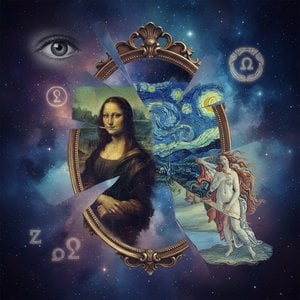
Explore the profound symbolism of mirror images in fine art. From Surrealist distortions to classical self-portraits, discover how masters use reflections to explore reality, identity, and the infinite through a sophisticated art-historical lens.

Embark on a sophisticated journey through art history's most captivating masterpieces of reflection. Explore how legendary artists used mirrors to explore identity, surrealism, and the soul through expert art historical analysis.

Embark on a journey through the subconscious with our expert guide to Surrealism. Discover the profound symbolism of masters like Dalí and Ernst, exploring how dreamlike imagery reshaped art history and continues to inspire collectors and enthusiasts worldwide.

Explore the profound symbolism of mirrors in fine art history. From Surrealist distortions to Vanitas themes, discover how masters use reflections to capture reality and the metaphysical soul.

 Se i fuld skala
 Del
Del Del
Del
 Detaljer

 Download
 Lignende værker
 Røntgenundersøgelse
 Diasshow

 Se mere







 Glasmulighed er kun tilgængelig i størrelser under 110 cm





