x
Acrylic On Canvas
WallArt
Roerich Symbolist
1910
19th Century
203.0 x 103.0 cmHåndmalet olie på lærred i din valgte størrelse og ramme, udført efter bestilling af vores kunstnere.
Vælg mellem vores forudindstillede størrelser, der matcher kunstværkets originale proportioner.
Du kan indtaste dine egne mål for at passe til en bestemt ramme eller plads. Hvis den valgte størrelse ikke stemmer overens med det originale billedes proportioner, vil vi enten beskære kunstværket eller udvide maleriet med yderligere håndmalede elementer. En digital skitse sendes til din godkendelse, før produktionen påbegyndes.
Bemærk venligst, at forhåndsvisningen på skærmen ikke afspejler den faktiske beskæring eller udvidelse. Kun skitsen vil nøjagtigt vise den endelige komposition.
Selvom specialmål er mulige, anbefaler vi at vælge en dimension fra den foruddefinerede liste for at bevare de originale proportioner.
Levering i hele verden () på 3/4 uger i stedet for de standard 5 uger. (2 juli). Ingen kompromiser med kvaliteten.
Boyan
Størrelse på reproduktion
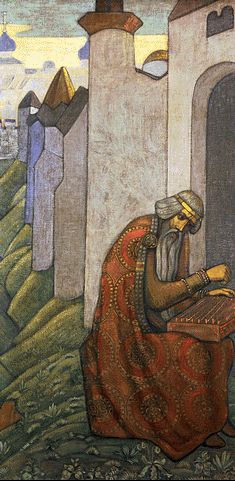
Nicholas Roemerich's Boyan, painted in 1910, is more than just a portrait; it’s a profound meditation on the human condition rendered with the artist’s signature blend of meticulous realism and deeply layered symbolism. Measuring 203 x 103 cm, this work immediately draws the viewer into a scene of quiet intensity – a man seated at a table, lost in thought amidst a breathtaking mountainous landscape. The painting's serene atmosphere speaks to Roerich’s lifelong fascination with Eastern philosophy, particularly the concept of *manas* – the inner spiritual essence – and its connection to the natural world.
Roerich was deeply influenced by the esoteric traditions of Tibet and India, which he explored extensively through archaeological expeditions and spiritual study. Boyan is replete with symbolic elements reflecting these influences. The mountainous landscape itself represents the vastness of the universe and the challenges inherent in seeking enlightenment. The castle-like structure visible on the horizon could symbolize a fortress of the mind – the obstacles one must overcome to achieve inner peace. The red robe, a common motif in Roerich’s work, often signifies spiritual power or connection to ancient traditions.
Painted in 1910, during a period of significant intellectual and artistic ferment, Boyan reflects Roerich’s evolving worldview. He was increasingly concerned with bridging the gap between science and spirituality, believing that both were essential for understanding humanity’s place in the cosmos. Roerich's work during this time is characterized by a growing emphasis on shamanistic themes and a desire to explore the spiritual dimensions of ancient cultures. This painting exemplifies his ambition to create art that was not merely aesthetically pleasing but also possessed a profound philosophical and spiritual significance.
Boyan possesses a remarkable ability to evoke a sense of quiet contemplation and wonder. The painting’s serene atmosphere invites the viewer to share in Boyan's introspective journey, prompting reflection on themes of mortality, spirituality, and the relationship between humanity and nature. As one of Nicholas Roerich’s most iconic works, Boyan continues to resonate with audiences today, demonstrating the enduring power of art to inspire and challenge our understanding of ourselves and the world around us. Its meticulous detail and evocative symbolism make it a compelling subject for collectors and interior designers seeking to infuse their spaces with a sense of timeless beauty and profound meaning.
1874 - 1947 , Rusland
Fortæl os om dit projekt, og vores kunsteksperter vil give dig 3 personlige kunstforslag.
Vi kuraterer 3 valgmuligheder kun til dig – Gratis!