x
Se i fuld skalaSe i fuld skala AR-forhåndsvisningAR-forhåndsvisning Køb håndlavet maleri Køb håndlavet maleriKøb billede Køb billede DelDel
DetaljerDetaljer Tilføj til favoritter Tilføj til favoritter DownloadDownload Lignende værkerLignende værker RøntgenundersøgelseRøntgenundersøgelse DiasshowDiasshow

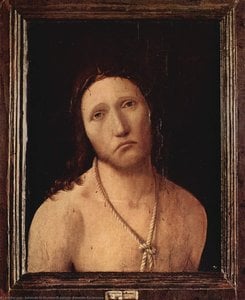
Sankt Bartholomäus

Et imponerende italiensk renæssancemaleri af Matteo di Giovanni fra omkring 1485, hvor Sankt Bartholomäus præsenteres i røde klæder og med fokus på religiøs symbolik og detaljeret anatomi.

Explore the art of Matteo di Giovanni (1435-1495), a leading Sienese Renaissance painter! Discover his blend of local tradition & Florentine influence in Madonna, Massacre of Innocents & more. #RenaissanceArt #SieneseSchool

Giclée / Kunsttryk

Giclée- eller lærredstryk i museumskvalitet med hurtig produktion og fleksible muligheder for finish. (Køb håndlavet maleri Køb håndlavet maleriKøb billede Køb billede)

P118B $10
P118H $10
P118W $10
P438Z $10
P508JH $12
P508YH $12
P805H $10
P805Z $10
P919BZ $10
P919G $10
P919XJ $10
P959ZH $10
P968JZ $12
W106C $8
W218G $10
W218JH $8
W218Y $10
W307PJ $10
W316G $10
W316PJ $8
W316Y $10
W398PJ $8
W4111J $10
W500HY $15
W500JH $15
W692G $12
W849H $8
W940BG $15
W953PJ $8

Standardstørrelse
speciallavet
CM
INCH

Vælg mellem vores forudindstillede størrelser, der matcher kunstværkets originale proportioner.

bredde
højde

Du kan indtaste dine egne mål for at passe til en specifik ramme eller et bestemt område. Hvis den valgte størrelse ikke stemmer overens med det originale billedes proportioner, vil vi enten beskære kunstværket eller udvide billedet med en spejlet eller ensfarvet kant. En digital mockup vil blive sendt til din godkendelse, før produktionen påbegyndes.
Bemærk venligst, at forhåndsvisningen på skærmen ikke afspejler den faktiske beskæring eller udvidelse. Kun mockuppen vil nøjagtigt vise den endelige komposition.
Selvom specialmål er tilgængelige, anbefaler vi at vælge et mål fra den foruddefinerede liste for at bevare de originale proportioner.

Verdensomspændende levering () på 2 uger i stedet for de sædvanlige 4/5 uger. (4 september)

why_choose_icon
Gratis ekspresforsendelse til hele verden
why_choose_icon
Lærred af linned i høj kvalitet
why_choose_icon
Fuld transportforsikring
why_choose_icon
Garanti for refusion af told og importafgifter
why_choose_icon
Garanti for præcis farvegengivelse
why_choose_icon
60 dages returret (kun ved fabrikationsfejl)
why_choose_icon
100% Tilfredshedsgaranti
why_choose_icon
Mængderabat tilgængelig

Samlet pris

$ 69

reproduction

Sankt Bartholomäus

Giclée / Kunsttryk

Størrelse på reproduktion

-

Samlet pris

$ 69

Hurtige fakta

  • Title: Saint Bartholomew
  • Year: 1485
  • Dimensions: 90 x 56 cm
  • Subject or theme: Religious Figure
  • Artistic style: Smooth skin tones
  • Location: Museum of Fine Arts Budapest
  • Influences: Antonio Pollaiolo

Saint Bartholomew – En dybdegående beskrivelse af Matteo di Giovannis mesterværk

Saint Bartholomews ikonografi er præget af en unik kombination af religiøs symbolik og humanistisk anatomi, hvilket gør det til et fascinerende eksempel på renæssances kunstneriske udfoldelse. Matteo di Giovanni, født omkring 1430 i Borgo San Sepolcro og aktiv i sienese skolen, var ikke blot en dygtig tekniker, men også en kunstner med en særlig forståelse for både klassisk kunst og lokale traditioner – egenskaber der manifesterede sig tydeligt i dette betydningsfulde værk.
  • Emne og Stil: Maleriet fremstiller apostlen St Bartholomews død, hvor han blev flædet af livet og senere henrettet af romerne. Denne fortælling om martyrdom er blevet udført i en stil, der hædrer både middelalderlige ikonografiske konventioner og den nye humanistiske æra, hvilket sikrer et værk med både historisk relevans og psykologisk kompleksitet. Matthæos fokus på detaljeret anatomi og realistisk udtryk af menneskelige følelser er karakteristisk for hans kunstneriske profil.
  • Teknik og Materialer: Matteo di Giovanni anvendte olie på træ som medium, hvilket var standardpraksis i sienese kunst i denne periode. Teknikken præges af flere lag af glanslag og præcise linjer – særligt vigtige for at skildre muskulaturen og draperiet – hvilket bidrager til værkets dybde og atmosfære. Det er bemærkelsesværdigt, hvor Matthæo udnyttede klassiske principper om perspektiv og komposition for at skabe en følelse af rum og dybde.
  • Symbolik og Historisk Kontext: Maleriet er fyldt med religiøs symbolik, hvor den røde farve repræsenterer både offer og guddommelig kraft – hvilket var et tilbagevendende tema i middelalderlig kunst. Matthæos valg af ikonografi var ikke blot et udtryk for kunstnerisk kreativitet, men også en refleksion over tidens religiøse klima og den stigende interesse for klassiske ideer og værdier.
  • Emotionel Impact: Maleriet fremkalder følelser af empati og eftertænksomhed hos betragteren. Matthæos præcise linjer og detaljerede udtryk af menneskelige følelser skildrer ikke blot en historisk begivenhed, men også den psykologiske rejse, som martyrdommen repræsenterer – hvilket gør værket til et kraftfuldt vidnesbyrd om kunstens evne til at kommunikere dybe menneskelige erfaringer.
Det faktum, at St Bartholomews ikonografi har været genstand for omfattende forskning og analyse gennem århundreder, understreger værkets betydning som både kunsthistorisk dokument og kulturelt udtryk. Matthæos mesterværk fortsætter med at fascinere kunstnere og kunstelskere verden over – hvilket vidnesbyrd om renæssances kunstners evne til at skabe værker, der transcenderer tidens rammer og taler direkte til menneskelige følelser og åndelige søgen. Dette værk er et eksempel på hvordan kunst kan formidle dybe religiøse ideer og samtidig præsentere en kompleks psykologisk profil.

Kunstnerens biografi

The Sienese Master: The Life and Legacy of Matteo di Giovanni

In the heart of the Italian Renaissance, amidst the winding streets of Siena, the brushstrokes of Matteo di Giovanni helped define an era of profound spiritual and aesthetic transformation. Born around 1435 in Borgo San Sepolcro, Matteo’s journey was one of migration and metamorphosis. Though his origins lay elsewhere, his soul became inextricably linked to the Sienese school, a movement characterized by its lyrical grace, rich ornamentation, and deep devotion. His life was marked not only by artistic pursuit but by a remarkable personal stability; through two marriages to women of significant wealth, Matteo secured the financial freedom necessary to acquire real estate and establish a lasting presence in the San Salvatore neighborhood of Siena.

The early years of Matteo’s career remain shrouded in the soft mists of history, yet the traces of his development are etched into the very fabric of his canvases. While no formal apprenticeship is recorded, scholars often look toward the workshop of the renowned sculptor and painter Vecchietta as a potential cradle for his talent. His style emerged as a sophisticated tapestry woven from various threads of influence: the delicate precision of the miniaturist Girolamo da Cremona, the robust Florentine energy of Antonio del Pollaiolo, and the established Sienese traditions set by masters such as Sassetta and Domenico di Bartolo. This unique synthesis allowed him to bridge the gap between the decorative elegance of the late Gothic period and the burgeoning humanism of the Renaissance.

A Career Forged in Gold and Devotion

Matteo’s early professional life was defined by the collaborative spirit of the 15th-century workshop. In 1452, he entered into a significant partnership with Giovanni di Pietro, a period during which they shared living quarters and worked side-by-side on monumental tasks. One of the most illuminating glimpses into his early technical skill comes from 1453, when records show Matteo coloring and gilding a sculpture of the Archangel Gabriel by the celebrated Jacopo della Quercia. This task—applying precious gold leaf to sacred forms—demonstrates his mastery over the luminous, tactile surfaces that would become a hallmark of his later altarpieces.

His growing reputation led him to contribute to the most sacred spaces in Siena. His hands helped embellish the organ shutters within the Siena Cathedral and played a vital role in the decoration of the San Bernardino Chapel. These commissions were more than mere jobs; they were spiritual contributions to the city's liturgical life. As his skill matured, Matteo’s work began to exhibit a more complex narrative depth, moving beyond simple iconography toward a more dramatic and emotionally resonant style that captured the attention of the most prestigious patrons in Tuscany.

The Pinnacle of Achievement and Historical Significance

The true measure of Matteo di Giovanni’s stature is found in his selection for the urban renewal projects of Pienza. As one of only four Sienese painters chosen to furnish altarpieces for the newly erected chapels of the Pienza Cathedral, he stood at the forefront of the era's most ambitious architectural and artistic endeavors. His contributions to this project, particularly the three altarpieces dating from 1460-62, serve as a definitive window into his evolving technique, showcasing a mastery of light, form, and sacred storytelling.

Matteo’s legacy is defined by several key artistic pillars:

  • Synthesis of Styles: His ability to blend the local Sienese tradition with the emerging anatomical realism of Florence.
  • Technical Brilliance: A profound command over gilding and color, creating works that shimmered with divine light.
  • Narrative Power: The capacity to transform religious scenes, such as the Massacre of the Innocents or various Madonna and Child compositions, into gripping human dramas.
  • Civic Impact: His role in shaping the visual identity of Siena and Pienza through monumental ecclesiastical commissions.

Though he passed away in 1495, the echoes of Matteo di Giovanni’s artistry continue to resonate. He remains a pivotal figure who navigated the transition from the medieval mindset to the Renaissance dawn, leaving behind a body of work that continues to inspire awe through its delicate beauty and enduring spiritual strength.

matteo di giovanni

matteo di giovanni

1435 - 1495 , Italy

Kort om kunstneren

  • Artistic Movement Or Style: Sienese School, Renaissance
  • Artists Who Influenced This Artist:
    • Sassetta
    • Domenico di Bartolo
    • Antonio del Pollaiolo
  • Date Of Birth: 1435
  • Date Of Death: 1495
  • Full Name: Matteo di Giovanni
  • Nationality: Italian
  • Notable Artworks:
    • Madonna and Child
    • Massacre of the Innocents
  • Place Of Birth: Borgo San Sepolcro, Italy
Udforsk kunstværker organiseret efter temaer, stilarter og karakteristika.