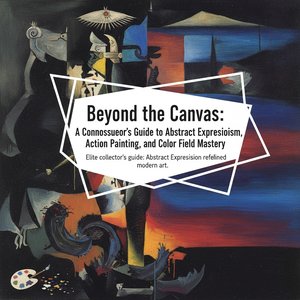
Kunstnerens biografi
Early Life and the Seeds of Artistic Vision
Mark Rothko, født Markus Yakovlevich Rothkowitz i Dvinsk, Latvia, i 1903, bar med sig fra begyndelsen en følelse af forvisning, der dybtgående påvirkede hans kunstneriske rejse. Hans tidlige år var præget af angst omkring et jødisk hjem, der boede inden for Pale of Settlement, skygget af pogromer og politisk uro. Denne atmosfære fremmede en dyb følsomhed over menneskelig lidelse – et tema, der ville resonere gennem hans oeuvre. Immigrationen til Portland, Oregon, i 1913 repræsenterede ikke blot en geografisk forskydning, men også en kulturel omvæltning for den unge Rothko. Selvom hans far, en apoteker og intellektuel med socialistiske tendenser, skabte et hjem fyldt med debat og læring, blev Jacob Rothkowitzs død kort efter deres ankomst en tung skygge over ham. Denne tidlige erfaring af tab, kombineret med udfordringerne ved assimilation, drev en livslang udforskning af eksistentielle temaer – dødsfald, traume og søgen efter mening i en kaotisk verden. Selvom han udmærkede sig akademisk på Yale Universitet, fandt Rothko sig mere tiltrukket af den pulserende energi i New York City og forlod formelle studier til at forfølge sin passion for kunst ved Art Students League. Disse formative år lagde grundlaget for en kunstnerisk vision, der ultimativt udfordrede konventionelle opfattelser af maleri og omdefinerede den følelsesmæssige styrke af farve.
From Figurative Beginnings to Abstract Expressionism
Rothko’s første kunstneriske udforskninger var stærkt rodfæstet i realismen og skildrede urbane scener og portrætter med et skarpt øje for detaljer. Disse tidlige værker antydede allerede den psykologiske dybde, der skulle blive hans kendetegnende stil. Efter 1940’erne og verdens kamp mod krigen gennemgik Rothko’s kunst en dramatisk transformation. Påvirket af Surrealisme og mytologi begyndte han at bevæge sig væk fra repræsentationsmæssig billedhuggerkunst og søgte efter udtryk for universelle menneskelige følelser gennem symboliske former. Denne periode så fremkomsten af flerformede malerier – lærredsplader befolket af tvetydige, biomorfiske figurer, der virkede til at svæve mellem figurativ kunst og abstraktion. Disse værker var ikke blot eksperimenter i form; de var dybtfølte svar på verdens angst og usikkerhed under krigen. Ved slutningen af 1940’erne havde Rothko nået sin signaturstil: store lærredsplader med rektangulære blokke af farve, der omfavnede betragteren i en omsluttende oplevelse. Han skrottede alle spor af genkendelige billeder og fokuserede i stedet på den rene følelsesmæssige effekt af farve og form. Dette markerede et vendepunkt i udviklingen af Abstract Expressionisme og etablerede Rothko som en førende figur i denne banebrydende bevægelse.
The Color Field and the Pursuit of Transcendence
Rothko’s modne kunst er defineret af hvad der kom til at kendes som “Color Field” maleri – enorme områder af lysende farve, der omslutter betragteren i en immersiv oplevelse. Disse malerier handler ikke om *hvad* de viser frem, men snarere *hvordan* de får dig til at føle. Rothko mente, at kunst skulle engagere betragteren visceralt og undgå intellektuel analyse og tale direkte til følelserne. Han lagde omhyggeligt tynde lag af maling ned og skabte subtile variationer i tone og tekstur, der virkede til at udstråle fra lærredet selv. Kanterne af hans rektangulære former er ofte slørede, hvilket tillader dem at blande sig med hinanden og skabe en følelse af dybde og bevægelse. Rothko ville bevidst undgå alle spor af genkendelige billeder og fokuserte i stedet på den rene følelsesmæssige effekt af farve og form. Dette var et vendepunkt i udviklingen af Abstract Expressionisme og etablerede Rothko som en førende figur i denne banebrydende bevægelse. Han søgte efter at skabe et rum for kontemplation, et hvilested hvor betragtere kunne forbinde sig med noget større end sig selv.
Major Achievements and Lasting Legacy
Rothko’s mest betydningsfulde præstationer omfatter “No. 10 (1950),” en nøgleværk, der exemplificerer hans udviklende stil og Seagram Murals (1958). Disse murmal blev bestilt til Four Seasons Restaurant i New York City og blev efterfølgende afvist af Rothko, fordi han mente, at de ville være kompromitterede af deres tilsigtede miljø. Han donerede dem i stedet til Tate Gallery i London, hvor de fortsætter med at inspirere ærefrygt og kontemplation. Hans største ambition var Rothko Chapel (1971) i Houston, Texas – et ikke-denominational tempel, der rummer fjorten af hans malerier og anses for at være et helligt sted af mange mennesker. Rothko’s arv udvides ud over kunsthistorien. Han banede vejen for Minimalist kunst og fortsætter med at inspirere moderne kunstnere, der udforsker de følelsesmæssige muligheder ved abstraktion. Han efterlod sig en dybtgående indflydelse på kunstverdenen og vil altid blive husket som en af de mest betydningsfulde og indflydelsesrige kunstnere i det 20. århundrede – en mester af farve, hvis arbejde fortsætter med at resonere hos publikum verden over.


![Untitled (still Life) [recto] — Mark Rothko](/media/artworks/images-full/81/76/8176c34b64f9b62d916edb9a2704ad25.jpg)
 Se i fuld skala
 Køb håndlavet maleri
 Del
Del Del
Del
 Detaljer

 Download
 Lignende værker
 Røntgenundersøgelse
 Diasshow
 Stats
Stats
 Se mere






































 Glasmulighed er kun tilgængelig i størrelser under 110 cm