GRATIS KUNSTRÅDGIVNING

x
Bestil tryk Bestil trykBestil maleri Bestil maleri DelDel
DetailsDetails Tilføj til favoritter Tilføj til favoritter DownloadDownload Lignende værkerLignende værker X-RayX-Ray DiasshowDiasshow

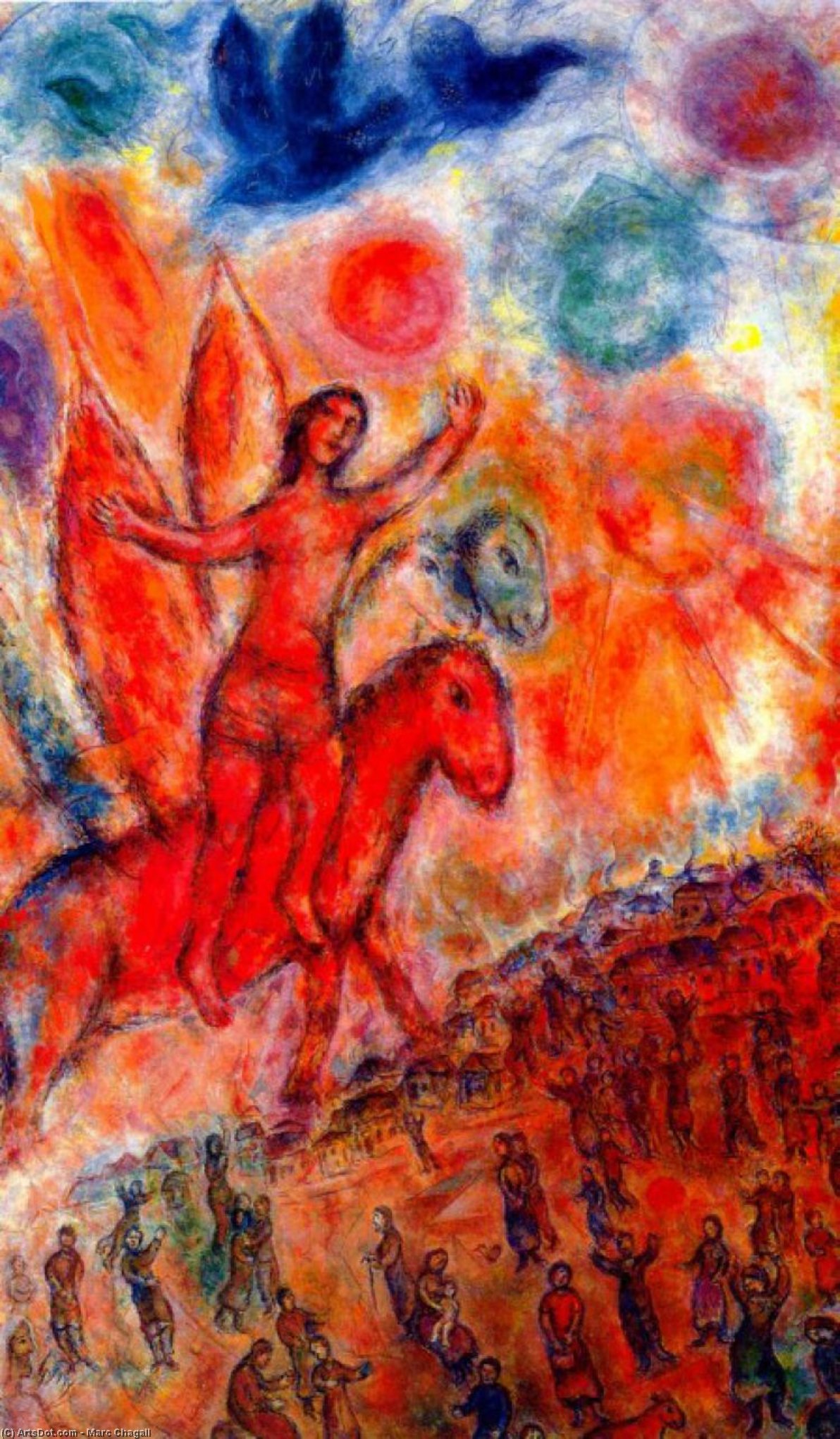
Phaeton

Marc Chagall’s surrealist masterpiece ‘Phaeton,’ painted in 1977, depicts a woman soaring through the heavens on horseback amidst fantastical figures—a testament to his enduring fascination with mythology and dreamlike imagery. Explore this iconic artwork at WikiArt.org.

Udforsk Marc Chagall (1887-1985)'s fantastiske verden af drømmebilleder og jiddisk folklore! Oplev hans ikoniske værker og den unikke kunstners præstation inden for moderne kunst.

Køb et højopløst, forbedret digitalt billede, der er langt bedre end online-forhåndsvisningen.

Hver fil er omhyggeligt forberedt af vores interne specialister ved hjælp af avancerede værktøjer og ekspertmæssig manuel retuschering. Vi sikrer, at hvert billede har enestående klarhed, præcis farvegengivelse og fine detaljer.

Den endelige fil leveres via e-mail inden for 72 timer og er optimeret til øjeblikkelig brug i professionelle, redaktionelle og trykte miljøer. Det er den samme kvalitet, som førende designstudier, forlag og gallerier har tillid til.

Digitalt billede

Download en højopløselig fil til personlig fremvisning, print og kreative projekter.

Samlet pris

$9.99

Inkluderet i alle ordrer på digitale billeder

Ekspert digital levering, garanteret

Når du vælger WahooArt.com, får du ikke blot et billede – du modtager et professionelt optimeret digitalt kunstværk, skabt med præcision og sikret med en tilfredshedsgaranti. Her er alt, hvad din ordre automatisk indeholder:

shipping_icon
Hurtig levering via e-mail

Din højkvalitets digitale billedfil vil blive sendt til din e-mail inden for 72 timer efter bestilling – klar til øjeblikkelig brug.

canvas_icon
AI-optimeret digital fil

Dit kunstværk optimeres professionelt ved hjælp af avancerede AI-værktøjer og manuel redigering, hvilket sikrer maksimal detaljegrad, klarhed og farvenøjagtighed.

insurance_icon
Gratis livslang genlevering

Har du ved en fejl slettet eller mistet din fil? Ingen bekymring – vi sender den igen til enhver tid, helt gratis.

tax_icon
Ingen importgebyrer – nogensinde

Nyd dit kunstværk med det samme uden told, afgifter eller leveringsgebyrer – digitale downloads er altid skattefrie.

color_icon
Garanteret farvenøjagtighed

Vi sikrer, at dit digitale billede gengiver de originale farver så præcist som muligt ved hjælp af professionelle værktøjer og farvestyring.

return_icon
60 dages tilfredshedsgaranti

Hvis du ikke er tilfreds med dit digitale billede, vil vi revidere det eller refundere 100% inden for 60 dage – uden spørgsmål.

guarantee_icon
100% Pengene tilbage-garanti

Ik tilfreds? Få fuld refusion inden for 60 dage efter modtagelse af din digitale fil – uden spørgsmål.

discount_icon
Mængderabat

Køb 3 billeder, spar 10% - Køb 5, spar 15% - Køb 10+, spar 20%. Ideelt til kreative projekter, gallerier og bureauer.

Hurtige fakta

  • Movement: Surrealism
  • Influences: Folklore
  • Medium: Oil on Canvas
  • Subject or theme: Mythology
  • Artistic style: Surrealism
  • Notable elements or techniques: Flying figures; Dreamlike quality
  • Dimensions: 195 x 130 cm

Beskrivelse af samlerobjektet

A Dance Between Myth and Memory: Exploring Marc Chagall’s Phaeton

Marc Chagall's "Phaeton," completed in 1977, isn’t merely a painting; it’s an immersive experience—a luminous tapestry woven from fragments of memory and steeped in the fantastical spirit of Surrealism. Created during a period marked by profound social upheaval and artistic experimentation, Phaeton stands as a testament to Chagall's unwavering commitment to conveying emotion through visual language rather than adhering strictly to representational conventions. The canvas itself is dominated by a swirling expanse of color—deep blues mingle with fiery reds and yellows—creating an atmosphere that vibrates with restless energy. This chromatic dynamism immediately establishes the painting’s stylistic allegiance to Surrealism, championed by artists like Salvador Dalí and René Magritte who sought to liberate art from the constraints of realism.
  • Style: Surrealism – Chagall deliberately eschewed photographic accuracy, prioritizing dreamlike imagery and symbolic representation.
  • Technique: Oil on Canvas – Chagall employed a thick impasto technique, layering paint onto the canvas to build up textural surfaces that capture the luminescence of his vision.
The central figure is undeniably captivating: a woman, rendered in muted pastel hues, rides atop a horse whose mane explodes with vibrant reds and yellows. This horse isn’t simply an animal; it embodies primal force and passion—a direct reference to Greek mythology where Phaeton, Apollo's son, attempted to drive Helios’ chariot across the heavens, nearly destroying everything he touched. The woman’s posture exudes serenity amidst the chaos, suggesting a counterbalance to the turbulent energy of the horse. Her hand outstretched towards a bird – a recurring motif in Chagall’s oeuvre – symbolizes hope and aspiration, hinting at themes of rebirth and transcendence.
  • Symbolism: The Horse represents passion and divine power; the Bird embodies hope and spiritual ascension.
Beyond its immediate visual impact, Phaeton resonates with deeper historical context. Chagall’s work emerged from the shadow of World War II and the Holocaust, experiences that profoundly shaped his artistic sensibility. He sought to express the anxieties and uncertainties of his time while simultaneously reaffirming faith in humanity's capacity for beauty and compassion. The painting’s luminous palette and fantastical composition serve as an antidote to despair, inviting viewers into a realm where imagination reigns supreme—a realm populated by figures drawn from Jewish folklore and imbued with the spirit of biblical narratives.
  • Historical Context: Reflecting the anxieties of WWII and the Holocaust; Chagall aimed to convey emotion through symbolic imagery.
Ultimately, Phaeton transcends mere depiction; it aspires to evoke feeling—to transport the viewer into a state of contemplative wonder. Chagall’s masterful manipulation of color and form achieves this goal with remarkable grace, cementing Phaeton's place as an enduring masterpiece of Surrealist art and a poignant meditation on themes of myth, memory, and the human spirit. It remains a powerful reminder that art can illuminate the darkest corners of experience and inspire us to embrace the transformative potential of dreams.

Lignende kunstværker


Kunstnerens biografi

A Life Painted in Dreams: The World of Marc Chagall

Marc Chagall, born Moishe Shagal in 1887 in the small Belarussian town of Liozna near Vitebsk, wasn’t merely a painter; he was a poet of color, a weaver of dreams, and a chronicler of memory. His life, spanning nearly a century, mirrored the tumultuous currents of the 20th century, yet his art remained steadfastly rooted in a deeply personal vision—one infused with the folklore of his Hasidic Jewish upbringing and an unwavering belief in the power of imagination. Vitebsk itself was more than just a birthplace; it became the emotional core of his artistic universe, a recurring motif populated by flying figures, whimsical animals, and the vibrant hues of remembered landscapes. The town’s unique blend of cultures—Russian Orthodox churches alongside bustling Jewish marketplaces—forged an aesthetic sensibility that would defy easy categorization throughout his long career. Though he sought formal training first with a local sign painter and later in St. Petersburg under Léon Bakst, and then in Paris at the Académie de la Grande Chaumière, Chagall never fully embraced any single artistic movement. He absorbed elements of Cubism, Symbolism, and Fauvism, but always filtered them through his own intensely personal lens, creating a style that was uniquely, unmistakably Chagall.

Early Years and Artistic Beginnings

Chagall’s formative years were marked by hardship and displacement. Born into a family of impoverished Jewish artisans, he experienced the trauma of pogroms—violent attacks against Jews—which instilled in him a profound awareness of persecution and loss. Despite these challenges, Chagall pursued his artistic ambitions with unwavering determination. He initially studied sign painting in Vitebsk, honing his technical skills while simultaneously nurturing his imaginative spirit. His early works already hinted at the distinctive language he would develop – paintings like I and the Village (1911) are not simply depictions of place; they are explorations of identity, memory, and the relationship between the individual and community. The village isn’t rendered realistically but as a fragmented collection of recollections, imbued with symbolic meaning. This ability to transmute personal experience into universal themes became a hallmark of his art. His palette was bold and expressive, often employing vibrant, non-naturalistic colors to convey emotion rather than literal representation. Figures float and dance across the canvas, defying gravity and logic, creating a dreamlike atmosphere that invites viewers into his inner world. This stylistic approach wasn’t accidental; it stemmed from a desire to move beyond mere imitation of reality and capture the essence of feeling, the weight of memory, and the power of folklore.

The Symbolist Influence and Vitebsk's Landscape

Chagall’s artistic development was significantly shaped by the Symbolist movement, which championed emotion and imagination over objective representation. Artists like Gustave Moreau and Edvard Munch profoundly influenced his visual vocabulary, encouraging him to prioritize expressive color and evocative imagery. Vitebsk itself became an enduring source of inspiration for Chagall—a recurring motif populated by flying figures, whimsical animals, and the vibrant hues of remembered landscapes. The town’s unique blend of cultures—Russian Orthodox churches alongside bustling Jewish marketplaces—forged an aesthetic sensibility that would defy easy categorization throughout his long career. He captured these scenes with a lyrical sensitivity, conveying not just what he saw but also what he felt – the nostalgia for his childhood home and the complexities of cultural identity.

The Revolution and Artistic Transformation

The Russian Revolution of 1917 irrevocably altered Chagall’s life trajectory. Returning to Vitebsk after years abroad, he became involved in cultural initiatives, establishing an art school that briefly flourished before succumbing to the restrictions imposed by the new regime. This period was marked by both creative energy and political disillusionment – a tension that would continue to shape his artistic trajectory. He experimented with Surrealist techniques, incorporating dreamlike imagery and illogical juxtapositions into his paintings. Works like Over Vitebsk (1920-1922) demonstrate his continued engagement with his childhood memories, while simultaneously reflecting the anxieties of a rapidly changing world.

International Recognition and Legacy

Chagall’s artistic reputation soared internationally in the 1930s and 40s. He gained acclaim for his monumental stained glass windows commissioned for the Jerusalem synagogue, which embody his profound spiritual convictions and masterful craftsmanship. His paintings—such as White Crucifixion (1938)—became powerful statements about suffering and resilience during World War II. Following the war, Chagall settled in New York City, where he continued to produce innovative works that explored themes of exile and displacement. He received numerous prestigious commissions, including the ceiling of the Paris Opera (1964), a breathtaking explosion of color and form that celebrated musical masterpieces. Marc Chagall’s legacy extends beyond his paintings; it resides in the enduring power of his vision—a vision that celebrates love, memory, and the boundless possibilities of the human imagination. He left behind a body of work that is both deeply personal and universally accessible, inviting viewers to lose themselves in a world painted with dreams and illuminated by hope. His art continues to inspire, challenge, and move us, ensuring that his vibrant and imaginative spirit will live on for generations to come.
Marc Chagall

Marc Chagall

1887 - 1985 , Hviderusland

Kort om kunstneren

  • Artistic Movement Or Style: Modernisme, Kubisme
  • Artists Or Movements Influenced By This Artist:
    • Surrealisme
    • Moderne kunst
  • Artists Who Influenced This Artist:
    • Bakst
    • Delaunay
    • Borovikovsky
  • Date Of Birth: 7. juli 1887
  • Date Of Death: 28. marts 1985
  • Full Name: Marc Chagall
  • Nationality: Russisk-Fransk
  • Notable Artworks:
    • I og byen
    • Over Vitebsk
    • Hvid korsfæstelse
  • Place Of Birth: Liozna, Belarus