x
Akryl på lærred
Vægkunst
Fauvism and Naive Art
1933
102.0 x 169.0 cmHåndmalet olie på lærred i din valgte størrelse og ramme, udført efter bestilling af vores kunstnere.
Vælg mellem vores forudindstillede størrelser, der matcher kunstværkets originale proportioner.
Du kan indtaste dine egne mål for at passe til en bestemt ramme eller plads. Hvis den valgte størrelse ikke stemmer overens med det originale billedes proportioner, vil vi enten beskære kunstværket eller udvide maleriet med yderligere håndmalede elementer. En digital skitse sendes til din godkendelse, før produktionen påbegyndes.
Bemærk venligst, at forhåndsvisningen på skærmen ikke afspejler den faktiske beskæring eller udvidelse. Kun skitsen vil nøjagtigt vise den endelige komposition.
Selvom specialmål er mulige, anbefaler vi at vælge en dimension fra den foruddefinerede liste for at bevare de originale proportioner.
Levering i hele verden () på 3/4 uger i stedet for de standard 5 uger. (2 juli). Ingen kompromiser med kvaliteten.
Ensomhed
Størrelse på reproduktion
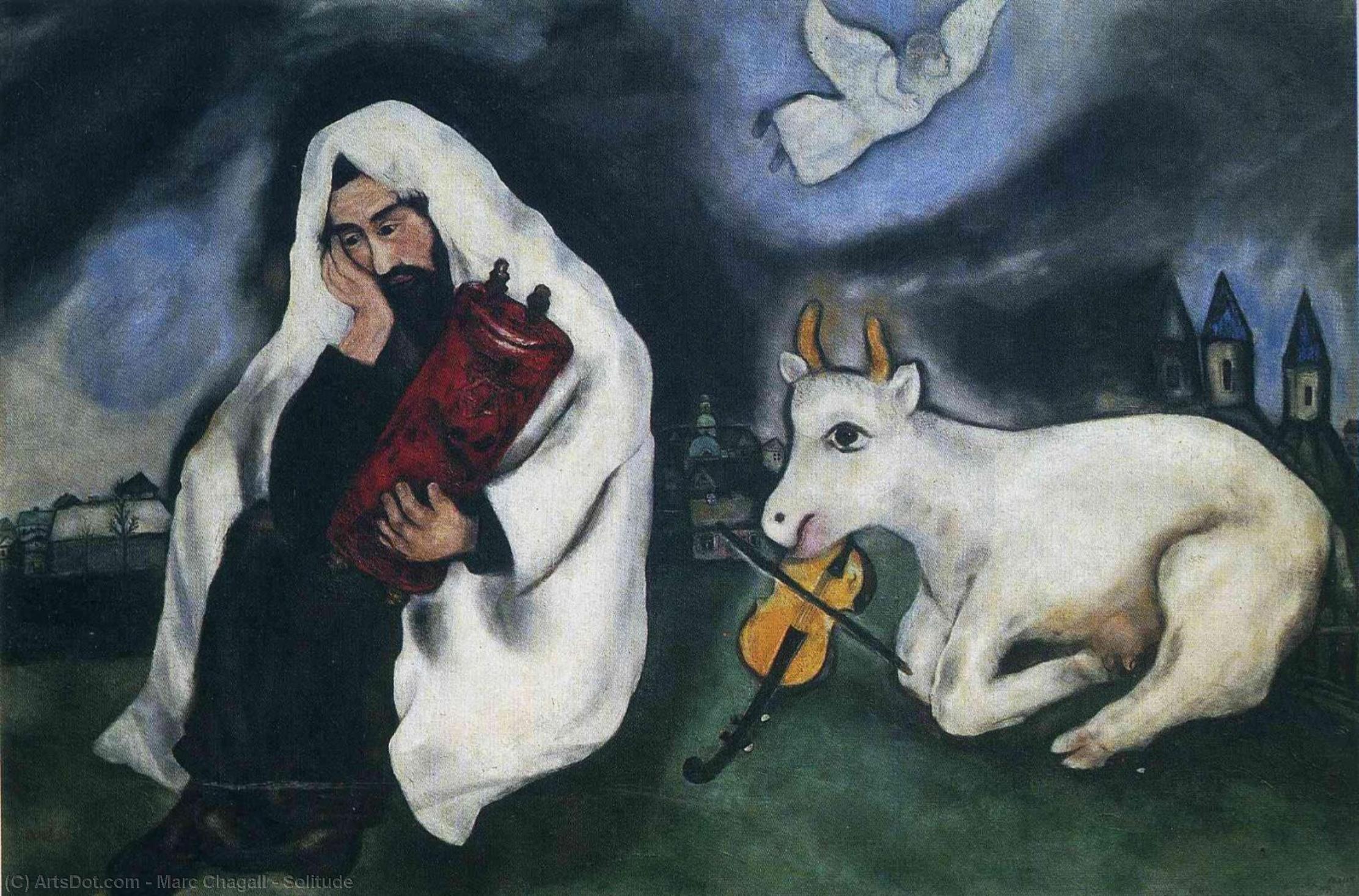
Marc Chagall's "Solitude," painted in 1933, isn't merely a depiction of a man seated on the ground; it’s a profound meditation on Jewish identity and the looming anxieties of Europe at the cusp of World War II. Housed within the Tel-Aviv Museum of Art, this work transcends its simple composition to become a poignant emblem of cultural resistance – a testament to the enduring spirit of a community facing an uncertain future. The painting immediately draws the eye with its muted palette, a deliberate choice by Chagall that fosters a contemplative atmosphere, far removed from the vibrant Fauvist colors often associated with his earlier works. The man, rendered in shades of grey and brown, sits enveloped in a long robe or cloak, his head bowed in deep introspection – an image instantly relatable to anyone who has experienced profound sorrow or quiet contemplation.

“Solitude” was painted during a particularly turbulent period in European history – the rise of Nazism and escalating anti-Semitic sentiment across the continent. Chagall, himself a Jewish artist with deep roots in Eastern Europe, witnessed firsthand the growing threat to his community. The painting is deeply informed by this historical context; it’s not simply an artistic expression but a direct response to the anxieties and uncertainties of the time. The political climate of 1933, marked by the Nazi party's ascent to power in Germany, fueled a wave of persecution and discrimination against Jewish communities throughout Europe. Chagall’s work serves as a quiet yet resolute declaration of cultural identity in the face of such hostility.
It is important to note that Chagall was not alone in his experience; Eastern European Jewry faced similar challenges during this period, with instances of violence and discrimination becoming increasingly common. The artist’s personal experiences – including witnessing a friend assaulted for his religious beliefs in Warsaw – undoubtedly informed the emotional intensity of “Solitude.”
While rooted in elements of Fauvism—characterized by bold, non-naturalistic colors—Chagall tempers this approach in "Solitude," opting for a more subdued and contemplative palette. The muted tones contribute significantly to the painting’s atmosphere of quiet sadness and introspection. The composition itself is deliberately simple, focusing on the central figure and his immediate surroundings. This minimalist approach allows the symbolism to take center stage, amplifying the emotional impact of the work.
Chagall's distinctive style—often described as “naive art” or “primitive”—is evident in the slightly distorted figures and dreamlike quality of the scene. He employs a flattened perspective and exaggerated features, creating an image that feels both familiar and otherworldly. The painting’s power lies not in technical virtuosity but in its ability to convey profound emotion through symbolic representation.
"Solitude" stands as a powerful testament to the enduring spirit of Jewish culture during a time of immense upheaval. Despite facing scorn from conservative authorities who sought to control artistic expression, artists like Chagall continued to create works that reflected their experiences and beliefs. The painting’s quiet dignity and profound symbolism resonate deeply with viewers today, reminding us of the importance of cultural identity, resilience, and the power of art to bear witness to human experience.
Reproductions of “Solitude” offer a remarkable opportunity to bring this evocative masterpiece into your home or office. WahooArt’s hand-painted reproductions capture the nuances of Chagall's style with exceptional detail and fidelity, allowing you to appreciate the painting’s beauty and emotional depth in a truly authentic way.
1887 - 1985 , Hviderusland
Fortæl os om dit projekt, og vores kunsteksperter vil give dig 3 personlige kunstforslag.
Vi kuraterer 3 valgmuligheder kun til dig – Gratis!