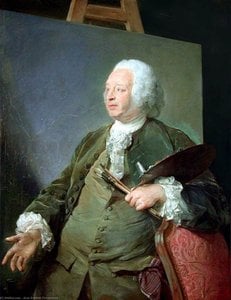
Giclée- eller lærredstryk i museumskvalitet med hurtig produktion og fleksible muligheder for finish. ( Køb håndlavet maleri Køb billede)





























Vælg mellem vores forudindstillede størrelser, der matcher kunstværkets originale proportioner.

Du kan indtaste dine egne mål for at passe til en specifik ramme eller et bestemt område. Hvis den valgte størrelse ikke stemmer overens med det originale billedes proportioner, vil vi enten beskære kunstværket eller udvide billedet med en spejlet eller ensfarvet kant. En digital mockup vil blive sendt til din godkendelse, før produktionen påbegyndes.
Bemærk venligst, at forhåndsvisningen på skærmen ikke afspejler den faktiske beskæring eller udvidelse. Kun mockuppen vil nøjagtigt vise den endelige komposition.
Selvom specialmål er tilgængelige, anbefaler vi at vælge et mål fra den foruddefinerede liste for at bevare de originale proportioner.
Verdensomspændende levering () på 2 uger i stedet for de sædvanlige 4/5 uger. (7 september)


Femmes drapées de blanc
Størrelse på reproduktion
Jean Barbault's "Femmes Drapées de Blanc" is not merely a painting; it’s a portal to 18th-century Rome, a city pulsating with the allure of antiquity and the intoxicating influence of Orientalism. Painted around 1750, this captivating work offers a serene yet subtly charged tableau – two figures enveloped in flowing white drapery, set against an atmospheric backdrop that whispers of both classical grandeur and the vibrant energy of the Italian capital. Barbault, a largely unsung figure within the artistic circles of his time, masterfully captures a fleeting moment of contemplation, inviting us to ponder the mysteries held within its muted palette and delicate brushstrokes.
The composition is remarkably balanced, drawing the eye immediately to the central figure standing with quiet dignity. Her posture exudes a sense of poised grace, while the seated woman beside her suggests a more relaxed state of repose. Barbault’s technique is characterized by an exquisite subtlety—a hallmark of his approach to capturing the nuances of light and texture. He employs thin glazes of oil paint, building up layers with painstaking care to achieve a remarkable depth and luminosity. The drapery itself becomes a focal point, its folds rendered with a masterful understanding of form and movement; each curve and ripple seems to catch the diffused light, creating an illusion of tactile richness. Notice how Barbault skillfully uses atmospheric perspective – distant elements recede into softer hues and less detail, effectively establishing depth within the scene.
“Femmes Drapées de Blanc” is deeply rooted in the artistic currents of its time. The painting emerged during a period of fervent interest in classical antiquity, fueled by the rediscovery of Roman ruins and the revival of Greco-Roman art and architecture. Barbault’s work reflects this fascination, yet it transcends mere imitation. He wasn't simply documenting Rome; he was actively engaging with its spirit, imbuing his subjects with a sense of timeless elegance. The white drapery itself carries significant symbolic weight – often associated with purity, innocence, or even spirituality. Barbault’s artistic lineage is also important to consider: he was initially trained by Jean Restout II, and later sought acceptance at the prestigious Prix de Rome. His journey through the art world mirrors the broader ambitions of many artists during this era, striving for recognition within a highly competitive system. The painting's style subtly nods to both Rococo and Neoclassical influences, blending decorative flourishes with a restrained sense of formality.
Beyond its technical brilliance and historical context, “Femmes Drapées de Blanc” possesses a profound emotional resonance. The figures’ expressions are deliberately ambiguous, inviting viewers to project their own interpretations onto the scene. There's an undeniable sense of tranquility—a feeling of being transported to a serene space removed from the bustle of everyday life. The muted color palette and soft lighting contribute to this atmosphere of quiet contemplation, creating a mood that is both melancholic and deeply comforting. Barbault’s ability to evoke such subtle yet powerful emotions speaks volumes about his artistic sensitivity and his profound understanding of the human condition. It's a painting that lingers in the memory long after it has been viewed, prompting reflection on themes of beauty, solitude, and the enduring allure of the past.
This artwork is a remarkable example of 18th-century Roman art, offering a captivating glimpse into a world of classical revival, exoticism, and quiet contemplation. A high-quality reproduction captures the essence of Barbault’s vision, allowing you to bring this timeless masterpiece into your own home or office.


1718 - 1762 , France

Discover the exquisite allure of Rococo art. Explore a curated guide to 18th-century French masterpieces, from Watteau to Fragonard, and learn how hand-painted oil reproductions can bring timeless elegance and luxury to your sophisticated interior design collection.

Immerse yourself in the splendor of Rococo art. Discover the era of elegance through masterworks by Watteau and Fragonard. Explore themes of romance, aristocratic leisure, and gilded ornamentation in this definitive guide to 18th-century French opulence.
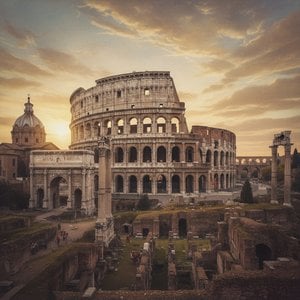
Explore the profound beauty of Roman architecture through art history. From Piranesi's evocative engravings to classical masterpieces, discover how the grandeur of ancient Rome continues to inspire collectors and art enthusiasts worldwide.

 Se i fuld skala
 Del
Del Del
Del
 Detaljer

 Download
 Lignende værker
 Røntgenundersøgelse
 Diasshow

 Se mere







 Glasmulighed er kun tilgængelig i størrelser under 110 cm