Sell

Sell Your Art
x
PreviewPreview Bestil tryk Bestil trykBestil maleri Bestil maleri DelDel
DetaljerDetaljer Tilføj til favoritter Tilføj til favoritter DownloadDownload Lignende værkerLignende værker RøntgenundersøgelseRøntgenundersøgelse DiasshowDiasshow

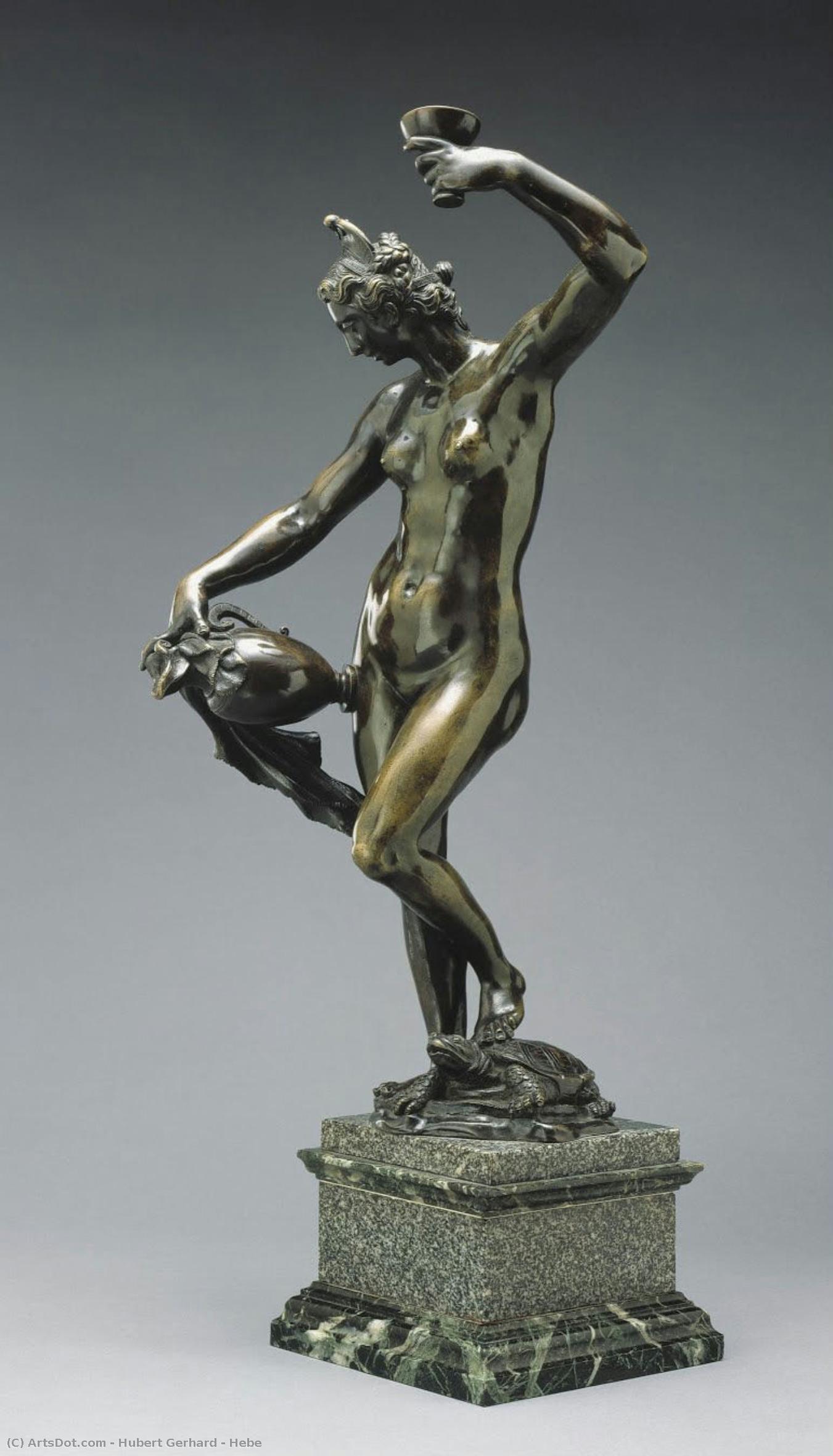
Hebe

Explore the intricate bronze sculptures of Hubert Gerhard, a 16th-century Dutch artist known for his mythological themes & Mannerist style in Augsburg & Munich.

Køb et højopløst, forbedret digitalt billede, der er langt bedre end online-forhåndsvisningen.

Hver fil er omhyggeligt forberedt af vores interne specialister ved hjælp af avancerede værktøjer og ekspertmæssig manuel retuschering. Vi sikrer, at hvert billede har enestående klarhed, præcis farvegengivelse og fine detaljer.

Den endelige fil leveres via e-mail inden for 72 timer og er optimeret til øjeblikkelig brug i professionelle, redaktionelle og trykte miljøer. Det er den samme kvalitet, som førende designstudier, forlag og gallerier har tillid til.

Digitalt billede

Download en højopløselig fil til personlig fremvisning, print og kreative projekter.

Samlet pris

$9.99

Inkluderet i alle ordrer på digitale billeder

Ekspert digital levering, garanteret

Når du vælger WahooArt.com, får du ikke blot et billede – du modtager et professionelt optimeret digitalt kunstværk, skabt med præcision og sikret med en tilfredshedsgaranti. Her er alt, hvad din ordre automatisk indeholder:

shipping_icon
Hurtig levering via e-mail

Din højkvalitets digitale billedfil vil blive sendt til din e-mail inden for 72 timer efter bestilling – klar til øjeblikkelig brug.

canvas_icon
AI-optimeret digital fil

Dit kunstværk optimeres professionelt ved hjælp af avancerede AI-værktøjer og manuel redigering, hvilket sikrer maksimal detaljegrad, klarhed og farvenøjagtighed.

insurance_icon
Gratis livslang genlevering

Har du ved en fejl slettet eller mistet din fil? Ingen bekymring – vi sender den igen til enhver tid, helt gratis.

tax_icon
Ingen importgebyrer – nogensinde

Nyd dit kunstværk med det samme uden told, afgifter eller leveringsgebyrer – digitale downloads er altid skattefrie.

color_icon
Garanteret farvenøjagtighed

Vi sikrer, at dit digitale billede gengiver de originale farver så præcist som muligt ved hjælp af professionelle værktøjer og farvestyring.

return_icon
60 dages tilfredshedsgaranti

Hvis du ikke er tilfreds med dit digitale billede, vil vi revidere det eller refundere 100% inden for 60 dage – uden spørgsmål.

guarantee_icon
100% Pengene tilbage-garanti

Ik tilfreds? Få fuld refusion inden for 60 dage efter modtagelse af din digitale fil – uden spørgsmål.

discount_icon
Mængderabat

Køb 3 billeder, spar 10% - Køb 5, spar 15% - Køb 10+, spar 20%. Ideelt til kreative projekter, gallerier og bureauer.


Kunstnerens biografi

The Bronze Legacy of Hubert Gerhard

In the swirling currents of the late sixteenth century, a period defined by both profound religious upheaval and a vibrant intellectual rebirth, the sculptor Hubert Gerhard emerged as a master of form and metal. Born around 1545 in Den Bosch, Netherlands, Gerhard’s life was shaped by the turbulent winds of the Reformation, yet his artistic spirit found its true north in the sophisticated workshops of Italy. His journey from the Low Countries to the heart of Europe represents more than just a personal migration; it reflects the broader movement of Northern Mannerism, where the technical precision of the North met the dramatic, elongated elegance of the Italian Renaissance.

The defining chapter of Gerhard’s formative years was undoubtedly his time in Florence. There, he entered the orbit of the legendary Giambologna, a master whose influence acted as the cornerstone of Gerhard's sculptural language. Under this tutelage, Gerhard moved beyond mere anatomical representation to embrace the complexities of Mannerist aesthetics. He learned to manipulate bronze not just as a rigid medium, but as a fluid substance capable of capturing psychological tension, spiraling movement, and the delicate play of light across expressive drapery. This training instilled in him a lifelong devotion to the figura serpentinata—the serpentine pose that breathes life and dynamic energy into static metal.

A Career of Patronage and Monumental Vision

As Gerhard’s reputation ascended, so too did the scale of his ambitions. His career was marked by a remarkable ability to secure the favor of Europe's most powerful dynasties, moving between the commercial hubs of Augsburg and the ducal courts of Munich. Around 1580, the legendary Fugger banking family in Augsburg provided the essential patronage that allowed Gerhard to realize some of his most enduring civic contributions. His work on the Augustus Fountain stands as a testament to this era of grandeur. In collaboration with architects, he breathed life into the city's landscape through colossal bronze figures representing the mighty rivers: the Rhine, Danube, Lech, and Isar.

These monumental works were far more than mere decorations; they were profound statements of civic identity and humanistic pride. Through these river gods, Gerhard utilized the language of classical mythology to celebrate the natural abundance and political stability of the region. His mastery of bronze casting allowed him to achieve a level of detail that made the heavy metal appear almost weightless, capturing the muscularity of the deities alongside the subtle ripples of water, effectively bridging the gap between the earthly and the divine.

The Munich Years and Artistic Maturity

In 1584, Gerhard relocated to Munich, a move that would define his later years and cement his status within the Habsburg sphere of influence. Under the patronage of Wilhelm V, Duke of Bavaria, Gerhard found a fertile environment for exploring mythological and allegorical themes. His work in Munich reached a pinnacle of sophistication, characterized by an intimate command over smaller-scale bronzes that possessed as much emotional gravity as his larger public monuments. Works such as Hebe, Venus and Mars with Cupid, and various allegories of Bavarian strength showcase his ability to weave complex narratives into singular, captivating figures.

The significance of Gerhard’s oeuvre lies in its seamless synthesis of diverse cultural currents. He was an artist who could navigate the transition from the intense, often unsettling energy of Mannerism to the more balanced, majestic requirements of late Renaissance classicism. His legacy is etched into the very fabric of European cities, preserved in the enduring luster of his bronze masterpieces. Even centuries later, the works of Hubert Gerhard continue to command respect, serving as a window into an era where sculpture was used to capture the eternal dance between myth, power, and the human soul.

Hubert Gerhard

Hubert Gerhard

1545 - 1620 , Netherlands

Kort om kunstneren

  • Artistic Movement Or Style: Mannerist
  • Artists Or Movements Influenced By This Artist: ['Northern Mannerism']
  • Artists Who Influenced This Artist: ['Giambologna']
  • Date Of Birth: ca. 1550
  • Date Of Death: 1620
  • Full Name: Hubert Gerhard
  • Nationality: Dutch
  • Notable Artworks:
    • Augustus Fountain
    • Hebe
    • Venus and Mars with Cupid
  • Place Of Birth: Den Bosch, Netherlands