


 Giclée PrintDigitalFauvism
 1917Modern
 92.0 x 73.0 cm
Håndmalet olie på lærred i din valgte størrelse og ramme, udført efter bestilling af vores kunstnere. ( Køb print Køb billede)
Vælg mellem vores forudindstillede størrelser, der matcher kunstværkets originale proportioner.

Du kan indtaste dine egne mål for at passe til en bestemt ramme eller plads. Hvis den valgte størrelse ikke stemmer overens med det originale billedes proportioner, vil vi enten beskære kunstværket eller udvide maleriet med yderligere håndmalede elementer. En digital skitse sendes til din godkendelse, før produktionen påbegyndes.
Bemærk venligst, at forhåndsvisningen på skærmen ikke afspejler den faktiske beskæring eller udvidelse. Kun skitsen vil nøjagtigt vise den endelige komposition.
Selvom specialmål er mulige, anbefaler vi at vælge en dimension fra den foruddefinerede liste for at bevare de originale proportioner.
Levering i hele verden () på 3/4 uger i stedet for de standard 5 uger. (6 september). Ingen kompromiser med kvaliteten.


Three Sisters
Størrelse på reproduktion
Henri Matisse's "Three Sisters," painted in 1917 during his pivotal period of Fauvist experimentation, isn’t merely a portrait; it’s an immersion into the emotional landscape of familial connection. This intimate scene, measuring just 92 x 73 cm, captures three women – sisters, undoubtedly – engaged in a moment of serene contemplation within a domestic setting. More than simply depicting figures, Matisse uses color and form to evoke a sense of shared experience, hinting at unspoken narratives and the quiet rhythms of sisterhood. The painting’s genesis lies within the burgeoning Fauvist movement, a radical departure from traditional artistic conventions that prioritized subjective emotion over objective representation. Rejecting academic realism, Matisse embraced bold, non-naturalistic colors – pinks, whites, and blacks – not as decorative flourishes, but as vehicles for expressing inner states of being. The palette itself becomes a language, each hue contributing to the overall mood of quiet intimacy and subtle melancholy.
Matisse’s mastery lies in his manipulation of color and brushstroke. The painting is characterized by broad, gestural strokes – a hallmark of Fauvism – applied with an almost frenzied energy that belies the scene's tranquility. He employs flattened forms, reducing figures to simplified shapes, prioritizing their visual impact over meticulous detail. This deliberate simplification directs the viewer’s attention to the interplay of color and texture. Notice how the pink dress of the central sister seems to vibrate against the starkness of the black one, creating a dynamic tension within the composition. The chairs, positioned at varying angles, aren't rendered with precision but rather as architectural elements that subtly disrupt the scene’s stillness, adding a layer of visual interest and suggesting movement – perhaps the unspoken anxieties or desires simmering beneath the surface of their shared moment.
“Three Sisters” emerged during a period of profound social and artistic upheaval in France. The early 20th century witnessed rapid industrialization, urbanization, and shifting societal norms. Artists like Matisse were grappling with how to represent the modern world – a world increasingly defined by speed, technology, and alienation. Within this context, Fauvism offered a powerful antidote to the perceived stagnation of academic art. It was an attempt to capture the essence of experience, not its literal depiction. The painting can be viewed as a reflection on the complexities of family relationships—the bonds of sisterhood, the unspoken tensions, and the quiet joys of shared domesticity. Interestingly, Matisse’s own upbringing in a family of grain merchants – a life far removed from the bohemian circles of Paris – likely informed his nuanced understanding of familial dynamics.
Beyond its formal qualities, “Three Sisters” is rich in symbolic potential. The seated posture suggests introspection and contemplation; each sister appears lost in her own thoughts. The differing colors of their dresses – pink, white, and black – can be interpreted as representing individual personalities and emotional states. While the exact meanings remain open to interpretation, they undoubtedly contribute to the painting’s evocative power. The overall effect is one of quiet melancholy—a poignant reminder of the fleeting nature of time and the enduring complexities of human relationships. It's a work that invites viewers to project their own experiences and emotions onto the scene, creating a deeply personal connection with the subjects.
For a high-quality hand-painted reproduction of “Three Sisters,” please visit WahooArt.com. We offer a range of sizes and framing options to suit your individual taste and décor.


1869 - 1954 , Frankrig

Explore the vibrant revolution of Fauvism. Discover how masters like Matisse liberated color to redefine modern art. Dive into an expert-led journey through the 'Wild Beasts' movement and learn how to bring this bold, expressive energy into your personal collection.

Explore the vibrant world of Fauvism with our expert guide. Discover how Matisse and Derain revolutionized art through bold colors and expressive strokes. Perfect for classic art enthusiasts seeking to deepen their passion for modern masterpieces.
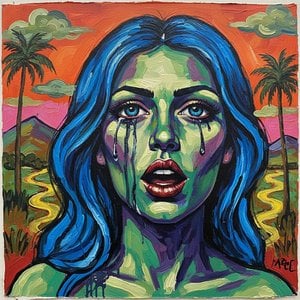
Embark on a journey through the vibrant world of Fauvism. Discover how masters like Henri Matisse revolutionized art through bold colors and raw emotion in this expert-led guide to one of modern art's most powerful movements.

Master the nuances of three-dimensional art with our expert guide. Explore sculptural history, from Phidias to Neoclassicism, and learn to evaluate materiality, form, and technique like a true connoisseur. Elevate your collection with profound insights into the world of sculpture.


 Del
Del Del
Del
 Detaljer

 Download
 Lignende værker
 Diasshow
 Se mere




































 Glasmulighed er kun tilgængelig i størrelser under 110 cm


