


Giclée- eller lærredstryk i museumskvalitet med hurtig produktion og fleksible muligheder for finish. ( Køb håndlavet maleri Køb billede)





























Vælg mellem vores forudindstillede størrelser, der matcher kunstværkets originale proportioner.

Du kan indtaste dine egne mål for at passe til en specifik ramme eller et bestemt område. Hvis den valgte størrelse ikke stemmer overens med det originale billedes proportioner, vil vi enten beskære kunstværket eller udvide billedet med en spejlet eller ensfarvet kant. En digital mockup vil blive sendt til din godkendelse, før produktionen påbegyndes.
Bemærk venligst, at forhåndsvisningen på skærmen ikke afspejler den faktiske beskæring eller udvidelse. Kun mockuppen vil nøjagtigt vise den endelige komposition.
Selvom specialmål er tilgængelige, anbefaler vi at vælge et mål fra den foruddefinerede liste for at bevare de originale proportioner.
Verdensomspændende levering () på 2 uger i stedet for de sædvanlige 4/5 uger. (6 september)


the moraccans
Størrelse på reproduktion
Henri Matisse's “The Moroccans,” painted in 1916 during his transformative sojourn in Morocco, isn’t merely a depiction of a street scene; it’s an immersive experience—a vibrant distillation of color, form, and the artist’s burgeoning fascination with North African culture. This captivating work, currently residing within the esteemed collection of the Museum of Modern Art (MoMA) in New York City, represents a pivotal moment in Matisse's artistic evolution, marking his transition from traditional academic painting towards the bold experimentation that would define his Fauvist period.
The scene unfolds with an almost hallucinatory intensity. A central figure, a man seated on the ground, is rendered in a simplified, almost mask-like fashion—his back turned to the viewer, inviting speculation about his thoughts and experiences. Before him lies a captivating arrangement of oranges, their brilliant hues echoing throughout the composition. These aren’t simply fruits; they become symbolic anchors, radiating warmth and vitality against the cooler tones of the surrounding architecture. Behind this tableau, glimpses of a bustling street reveal a series of buildings, hinting at a vibrant urban life, while a mosque's minaret punctuates the skyline.
“The Moroccans” is firmly rooted in the principles of Cubism, though Matisse’s interpretation diverges significantly from Picasso’s more analytical approach. Rather than dissecting objects into geometric fragments, Matisse employs a flattened perspective and overlapping planes to create an illusion of depth—a sense of being enveloped within the scene. The colors themselves are paramount; they aren't used descriptively but rather expressively, creating a symphony of reds, yellows, greens, and browns that pulsate with energy. This deliberate departure from naturalistic representation is characteristic of Fauvism, where color becomes the primary subject matter.
Matisse’s technique is remarkably loose and gestural. He employs broad brushstrokes and vibrant washes of paint, creating a sense of movement and spontaneity. The surface of the canvas isn't meticulously rendered; instead, it’s alive with texture and visual rhythm. This tactile quality invites the viewer to engage with the painting on a visceral level, experiencing its energy directly.
The choice of subject matter—a Moroccan street scene—was deeply significant for Matisse. Morocco represented an escape from the constraints of European artistic conventions and a gateway to a world brimming with exotic beauty and sensory stimulation. The oranges themselves are laden with symbolism, representing abundance, fertility, and even sacrifice – all potent themes within Moroccan culture. The man seated on the ground could be interpreted as a contemplative figure, lost in thought or perhaps observing the vibrant life unfolding before him. The overall composition suggests a moment of quiet contemplation amidst the bustling activity of the street.
“The Moroccans” transcends its literal subject matter to evoke a powerful emotional response. It’s not simply a representation of a place; it's an evocation of atmosphere—a feeling of warmth, vibrancy, and exotic allure. The painting’s bold colors and dynamic composition create a sense of immediacy, drawing the viewer into the scene and inviting them to lose themselves in its sensory richness. It is a testament to Matisse’s ability to capture not just what he saw, but also what he *felt*—a profound connection to the world around him.
Today, “The Moroccans” stands as a cornerstone of modern art, demonstrating Matisse's revolutionary approach to color and form. Reproductions offer a chance to bring this captivating vision into your own space, injecting a dose of vibrant energy and exotic allure into any room.


1869 - 1954 , Frankrig
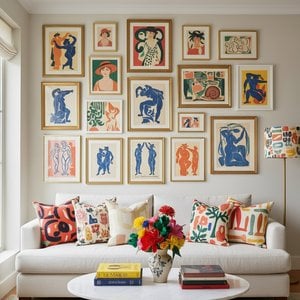
Oplev Henri Matisse' 25 mest ikoniske kunstværker – fra Fauvisme til Paper Cutouts. Lær historien bag farvernes mester og find inspiration til din boligindretning med museumskvalitets reproduktioner på WahooArt.com.
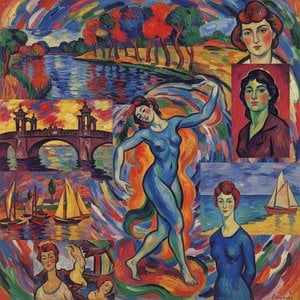
Oplev fauvismens 10 mest ikoniske værker! Dyk ned i Henri Matisse, André Derains og andre kunstneres vilde farver & expressionistiske stil. Find museumskvalitets reproduktioner og inspiration til din indretning på WahooArt.com.
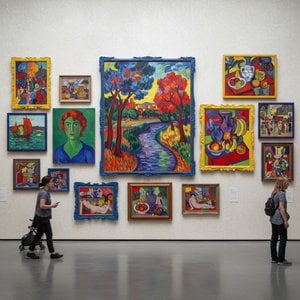
Oplev fauvismens 10 mest ikoniske værker! Dyk ned i Henri Matisse, André Derains og andre fauvisters revolutionerende brug af farver. Find inspiration til din boligindretning & køb museumskvalitets kunsttryk på WahooArt.com.

Explore the vibrant revolution of Fauvism. Discover how masters like Henri Matisse liberated color from reality to express pure emotion. An expert guide into the 'Wild Beasts' of modern art history for collectors and enthusiasts.
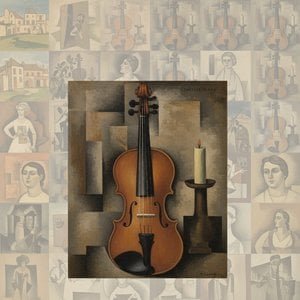
Oplev Georges Braques 25 mest ikoniske kunstværker! Dyk ned i kubismens verden, fra stilleben til analyse af form og farve. Find inspiration & køb eksklusive reproduktioner på WahooArt.com – museumskvalitet til dit hjem.

 Se i fuld skala
 Del
Del Del
Del
 Detaljer

 Download
 Lignende værker
 Røntgenundersøgelse
 Diasshow

 Se mere







 Glasmulighed er kun tilgængelig i størrelser under 110 cm


