Sælg din kunst
x
Se i fuld skalaSe i fuld skala AR-forhåndsvisningAR-forhåndsvisning Skift til print Skift til printSkift til håndmalet maleri Skift til håndmalet maleri DelDel
DetaljerDetaljer Tilføj til favoritter Tilføj til favoritter DownloadDownload Lignende værkerLignende værker RøntgenundersøgelseRøntgenundersøgelse DiasshowDiasshow

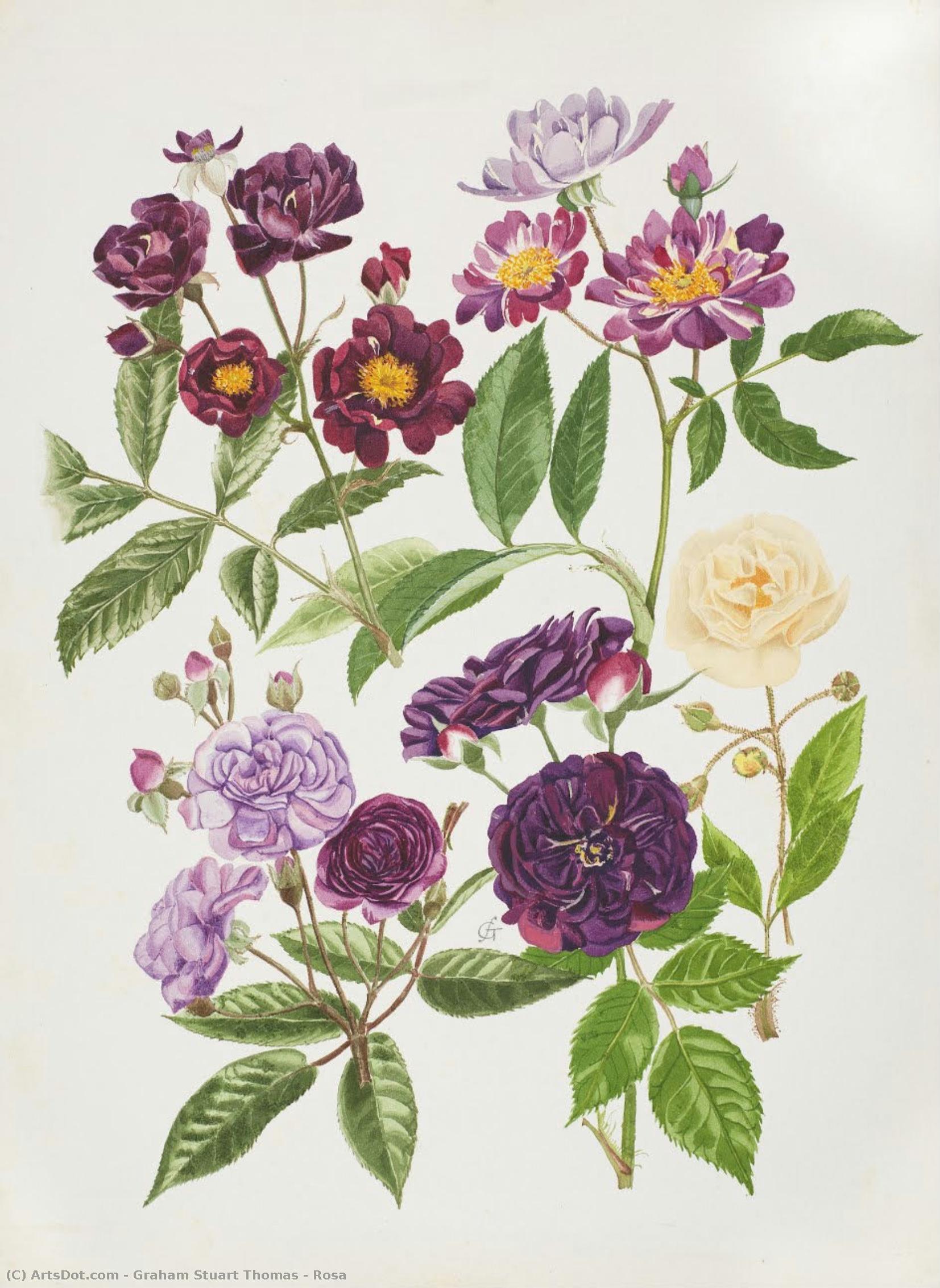
Rosa

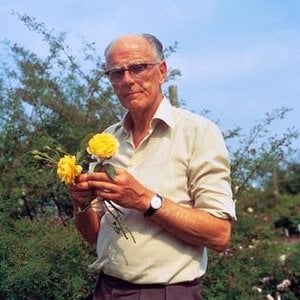
Graham Stuart Thomas (1909-2003) was a renowned English horticulturist celebrated for his rose cultivation, restoration of National Trust gardens, and influential gardening books. Explore his legacy in preserving heritage roses & alpine plants.

Køb et højopløst, forbedret digitalt billede, der er langt bedre end online-forhåndsvisningen.

Hver fil er omhyggeligt forberedt af vores interne specialister ved hjælp af avancerede værktøjer og ekspertmæssig manuel retuschering. Vi sikrer, at hvert billede har enestående klarhed, præcis farvegengivelse og fine detaljer.

Den endelige fil leveres via e-mail inden for 72 timer og er optimeret til øjeblikkelig brug i professionelle, redaktionelle og trykte miljøer. Det er den samme kvalitet, som førende designstudier, forlag og gallerier har tillid til.

Digitalt billede

Download en højopløselig fil til personlig fremvisning, print og kreative projekter. (Skift til print Skift til printSkift til håndmalet maleri Skift til håndmalet maleri)

Samlet pris

$9.99

Inkluderet i alle ordrer på digitale billeder

Ekspert digital levering, garanteret

Når du vælger WahooArt.com, får du ikke blot et billede – du modtager et professionelt optimeret digitalt kunstværk, skabt med præcision og sikret med en tilfredshedsgaranti. Her er alt, hvad din ordre automatisk indeholder:

shipping_icon
Hurtig levering via e-mail

Din højkvalitets digitale billedfil vil blive sendt til din e-mail inden for 72 timer efter bestilling – klar til øjeblikkelig brug.

canvas_icon
AI-optimeret digital fil

Dit kunstværk optimeres professionelt ved hjælp af avancerede AI-værktøjer og manuel redigering, hvilket sikrer maksimal detaljegrad, klarhed og farvenøjagtighed.

insurance_icon
Gratis livslang genlevering

Har du ved en fejl slettet eller mistet din fil? Ingen bekymring – vi sender den igen til enhver tid, helt gratis.

tax_icon
Ingen importgebyrer – nogensinde

Nyd dit kunstværk med det samme uden told, afgifter eller leveringsgebyrer – digitale downloads er altid skattefrie.

color_icon
Garanteret farvenøjagtighed

Vi sikrer, at dit digitale billede gengiver de originale farver så præcist som muligt ved hjælp af professionelle værktøjer og farvestyring.

return_icon
60 dages tilfredshedsgaranti

Hvis du ikke er tilfreds med dit digitale billede, vil vi revidere det eller refundere 100% inden for 60 dage – uden spørgsmål.

guarantee_icon
100% Pengene tilbage-garanti

Ik tilfreds? Få fuld refusion inden for 60 dage efter modtagelse af din digitale fil – uden spørgsmål.

discount_icon
Mængderabat

Køb 3 billeder, spar 10% - Køb 5, spar 15% - Køb 10+, spar 20%. Ideelt til kreative projekter, gallerier og bureauer.


Kunstnerens biografi

Francis Bacon: A Life Etched in Darkness

Born on October 28, 1909, in Dublin, Ireland, Francis Bacon’s life and art were inextricably linked to a profound sense of unease and existential questioning. His early years were marked by instability – his parents separated when he was young, and he spent much of his childhood moving between various relatives. This fragmented upbringing profoundly shaped his artistic vision, fostering a deep-seated preoccupation with isolation, pain, and the fragility of human existence. Unlike many artists who sought to capture beauty or idealized forms, Bacon relentlessly pursued the grotesque, the unsettling, and the raw depiction of psychological torment. He famously stated that he “saw images in series,” suggesting an almost compulsive need to return to recurring motifs – distorted faces, screaming figures, and fragmented bodies – each iteration imbued with a unique layer of anguish.

Bacon’s formal artistic training was minimal; he received only brief instruction at Yale University and the Art Students League in New York. This lack of traditional academic grounding proved liberating, allowing him to develop his intensely personal and idiosyncratic style. He began his career as an interior decorator and bon vivant in London's Soho district, a vibrant hub of artists, writers, and intellectuals. This bohemian lifestyle fueled his artistic exploration, providing him with a network of friends – Lucian Freud, John Deakin, Henrietta Moraes, and others – who became recurring subjects in his work. These figures weren’t simply portraits; they were embodiments of the anxieties and passions that consumed Bacon.

The Evolution of a Style: From Bio-Morphs to Crucifixions

Bacon's artistic journey can be broadly divided into several distinct periods, each characterized by a specific thematic focus. His early work in the 1930s, often referred to as “bio-morphs,” featured distorted, almost embryonic figures – a direct influence of Picasso’s work—that seemed to emerge from a primal darkness. These figures were frequently enclosed within geometric structures, suggesting a sense of confinement and psychological distress. As World War II loomed, Bacon's art became increasingly preoccupied with violence and suffering, culminating in the harrowing *Three Studies for Figures at the Base of a Crucifixion* (1944), a triptych depicting three screaming figures emerging from a pool of blood.

The 1940s saw the emergence of his iconic “male heads” – isolated, staring faces trapped within claustrophobic rooms or enclosed by sharp angles. These images powerfully conveyed feelings of loneliness, paranoia, and impending doom. In the mid-to-late 1950s, Bacon shifted his attention to animals—particularly hens and pigs—and lone figures, often depicted in dramatic, almost theatrical poses. This period marked a move towards greater abstraction, with forms becoming increasingly fragmented and distorted. The 1960s brought a renewed focus on crucifixions, reflecting the artist’s growing interest in mortality and religious iconography. Finally, in his later years, Bacon returned to portraits of friends and companions, often rendered in somber, technical paintings that seemed to capture the passage of time and the inevitability of death – exemplified by *The Black Triptychs* (1982-1985).

Influences and Techniques

Bacon’s art was shaped by a diverse range of influences. He admired the work of artists such as Picasso, whose distorted figures provided a starting point for his own explorations of form and expression. He also drew inspiration from Surrealism, particularly the works of Max Ernst and Salvador Dalí, which explored the subconscious mind and the irrationality of human experience. Bacon’s technique was equally innovative. He employed a distinctive method of applying paint directly to the canvas with minimal preparation, often using rags, knives, and other tools to create textured surfaces and jagged edges. His use of color was deliberately jarring – harsh reds, yellows, and blacks dominated his palette, contributing to the overall sense of unease and drama in his paintings.

Legacy and Significance

Francis Bacon died on April 28, 1992, leaving behind a body of work that continues to challenge and disturb viewers. His art is often described as “nightmarish” or “grotesque,” but it also possesses a profound emotional resonance. Bacon’s unflinching depiction of human suffering—both physical and psychological—has cemented his place as one of the most important artists of the 20th century. He rejected traditional notions of beauty and representation, instead offering a brutally honest and deeply unsettling vision of the human condition. His influence on subsequent generations of artists is undeniable, and his work remains a powerful testament to the enduring power of art to confront us with our own mortality.

graham stuart thomas

graham stuart thomas

1909 - 2003 , United Kingdom

Kort om kunstneren

  • Artistic Movement Or Style: Figurative painting
  • Artists Or Movements Influenced By This Artist: ['Existentialism']
  • Artists Who Influenced This Artist:
    • Picasso
    • Furies
  • Date Of Birth: October 28, 1909
  • Date Of Death: April 28, 1992
  • Full Name: Francis Bacon
  • Nationality: British
  • Notable Artworks:
    • Three Studies for Figures at the Base of a Crucifixion
    • Study for a Self-Portrait—Triptych
  • Place Of Birth: Dublin, Ireland