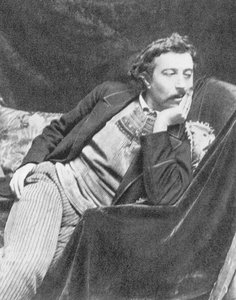
Eugène Henri Paul Gauguin: En Revolutionær Kunstner i Farvernes Verden
Eugène Henri Paul Gauguin, et navn der runger af levende farver og rebelsk ånd, står som en central figur i overgangen fra Impressionismen til moderne kunst. Han blev født i Paris i 1848, og hans liv var langt fra konventionelt. Hans tidlige år var formet af en usædvanlig opvækst; hans far var journalist, og hans mor nedstammet fra peruviansk aristokrati – hendes bedrømmelse Flora Tristan, en banebrydende feminist og socialistisk forfatter hvis idealer utvivlsomt resonerede i familien. Dette arv ville dybtgående forme Gauguins kunstneriske vision, og give ham en fascination med kulturer uden for Europa. En vigtig periode tilbragt i Peru som barn, efterfulgt af familiens flytning i 1850, fordypede ham i en verden langt fra parisamfundet – en oplevelse der hang ved og ultimativt brændte hans søgen efter autenticitet i kunsten. Tilbage til Frankrig efter sin fars død modtog Gauguin en formel uddannelse, men fandt sig selv tiltrukket af finansverdenen snarere end akademiet, og begav sig ud på en karriere som aktiehandler – en vej der tilsyneladende var i modstrid med den kunstneriske skæbne, der ventede ham.
Fra Finans til Kunstnerisk Kald
I mange år førte Gauguin et dobbelt liv, hvor han omhyggeligt forfulgte sine forretningsinteresser, mens han hemmeligt plejede en passion for maleri. I første omgang blev han påvirket af Impressionisterne og eksperimenterede med farve og lys i sin fritid, men følte hurtigt sig begrænset af deres dedikation til at fange flygtige øjeblikke af virkeligheden. Den finansielle krise i 1882 viste sig at være en vendepunkt, der tvang ham til at forlade sin lukrative karriere og fuldt ud omfavne sin kunstneriske kaldelse. Dette var ikke blot et skifte i erhverv – det var en fundamental ændring i verdenssynet. Han søgte vejledning fra Camille Pissarro, der opmuntrede ham til at udvikle sig og introducerede ham til de avantgarde kredse i Paris. Alligevel begyndte Gauguin hurtigt at afvige fra impressionistiske principper, længende efter noget mere udtryksfuldt, mere symbolsk – en måde at kommunikere ikke kun hvad han *så*, men hvad han *følte*. Denne længsel førte ham på en rejse for kunstnerisk udforskning, der ville føre ham langt ud over de parisensiske saloner og ind i hjertet af “primitiv” kulturer. Han var ikke blot interesseret i at forestille sig disse kulturer; han søgte at absorbere deres essens, idet han mente, at de indeholdt en renhed tabt i vestlig civilisation.
Opdagelsen af Bretagne og Tahiti
Gauguins kunstneriske udvikling var uadskillelig fra hans rejser. Han tilbragte tid i Bretagne, fortryllet af landskabets robuste landskaber og de dybt rodfæstede traditioner i dets folk. Denne periode så ham eksperimentere med flade former, dristige konturer og en forenkling af komposition – teknikker, der flyttede ham længere væk fra naturalismen og tættere på et mere symbolsk sprog. Men hans rejse til Tahiti i 1891 udløste virkelig hans kreative potentiale. Søgende efter tilflugt fra det, han betragtede som de kvælende begrænsninger af europæisk civilisation, håbede Gauguin at finde inspiration i polynesisk kultur, idet han mente, at den tilbød en renere, mere autentisk måde at leve på. Dette var ikke blot en kunstnerisk søgen – det var en åndelig mission. Han fordybede sig i lokale skikke og overbevisninger, forestillede polynesiske kvinder, landskaber og religiøse praksisser gennem sit unikke perspektiv. Påvirket af japanske tryk – *Japonisme* – og middelalderkunst udviklede han en distinkt æstetik karakteriseret ved levende farver, eksotisk emnevalg og et præg af mystik. Ikoniske malerier som
“Vahine no te miti” (Kvinde med mango),
“Manao Tupapau” (Overvåget af den døde ånds ånd) og
“Dagen for guderne” opstod i denne periode, hvilket cementerede hans ry som en visionær kunstner. Hans brug af farver blev stadig mere dristig og ikke-naturlig, tjent til at udtrykke følelser og åndelig mening snarere end blot at gengive virkeligheden.
Arv og Kontrovers
Trods sin kunstneriske gennembrud var Gauguins liv ofte præget af vanskeligheder. Han kæmpede med økonomiske problemer og forværret helbred under sit ophold i Tahiti og senere på Marquesasøerne, hvor han endelig etablerede sig. Alligevel fortsatte han at male produktivt, utrætteligt udforskende temaer om liv, død og åndelighed. Han døde i 1903 på Hiva Oa, en afsidesliggende ø i Marquesasøerne, stort set ukendt for sin genialitet. Kun efter hans død begyndte Gauguins værk at modtage den anerkendelse, det fortjente. I dag fejres han som en central figur i udviklingen af moderne kunst, der forbinder Impressionismen med Symbolismen og baner vejen for bevægelser som Fauvisme. Hans brug af farver, flade former og symbolsk billedsprog har haft en dybtgående indflydelse på kunstnere som Pablo Picasso, Henri Matisse og mange andre. Alligevel er Gauguin fortsat en kontroversiel figur på grund af aspekter af hans personlige liv – især hans forhold til unge polynesiske kvinder – som fortsat debatteres og fortolkes i lyset af nutidige etiske overvejelser. Alligevel er hans kunstneriske bidrag uomtvisteligt, og hans arv inspirerer kunstnere og kunstelskere verden over. Han var en sand innovator, en rebelsk sjæl, der modigt udfordrede konventioner og skabte sin egen vej – efterlod et værk, der er lige så fængslende og gådefuld som manden selv.
Nøglepåvirkninger & Kunstneriske Karakteristika
- Impressionisme: Tidlig indflydelse på farve og lys, senere afvist for dets fokus på flygtige øjeblikke.
- Japonisme: Inspireret til flade perspektiver, dristige konturer og dekorative mønstre.
- Middelalderkunst: Påvirket symbolsk billedsprog og en afvisning af streng realisme.
- Syntetisme: En stil udviklet af Gauguin, der understregede skabelsen af kunst baseret på subjektiv oplevelse snarere end objektiv observation.
- Primitivism: Fascination med ikke-vestlige kulturer, idet man mente, at de tilbød en renere og mere åndelig måde at leve på. Dette afspejles i hans emnevalg og stilistiske valg.



 Se i fuld skala
 Køb håndlavet maleri
 Del
Del Del
Del
 Detaljer

 Download
 Lignende værker
 Røntgenundersøgelse
 Diasshow
 Stats
Stats


 Se mere






































 Glasmulighed er kun tilgængelig i størrelser under 110 cm