GRATIS KUNSTRÅDGIVNING

x
Bestil tryk Bestil trykBestil maleri Bestil maleri DelDel
DetaljerDetaljer Tilføj til favoritter Tilføj til favoritter DownloadDownload Lignende værkerLignende værker RøntgenRøntgen DiasshowDiasshow

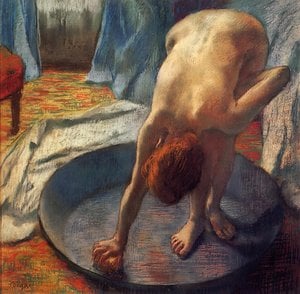
Tea table

Discover Bernard Molitor’s exquisite 18th-century French furniture: tables, secretaires & more. Explore his unique style & legacy through art & museum collections.

Køb et højopløst, forbedret digitalt billede, der er langt bedre end online-forhåndsvisningen.

Hver fil er omhyggeligt forberedt af vores interne specialister ved hjælp af avancerede værktøjer og ekspertmæssig manuel retuschering. Vi sikrer, at hvert billede har enestående klarhed, præcis farvegengivelse og fine detaljer.

Den endelige fil leveres via e-mail inden for 72 timer og er optimeret til øjeblikkelig brug i professionelle, redaktionelle og trykte miljøer. Det er den samme kvalitet, som førende designstudier, forlag og gallerier har tillid til.

Digitalt billede

Download en højopløselig fil til personlig fremvisning, print og kreative projekter.

Samlet pris

$9.99

Inkluderet i alle ordrer på digitale billeder

Ekspert digital levering, garanteret

Når du vælger WahooArt.com, får du ikke blot et billede – du modtager et professionelt optimeret digitalt kunstværk, skabt med præcision og sikret med en tilfredshedsgaranti. Her er alt, hvad din ordre automatisk indeholder:

shipping_icon
Hurtig levering via e-mail

Din højkvalitets digitale billedfil vil blive sendt til din e-mail inden for 72 timer efter bestilling – klar til øjeblikkelig brug.

canvas_icon
AI-optimeret digital fil

Dit kunstværk optimeres professionelt ved hjælp af avancerede AI-værktøjer og manuel redigering, hvilket sikrer maksimal detaljegrad, klarhed og farvenøjagtighed.

insurance_icon
Gratis livslang genlevering

Har du ved en fejl slettet eller mistet din fil? Ingen bekymring – vi sender den igen til enhver tid, helt gratis.

tax_icon
Ingen importgebyrer – nogensinde

Nyd dit kunstværk med det samme uden told, afgifter eller leveringsgebyrer – digitale downloads er altid skattefrie.

color_icon
Garanteret farvenøjagtighed

Vi sikrer, at dit digitale billede gengiver de originale farver så præcist som muligt ved hjælp af professionelle værktøjer og farvestyring.

return_icon
60 dages tilfredshedsgaranti

Hvis du ikke er tilfreds med dit digitale billede, vil vi revidere det eller refundere 100% inden for 60 dage – uden spørgsmål.

guarantee_icon
100% Pengene tilbage-garanti

Ik tilfreds? Få fuld refusion inden for 60 dage efter modtagelse af din digitale fil – uden spørgsmål.

discount_icon
Mængderabat

Køb 3 billeder, spar 10% - Køb 5, spar 15% - Køb 10+, spar 20%. Ideelt til kreative projekter, gallerier og bureauer.

Beskrivelse af samlerobjektet

Bernard Molitor was born in Luxembourg. He enjoyed a brilliant career as a cabinetmaker in Paris, where he settled in 1778. From the end of the reign of Louis XVI until the Restoration, he acquired a reputation based on his preference for beautiful mahoganies, which gave a great sense of unity to his work. These large tea tables with revolving marble tops were one of his specialties; they were designed to stand in the middle of a drawing room.

Kunstnerens biografi

Bernard Molitor: The Luxembourgish Master of the French Court

Bernard Molitor, a name perhaps less familiar than those of his 18th-century contemporaries, nevertheless stands as a pivotal figure in the history of French furniture design. Born in Betzdorf, Luxembourg, in 1755 – a region steeped in both Germanic and French influences – Molitor’s journey from a miller's son to a celebrated cabinetmaker reflects the dynamic cultural shifts of his era. His early life, marked by exposure to both practical craftsmanship and burgeoning artistic sensibilities, laid the foundation for a career that would ultimately secure him a place among the most esteemed artisans serving the French court. Molitor’s story is one of adaptation, innovation, and an unwavering commitment to quality – qualities that resonated deeply with the tastes of royalty and aristocracy alike.

Early Years and Parisian Apprenticeship

Molitor's relocation to Paris in 1777 proved a transformative moment. He sought out his cousin, already established as a cabinetmaker, offering an invaluable opportunity for apprenticeship within the heart of France’s burgeoning furniture industry. This period wasn’t merely about acquiring technical skills; it was a crucial immersion into Parisian artistic trends and the evolving demands of a sophisticated clientele. Early advertisements reveal Molitor's initial ventures – selling insecticides and handwarmers shaped like books – demonstrating an entrepreneurial spirit alongside his developing craft. These early endeavors, though seemingly disparate, highlight a keen awareness of consumer needs and a willingness to experiment with new materials and designs. Crucially, this period also exposed him to the influence of English furniture styles, a trend that would significantly shape his later work.

Marriage, Guild Membership, and Royal Patronage

A pivotal event in Molitor’s career was his marriage in 1787 to the daughter of a *charpentier du roi* (royal carpenter), granting him entry into the prestigious guild of cabinetmakers. This elevation marked a significant professional ascent, solidifying his position within the Parisian furniture trade and affording him access to royal commissions. His workshop quickly gained renown, fueled by meticulous craftsmanship and an understanding of luxurious materials – particularly precious woods like mahogany and ebony. The appointment as *maître ébéniste* (master cabinetmaker) in 1787 was a testament to his skill and reputation. Notably, Molitor’s early work benefited from the patronage of Marie Antoinette, who commissioned floor paneling for her boudoir at Fontainebleau – an honor that underscored his growing influence within the royal circles.

The Revolutionary Years and Napoleonic Influence

The French Revolution dramatically altered Molitor's trajectory. Initially targeted due to his connections with the aristocracy, he narrowly avoided persecution, a testament to his adaptability and discreetness. During this tumultuous period, his style shifted towards greater austerity, reflecting the prevailing republican ideals – eschewing elaborate ornamentation in favor of simpler designs. However, even amidst political upheaval, Molitor’s commitment to quality remained unwavering. Following Napoleon's rise to power, he once again found himself in demand, supplying imperial furnishings for Saint-Cloud Palace. This period witnessed a resurgence of opulent styles, mirroring the emperor’s own grandeur and reflecting the influence of Louis XVI design principles.

Legacy and Enduring Influence

Bernard Molitor's career spanned over half a century, encompassing a remarkable range of stylistic influences and royal commissions. His furniture is characterized by impeccable craftsmanship, meticulous attention to detail, and an elegant balance between functionality and aesthetic appeal. His work demonstrates a sophisticated understanding of proportion, symmetry, and the interplay of materials – particularly the skillful application of veneering techniques. Molitor’s legacy extends beyond his individual creations; he played a crucial role in shaping the evolution of French furniture design during a period of profound social and political change. His pieces are now highly sought after by collectors and museums worldwide, offering a tangible connection to a bygone era of royal patronage and artistic excellence. His influence can still be seen today in the enduring appeal of classic French furniture – a testament to the skill and vision of this remarkable Luxembourgish master.
bernard molitor

bernard molitor

1755 - 1833 , France

Kort om kunstneren

  • Artistic Movement Or Style: French Furniture Maker
  • Artists Or Movements Influenced By This Artist:
    • Van Gogh
    • Gauguin
  • Artists Who Influenced This Artist: ['Michel Molitor']
  • Date Of Birth: October 22, 1755
  • Date Of Death: November 17, 1833
  • Full Name: Bernard Molitor
  • Nationality: Luxembourgish, French
  • Notable Artworks:
    • Tables
    • Secretaires
  • Place Of Birth: Betzdorf, Luxembourg