x
Køb et højopløst, forbedret digitalt billede, der er langt bedre end online-forhåndsvisningen.
Hver fil er omhyggeligt forberedt af vores interne specialister ved hjælp af avancerede værktøjer og ekspertmæssig manuel retuschering. Vi sikrer, at hvert billede har enestående klarhed, præcis farvegengivelse og fine detaljer.
Den endelige fil leveres via e-mail inden for 72 timer og er optimeret til øjeblikkelig brug i professionelle, redaktionelle og trykte miljøer. Det er den samme kvalitet, som førende designstudier, forlag og gallerier har tillid til.
Download en højopløselig fil til personlig fremvisning, print og kreative projekter.
Når du vælger WahooArt.com, får du ikke blot et billede – du modtager et professionelt optimeret digitalt kunstværk, skabt med præcision og sikret med en tilfredshedsgaranti. Her er alt, hvad din ordre automatisk indeholder:
Din højkvalitets digitale billedfil vil blive sendt til din e-mail inden for 72 timer efter bestilling – klar til øjeblikkelig brug.
Dit kunstværk optimeres professionelt ved hjælp af avancerede AI-værktøjer og manuel redigering, hvilket sikrer maksimal detaljegrad, klarhed og farvenøjagtighed.
Har du ved en fejl slettet eller mistet din fil? Ingen bekymring – vi sender den igen til enhver tid, helt gratis.
Nyd dit kunstværk med det samme uden told, afgifter eller leveringsgebyrer – digitale downloads er altid skattefrie.
Vi sikrer, at dit digitale billede gengiver de originale farver så præcist som muligt ved hjælp af professionelle værktøjer og farvestyring.
Hvis du ikke er tilfreds med dit digitale billede, vil vi revidere det eller refundere 100% inden for 60 dage – uden spørgsmål.
Ik tilfreds? Få fuld refusion inden for 60 dage efter modtagelse af din digitale fil – uden spørgsmål.
Køb 3 billeder, spar 10% - Køb 5, spar 15% - Køb 10+, spar 20%. Ideelt til kreative projekter, gallerier og bureauer.
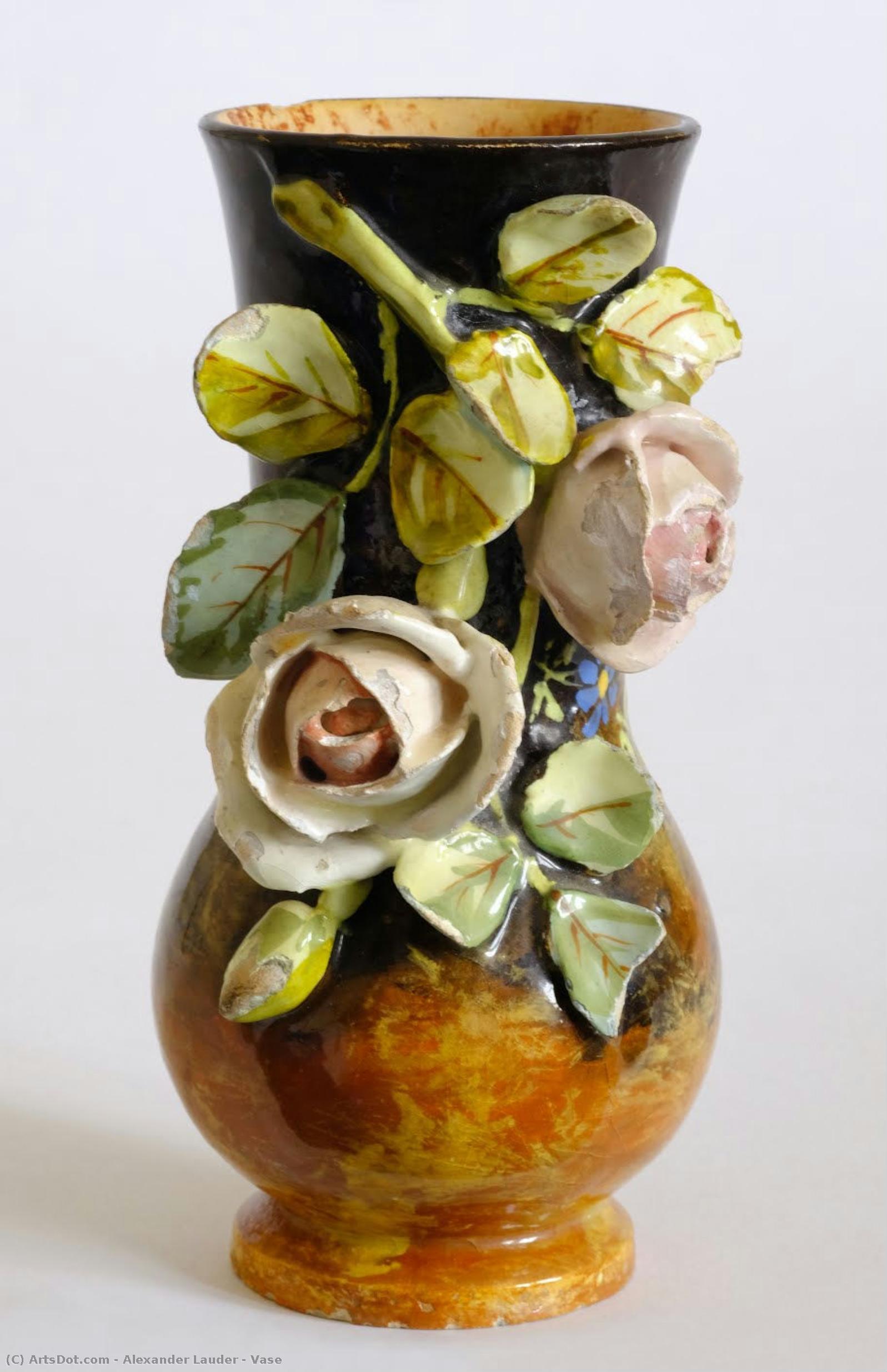
Alexander Lauder (1870-1943) presents a fascinating paradox – a dedicated agricultural chemist who found profound artistic expression in the delicate world of ceramic painting. Born in Greenock, Scotland, his life was initially defined by rigorous scientific pursuit, yet he cultivated a parallel passion that blossomed into a charming and distinctive body of work. Lauder’s story isn't one of abandoning science for art, but rather of seamlessly integrating observation, precision, and an appreciation for the natural world honed through his professional life into his creative endeavors.
Lauder received his early education at the Andersonian College in Glasgow under the tutelage of Professor William Dittmar, a figure known for his work in analytical chemistry. He continued his studies at the University of Edinburgh, laying a solid foundation in scientific principles. His career path led him through academic positions – beginning as an assistant lecturer at University College Bangor in Wales before returning to Edinburgh, where he lectured in Agricultural Chemistry and also shared his expertise at the East of Scotland College of Agriculture. It was during this period, residing at 13 George Square, that Lauder began to explore his artistic inclinations more fully.
While deeply immersed in the world of chemistry, Lauder’s artistic journey wasn't a sudden shift but a gradual unfolding. His scientific background profoundly influenced his approach to painting. He possessed an acute eye for detail and a methodical understanding of materials – qualities that translated beautifully into his ceramic work. The precision required in chemical analysis likely fostered a similar attention to nuance when mixing pigments and applying brushstrokes. It’s tempting to speculate whether his research into agricultural processes sparked a deeper appreciation for the organic forms and subtle colors found in nature, which became central themes in his art.
Lauder's work is characterized by its gentle realism and idyllic scenes. He didn’t strive for grand statements or dramatic compositions; instead, he focused on capturing quiet moments of beauty – a duck peacefully foraging, the delicate curve of a flower petal, the soft glow of light on water. His paintings often feature charming depictions of domestic animals, particularly ducks, rendered with a warmth and affection that resonates deeply with viewers. These weren’t merely representations; they were imbued with a sense of tranquility and harmony.
Lauder’s dedication to his field was formally recognized in 1905 when he obtained a Doctor of Science (DSc) degree from the University of Edinburgh. Further testament to his standing within the scientific community came in 1910 with his election as a Fellow of the Royal Society of Edinburgh. His proposers – Sir James Johnston Dobbie, Alexander Crum Brown, Sir James Walker, and Arthur Pillans Laurie – were all prominent figures in their respective fields, signifying the respect he commanded among his peers. He further served the society as its Secretary from 1923 to 1928.
However, it is through his art that Lauder perhaps leaves the most enduring legacy. While not widely known during his lifetime, his ceramic paintings have gained appreciation in recent years for their unique charm and understated beauty. His work offers a glimpse into a world where scientific rigor and artistic sensitivity coexist harmoniously.
Alexander Lauder’s art represents a delightful intersection of disciplines. He wasn’t simply an agricultural chemist who dabbled in painting; he was an artist whose scientific background informed his unique vision and approach. His paintings, particularly those featuring ducks, evoke a sense of peacefulness and nostalgia, offering a respite from the complexities of modern life.
His work stands as a testament to the power of observation, the beauty of simplicity, and the enduring appeal of the natural world. While his scientific publications contributed to the advancement of agricultural chemistry, it is through his ceramic paintings that Lauder’s spirit continues to captivate and inspire – a gentle reminder that art and science can coexist beautifully, enriching our understanding and appreciation of both.
1870 - 1943 , United Kingdom
Fortæl os om dit projekt, og vores kunsteksperter vil give dig 3 personlige kunstforslag.
Vi kuraterer 3 valgmuligheder kun til dig – Gratis!