


 EngravingWallArtNorthern Renaissance
 1514Renaissance
 19.0 x 24.0 cm
Giclée- eller lærredstryk i museumskvalitet med hurtig produktion og fleksible muligheder for finish. ( Køb håndlavet maleri Køb billede)





























Vælg mellem vores forudindstillede størrelser, der matcher kunstværkets originale proportioner.

Du kan indtaste dine egne mål for at passe til en specifik ramme eller et bestemt område. Hvis den valgte størrelse ikke stemmer overens med det originale billedes proportioner, vil vi enten beskære kunstværket eller udvide billedet med en spejlet eller ensfarvet kant. En digital mockup vil blive sendt til din godkendelse, før produktionen påbegyndes.
Bemærk venligst, at forhåndsvisningen på skærmen ikke afspejler den faktiske beskæring eller udvidelse. Kun mockuppen vil nøjagtigt vise den endelige komposition.
Selvom specialmål er tilgængelige, anbefaler vi at vælge et mål fra den foruddefinerede liste for at bevare de originale proportioner.
Verdensomspændende levering () på 2 uger i stedet for de sædvanlige 4/5 uger. (6 september)


Melancholy I
Størrelse på reproduktion
Albrecht Dürer's Melancholy I, created in 1514, is more than just a depiction of a sorrowful woman; it’s a profound meditation on the human condition, rendered with an unparalleled mastery of engraving. This intimate scene, measuring 19 x 24 cm, immediately draws the viewer into a world of quiet despair and introspective contemplation. The subject, a young woman seated in a chair, her head bowed as if lost in grief or overwhelmed by thought, embodies the core theme of *Melancholy* – not simply sadness, but a complex psychological state characterized by intense longing, artistic inspiration, and a heightened sensitivity to beauty and decay.
Beyond the immediate depiction of sorrow, Melancholy I is rich in symbolic meaning. The woman's posture – head bowed, hands clasped – is a universal gesture of grief and introspection. The dog at her feet offers a poignant symbol of comfort and loyalty, perhaps representing the solace found in companionship during times of distress. The presence of another figure seated further back suggests an observer, possibly a witness to this private moment of anguish or a representation of the broader societal impact of melancholy.
Created during a period of intense personal reflection for Dürer – marked by periods of profound melancholy and artistic breakthrough – Melancholy I offers a rare glimpse into the artist’s own psychological state. It is believed that this engraving was born from his exploration of the concept of *Melancholia*, a prevalent theme in Renaissance art and literature, linked to the humoral theory of medicine which posited that imbalances in bodily fluids could cause illness and emotional distress.

Dürer’s indflydelse resonerer gennem århundredernes kunsthistorie. Hans præcise realisme, hans innovative brug af trykkunst og hans teoretiske skrifter inspirerer stadig kunstnere og forskere i dag.

1471 - 1528 , Tyskland

Explore the profound mastery of engraving and intaglio printmaking. Delve into the rich history, technical precision of the burin, and the enduring legacy of fine art techniques that shaped the world's most iconic masterpieces.
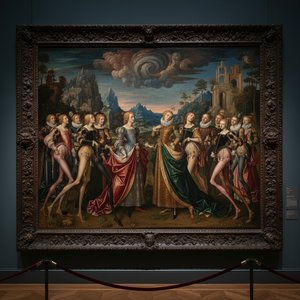
Explore the dramatic evolution of Northern Mannerism. Discover how masters like Bosch and Grünewald transitioned from Renaissance harmony to profound, elegant distortion through an expert analysis of symbolism, emotional intensity, and artistic innovation.

 Se i fuld skala
 Del
Del Del
Del
 Detaljer

 Download
 Lignende værker
 Røntgenundersøgelse
 Diasshow
 Se mere







 Glasmulighed er kun tilgængelig i størrelser under 110 cm


