


 Acrylic On CanvasWallArtNorthern Renaissance
 1504
1504 252.0 x 194.0 cm
 Rijksmuseum
Giclée- eller lærredstryk i museumskvalitet med hurtig produktion og fleksible muligheder for finish. ( Køb håndlavet maleri Køb billede)





























Vælg mellem vores forudindstillede størrelser, der matcher kunstværkets originale proportioner.

Du kan indtaste dine egne mål for at passe til en specifik ramme eller et bestemt område. Hvis den valgte størrelse ikke stemmer overens med det originale billedes proportioner, vil vi enten beskære kunstværket eller udvide billedet med en spejlet eller ensfarvet kant. En digital mockup vil blive sendt til din godkendelse, før produktionen påbegyndes.
Bemærk venligst, at forhåndsvisningen på skærmen ikke afspejler den faktiske beskæring eller udvidelse. Kun mockuppen vil nøjagtigt vise den endelige komposition.
Selvom specialmål er tilgængelige, anbefaler vi at vælge et mål fra den foruddefinerede liste for at bevare de originale proportioner.
Verdensomspændende levering () på 2 uger i stedet for de sædvanlige 4/5 uger. (6 september)


Adam and Eve
Størrelse på reproduktion
Albrecht Dürer's "Adam and Eve," completed in 1504, is more than simply a depiction of the biblical narrative; it’s a profound meditation on humanity’s origins, innocence lost, and the burgeoning awareness of both beauty and transgression. This monumental work, measuring an impressive 252 x 194 cm, transcends its subject matter to become a cornerstone of Renaissance art, embodying the era's fascination with classical ideals, meticulous observation, and deeply layered symbolism. Dürer, born in Nuremberg in 1471, meticulously crafted this image during a period of immense artistic and intellectual ferment – a time when the rediscovery of ancient Greek and Roman texts fueled a renewed interest in humanism and a desire to understand humanity’s place within the cosmos.
Dürer's masterful rendering of Adam and Eve is immediately striking. The figures, rendered with an almost photographic realism for their time, are depicted in a state of pristine innocence. Their nudity isn’t presented as overtly sexual; rather, it represents vulnerability, exposure to the divine, and a fundamental connection to nature. Adam, standing on the left, holds the forbidden fruit – an apple whose form is subtly suggestive of both knowledge and danger. Eve, positioned on the right, gazes at the fruit with a mixture of curiosity and apprehension. Dürer’s attention to detail is breathtaking; observe the delicate veins in their hands, the subtle shading that defines their musculature, and the realistic rendering of their skin tones. This commitment to anatomical accuracy was revolutionary for its time, reflecting Dürer's deep understanding of human form and his desire to portray figures with unparalleled lifelikeness.
The setting itself is crucial to the painting’s meaning. The lush, vibrant garden of Eden isn’t merely a backdrop; it's an active participant in the drama. The trees, rendered with meticulous detail, create a sense of depth and enclosure, mirroring the feeling of being trapped within paradise. The two birds, one perched high on a branch and another flitting near the top left corner, are often interpreted as symbols of temptation and divine observation – watchful guardians of humanity’s fate. The placement of these elements is deliberate, guiding the viewer's eye through the scene and reinforcing the narrative’s central themes. The overall composition—a carefully balanced arrangement of figures and foliage—evokes a sense of harmony and order, subtly disrupted by the introduction of the apple.
“Adam and Eve” is not an oil painting but a woodcut, a technique Dürer mastered with unparalleled skill. This medium demanded a radically different approach to rendering form and color. Instead of layering pigments, Dürer used meticulously carved blocks of wood to create multiple prints from a single design. The resulting monochrome image possesses a remarkable clarity and precision—a testament to his extraordinary technical abilities. The subtle gradations of tone are achieved through careful manipulation of the wood grain, creating an illusion of depth and volume that belies the limitations of the medium. Dürer’s mastery of woodcut allowed him to produce multiple copies of this iconic image, disseminating its profound message throughout Europe and cementing his legacy as one of the greatest artists of the Renaissance.
WahooArt offers exquisite, hand-painted reproductions of Albrecht Dürer's “Adam and Eve,” capturing the essence of this seminal work with unparalleled fidelity. Each reproduction is created by skilled artisans using traditional techniques, ensuring that you receive a timeless piece of art that will grace your home or office for generations to come. Explore our collection today and bring the beauty and complexity of Dürer’s “Adam and Eve” into your world.

Dürer’s indflydelse resonerer gennem århundredernes kunsthistorie. Hans præcise realisme, hans innovative brug af trykkunst og hans teoretiske skrifter inspirerer stadig kunstnere og forskere i dag.

1471 - 1528 , Tyskland

Embark on a visual journey through Claude Monet's Giverny. Discover the enchanting light, vibrant colors, and breathtaking landscapes of his legendary gardens through an expert exploration of Impressionist mastery and timeless beauty.
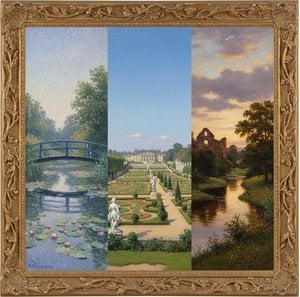
Embark on a visual journey through the serene beauty of gardens and parks in fine art. Discover how master artists capture nature's tranquility through impressionistic blooms and classical landscapes to bring timeless elegance into your home collection.

Explore the profound precision of German Renaissance art. From Albrecht Dürer’s intricate engravings to the soulful depth of Northern Renaissance portraiture, discover a masterclass in detail, humanism, and technical mastery for the true art enthusiast.

 Se i fuld skala
 Del
Del Del
Del
 Detaljer

 Download
 Lignende værker
 Røntgenundersøgelse
 Diasshow
 Se mere







 Glasmulighed er kun tilgængelig i størrelser under 110 cm


