x
Håndmalet olie på lærred i din valgte størrelse og ramme, udført efter bestilling af vores kunstnere.
Vælg mellem vores forudindstillede størrelser, der matcher kunstværkets originale proportioner.
Du kan indtaste dine egne mål for at passe til en bestemt ramme eller plads. Hvis den valgte størrelse ikke stemmer overens med det originale billedes proportioner, vil vi enten beskære kunstværket eller udvide maleriet med yderligere håndmalede elementer. En digital skitse sendes til din godkendelse, før produktionen påbegyndes.
Bemærk venligst, at forhåndsvisningen på skærmen ikke afspejler den faktiske beskæring eller udvidelse. Kun skitsen vil nøjagtigt vise den endelige komposition.
Selvom specialmål er mulige, anbefaler vi at vælge en dimension fra den foruddefinerede liste for at bevare de originale proportioner.
Levering i hele verden () på 3/4 uger i stedet for de standard 5 uger. (5 juli). Ingen kompromiser med kvaliteten.
Abduction
Størrelse på reproduktion
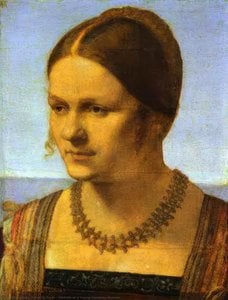
Albrecht Dürer’s “The Abduction,” executed in the precise and powerfully expressive style of Northern Renaissance engraving, is more than a depiction of a mythological scene; it’s a visceral plunge into primal terror. Completed around 1528, this work, rendered with meticulous detail on a copper or iron plate, captures a moment of agonizing struggle – a narrative steeped in allegory and brimming with the raw emotion that defined Dürer's artistic vision. The image depicts a chaotic tableau: figures, seemingly caught mid-flight, are violently seized by muscular horses, their forms intertwined in a desperate dance of resistance and defeat. This isn’t simply a story of abduction; it’s an exploration of powerlessness, vulnerability, and the overwhelming force of uncontrollable forces – themes that resonate powerfully even today.
Dürer's genius lies in his absolute command of engraving technique. The artwork is almost entirely defined by line; a dense network of hatching and cross-hatching meticulously crafted to build up tonal values and create an astonishingly realistic sense of volume and texture. The swirling lines depicting the horses’ manes and tails aren’t merely decorative; they are conduits of movement, conveying a palpable sense of speed and unrestrained power. The artist's mastery is evident in the subtle variations of line weight – thick strokes used to emphasize muscle definition on the horses, delicate lines defining the contours of human flesh, and fine hatching creating shadows that deepen the dramatic effect. This technique, perfected over decades of experimentation, elevates the engraving beyond a simple illustration into a powerful sculptural form.
“The Abduction” is rich in symbolic meaning, reflecting Dürer’s deep engagement with classical mythology and humanist thought. The winged figures, often interpreted as representing divine intervention or perhaps the forces of chaos itself, add a layer of supernatural drama to the scene. The fallen figure in the foreground – a stark reminder of vulnerability – immediately draws the viewer into the heart of the struggle. The overall composition, dominated by pyramidal structure and dynamic diagonals, amplifies the sense of instability and impending doom. Beyond its mythological context, the artwork speaks powerfully to universal human experiences: fear, loss of control, and the confrontation with overwhelming power. The expressions of panic and distress etched onto the faces of the figures are remarkably evocative, transporting us directly into the heart of the moment.
Dürer’s “The Abduction” is a quintessential example of Northern Renaissance engraving – a style characterized by its unparalleled attention to detail, expressive line work, and profound psychological depth. Executed during a period of intense artistic innovation, this piece reflects Dürer's fascination with both classical antiquity and the emerging humanist ideals of his time. The flattened perspective, common in engravings of the era, serves not as a limitation but as a deliberate stylistic choice, emphasizing the dramatic impact of the composition. This artwork represents a pivotal moment in the history of printmaking, demonstrating the potential for engraving to achieve a level of artistic sophistication previously thought unattainable.
Dürer’s indflydelse resonerer gennem århundredernes kunsthistorie. Hans præcise realisme, hans innovative brug af trykkunst og hans teoretiske skrifter inspirerer stadig kunstnere og forskere i dag.
1471 - 1528 , Tyskland
Fortæl os om dit projekt, og vores kunsteksperter vil give dig 3 personlige kunstforslag.
Vi kuraterer 3 valgmuligheder kun til dig – Gratis!