Ukiyo-e masters, in order

39 Famous Ukiyo-e Umělci: The Definitive Ranking

The most famous Ukiyo-e umělec is Hokusai Kacušika (1760–1849), known for Velká vlna Kanawagy a 富嶽三十六景 凱風快晴. Next come Hirošige, Utamaro Kitagawa, Yoshitoshi Taiso a Kijonaga Torii. This ranking of the 39 most famous Ukiyo-e umělci runs from Hishikawa Moronobu (born 1618) to Goyō Hashiguchi (born 1880), across 2 countries.

How this list is ranked. Artists whose works our catalogue files under Ukiyo-e, in the order of our fame ranking of artists. Artists without a Wikidata identifier born after 1955 are left out until verified. The Wikipedia figure next to each name is the number of our 32 languages in which Wikipedia has an article on the artist.

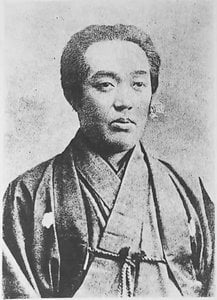
  1. Velká vlna Kanawagy od Hokusai Kacušika1Hokusai Kacušika
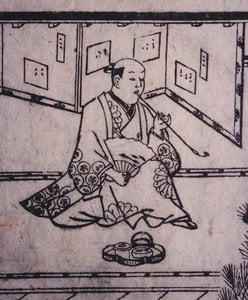
  2. Early Department from a Daimyo od Hirošige2Hirošige
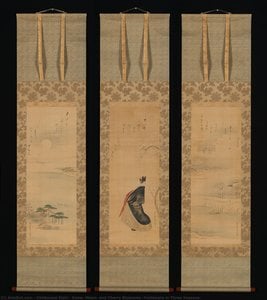
  3. Courtesan or Kneeling Lady with Fan from the series Seasonal Poems Composed by Famous Women od Utamaro Kitagawa3Utamaro Kitagawa

The essentials

Ukiyo-e at a glance

  • 39Umělci
  • 1618–1880Roky narození
  • 2Země narození
  • 0Ženy
  • 1Živí umělci
  • 5 896Díla v našem katalogu
Města s nejvyšším počtem narozených
Edo (8), Tokyo (8), Tokio (3), Osaka (2)
Muzea s největším počtem klíčových děl
Keio University Library (12), Bujalance Collection (11), Metropolitan Museum of Art (9), Indianapolis Museum of Art (2)

Ranked, with their masterpieces

The ranking: 39 Ukiyo-e Umělci and their key works

1of 39

Hokusai Kacušika

Japonec Born in Hondžo Ukiyo-e Wikipedia in 32/32 languages

Hokusai Kacušika

Již v šesti letech skicuje, poháněn hladem, který jeho otec, Nakajima Ise, sice rozpoznává, ale nedokáže plně nasměrovat. Ve dvanácti letech vstupuje do dílny Katsukawa Shunshō, kde se učí náročné preciznosti dřevorytu ukiyo-e. Kolem roku 1831 se objevuje série Třicet šest pohledů na horu Fuji, která zásadně mění rozsah japonského umění dřevorytu.

Key works · The 100 most famous works

2of 39

Hirošige

Japonský Born in Edo *Ukiyo-e* Wikipedia in 30/32 languages

Hirošige

Jeho život se odehrával za období relativního míru a prosperity pod Tokugawa šogunátu, přesto i za doby, která byla poznamenána rostoucím společenským vývojem a konečným západním vlivem – síly, které nakonec přispěly k úpadku ukiyo-e, i když zároveň zesilovaly jeho trvalé dědictví.

Pupil of Utagawa Toyohiro #26

Key works · The 100 most famous works

3of 39

Utamaro Kitagawa

Japonský Born in Kawagoe *Ukiyo-e* Wikipedia in 27/32 languages

Utamaro Kitagawa

Věří se, že se kolem roku 1753 narodil jako Kitagawa Ichitarō, přestože jeho místo narození zůstává nejisté; navrhována jsou různá místa včetně Kjóta, Ósaky, Yoshiwara (Edo) či Kawagoe. V roce 1782 spojil Utamaro své síly s vydavatelem Tsutaya Jūzaburō, což znamenalo zlomový okamžický v jeho kariéře.

Key works · The 100 most famous works

4of 39

Yoshitoshi Taiso

Japonec Born in Edo Ukiyo-e Wikipedia in 15/32 languages

Yoshitoshi Taiso

Narodil se jako Owariya Yonejiro dne 30. dubna 1839, muž, který se později proslavil pod jménem Tsukioka Yoshitoshi, vstoupil do světa v neustálém pohybu. Narodil se jako Owariya Yonejiro ve čtvrti Shimbashi starého Edo, a chlapec, který se později stal známým jako Tsukioka Yoshitoshi, vyrůstal v domácnosti, kterou formovala společenská ambice. V roce 1850, ve jedenácti letech, vstoupil do přísného učňovství pod vedením mistra Utagawa Kuniyoshi.

Key works · The 100 most famous works

5of 39

Kijonaga Torii

Japonský Born in Edo Ukiyo-e Wikipedia in 16/32 languages

Kijonaga Torii

Narodil se jako Sekiguchi Shinsuke v roce 1752 v pulzujícím srdci Edo (dnešní Tokio) a Torii Kiyonaga se vyvinul jako jeden z nejslavnějších mistrů ukiyo-e, tedy „obrázků svítejícího se světa“. Jako syn knihovníka měl Kiyonaga v raném věku přístup k kulturním proudům společnosti Edo, což v něm podpořilo hluboký vztah k živoblivým zábavním čtvrtím a vytříbenému vkusu tehdejšího lidu.

Key works · The 100 most famous works

6of 39

Kunijoši Utagawa

Japonský Born in Tokyo Ukiyo-e Wikipedia in 24/32 languages

Kunijoši Utagawa

While proficient in the established styles, he struggled to find his unique voice amidst the crowded landscape of Edo printmaking. This work catapulted Kuniyoshi to fame, establishing him as a master of musha-e – warrior prints. As the Edo period drew to a close, Japan experienced increasing contact with the West, and Kuniyoshi was among the first ukiyo-e artists to incorporate elements of Western perspective and shading into his work.

Pupil of Utagawa Toyokuni I #13 · Teacher of Utagawa Yoshitora #32, Kawanabe Kyōsai #11

Key works · The 100 most famous works

7of 39

Harunobu Suzuki

Japonec Born in Edo Ukiyo-e Wikipedia in 21/32 languages

Harunobu Suzuki

Narodil se kolem roku 1725 a jeho rodinná historie byla poznamenána vyhnanstvím; jak jeho otec Shigekazu, tak dědeček Shigemitsu, byli vyhnáni z Edo do Kiota. Jeho raná tvorba vykazuje hluboký vliv několika zavedených škol a umělců. Čerpal ze stylů Torii Kiyomitsu a Ishikawa Toyonobu, přičemž zároveň vstřebával prvky ze škol Kawamata a Kanō.

Key works · The 100 most famous works

8of 39

Hishikawa Moronobu

Japonec Born in Hota Ukiyo-e Wikipedia in 20/32 languages

Hishikawa Moronobu

Hishikawa Moronobu, narozen v Edo (dnešní Tokio) v roce 1618, představuje klíčovou postavu v historii japonského umění. Období Edo (1603–1868) bylo svědkem rozkvětu městské kultury, poháněného ekonomickým prosperitou a relativním mírem. Jeho dílo v sobě sjednotilo různé japonské umělecké styly – od vyvážené elegance malířské školy Kanō, přes dekorativní švihl ilustrací školy Tosa, až po dynamickou energii populárního divadla – a tyto vlivy propojil do jedinečné a přístupné estetiky.

Key works · The 100 most famous works

9of 39

Kunisada

Japanese Born in Edo Ukiyo-e Wikipedia in 17/32 languages

Kunisada

Utagawa Kunisada, narozený jako Sumida Shōgorō IX ve živoucí čtvrti Honjo v Japonsku, stojí jako pravděpodobně nejslavnější umělec ukiyo-e 19. století. Jeho neuvěřitelné tvůrčí množství a bezprecedentní komerční úspěch upečetily jeho postavení mezi giganty své doby – Hiroshige, Hokusai a Kuniyoshi – a ugruntovaly jeho status nepochybného šampiona barevného dřevorytu během období Edo.

Pupil of Utagawa Toyokuni I #13

Key works · The 100 most famous works

10of 39

Chobunsai Eishi

Japonská Born in Tokio Ukiyo-e, Bijin-ga Wikipedia in 11/32 languages

Chobunsai Eishi

Chobunsai Eishi (1756–1829), známý také jako Hosoda Tokitomi, představuje klíčovou postavu v živobném světě japonského umění období Edo. Jeho raná léta byla poznamenána službou na dwore Tokugawa, pozici, kterou v roce 1789 opustil, aby se plně oddal své vášni: zachycení vyjádřetné krásy žen a evokativních příběhů klasické literatury. Jeho dědeček, Hosoda Tokitoshi, sloužil jako finanční ministr šógunátu, což zajistilo jeho rodině postojné postavení v rámci císařského systému.

Key works · The 100 most famous works

11of 39

Kawanabe Kyōsai

Japanese Born in Koga Ukiyo-e, Caricature, Manga pioneer Wikipedia in 10/32 languages

Kawanabe Kyōsai

In 1874, he helped create what is considered the first manga magazine, Eshinbun Nipponchi, alongside Kanagaki Robun.

Key works · The 100 most famous works

12of 39

Keisai Eisen

Japanese Born in Edo Bunsei Era Ukiyo-e Wikipedia in 15/32 languages

Keisai Eisen

This shift defined the aesthetic of the Bunsei era (1818–1830), a period often characterized by its decadent and psychologically complex atmosphere.

Key works · The 100 most famous works

13of 39

Utagawa Toyokuni I

Japanese Born in Shiba Ukiyo-e Wikipedia in 13/32 languages

Utagawa Toyokuni I

Unlike some artists blessed with immediate, innate talent, Toyokuni appears to have been a dedicated student, meticulously absorbing the techniques and aesthetics of those who preceded him. He wasn't simply copying their styles but rather dissecting them, understanding their strengths, and ultimately synthesizing them into something uniquely his own. While Sharaku is often lauded by modern art historians for his psychological insight, it was Toyokuni who captured the hearts of the Edo public.

Teacher of Utagawa Kunimasa #15, Utagawa Toyokuni II #35

Key works · The 100 most famous works

14of 39

Hiroshige I (Utagawa)

Japanese Born in Tokyo Ukiyo-e

Hiroshige I (Utagawa)

Hiroshige I, Utagawa & Kiemon, Tsuruya, tento významný japonský tvůrce ukiyo-e, je nejvíce proslulý svými krajinnými výjevy, jako jsou Padesát tři stanic Tokaidó či Šedesát devět stanic Kisokaidó. Umělecký projev Hiroshigeho I, Utawagy & Kiemona, Tsuruyi je definován použitím živých barev a precizních detailů při zachycování krajiny.

Key works · The 100 most famous works

15of 39

Utagawa Kunimasa

Japonský Born in Aizuwakamatsu Utagawa škola

Utagawa Kunimasa

Toyokuni's influence ensured Kunimasa wouldn’t simply replicate his mentor’s style but would forge a path toward originality, blending stylistic elements into a cohesive artistic vision. This careful guidance established the groundwork for Kunimasa’s future accomplishments. Utagawa Kunimasa's influence extends far beyond his own lifetime.

Key works · The 100 most famous works

16of 39

Nishikawa Sukenobu

Japanese Born in Kyoto Ukiyo-e Wikipedia in 9/32 languages

Nishikawa Sukenobu

These works demonstrate his versatility as an artist and underscore his commitment to exploring diverse artistic mediums—a testament to his intellectual curiosity and artistic ambition. Legacy & Recognition: Nishikawa Sukenobu’s enduring legacy resides in his contribution to Japanese art history, particularly his groundbreaking portrayal of women. Influence on Subsequent Artists: Sukenobu’s influence extended far beyond his own lifetime, inspiring subsequent generations of printmakers like Suzuki Harunobu and Kitao Shigemasa.

Key works · The 100 most famous works

17of 39

Sharaku

Japan ukiyo-e Wikipedia in 19/32 languages

Sharaku

Sharaku's technique involved the use of woodblock prints, sometimes employing extravagant methods such as the dusting of mica in the backgrounds to create a glittering effect. His reputation rests largely on his earlier prints, while his later output is often considered to have a declining artistry. His portraits are noted for their ability to capture the psychology of a character through heightened theatrical gestures and expressive, almost caricature-like exaggerations.

Key works · The 100 most famous works

18of 39

Utashige

Japanese Ukiyo-e

Utashige

This quiet revolution – a departure from the more flamboyant styles of his predecessors – established Hiroshige as a uniquely sensitive and poetic artist, whose work continues to inspire awe and contemplation centuries later. Hiroshige’s prints are not simply images; they are windows into the soul of Japan. Following this triumph, he embarked on One Hundred Famous Views of Edo (1856–1858), a vertical-format series that celebrated his hometown with an unprecedented level of detail and emotional depth.

Key works · The 100 most famous works

19of 39

Miyagawa Chōshun

Japanese Born in Miyagawa Ukiyo-e Wikipedia in 9/32 languages

Miyagawa Chōshun

The works of Chōshun are instantly recognizable for their evocative atmosphere and tender execution. This sense of physical weight and warmth contributed to a realism that was both captivating and deeply human. His pupils, including his son Miyagawa Isshō and the talented Miyagawa Chōki, carried forward his dedication to depicting the tastes and textures of urban life.

Key works · The 100 most famous works

20of 39

Goyō Hashiguchi

Dutch Born in Kagoshima Post-Impressionism

Goyō Hashiguchi

Goyō’s initial foray into the art world wasn't through printmaking but rather illustration. In 1907 he won recognition for an ukiyo-e oil painting in the first Bunten show, but felt unfulfilled by public acceptance and returned to woodblock printing. Despite his frail health, exacerbated by beriberi, Goyō continued to produce prints at a remarkable pace from 1915 until his untimely death in 1921 at the age of forty-one.

Key works · The 100 most famous works

21of 39

Isoda Koryūsai

Japanese Born in Tokyo Ukiyo-e Wikipedia in 10/32 languages

Isoda Koryūsai

In the vibrant, bustling heart of the Edo period, a golden age of Japanese creativity, few names resonate with as much elegance and prolific energy as Isoda Koryūsai.

Key works · The 100 most famous works

22of 39

Ogata Gekko

Japanese Born in Tokyo Ukiyo-e, Nihonga Wikipedia in 9/32 languages

Ogata Gekko

His most celebrated series, “One Hundred Views of Mount Fuji” (1896-1905), exemplifies his mastery. Rather than simply depicting the iconic mountain as a static subject, Gekko captured its ever-changing moods and vistas with an astonishing range of perspectives and atmospheric conditions. The First Sino-Japanese War (1894-1895) provided him with opportunities to document this tumultuous period in Japanese history, producing powerful and evocative prints that captured the spirit of national pride and resilience.

Key works · The 100 most famous works

23of 39

Kobayashi Kiyochika

Japonština Born in Tokio Ukiyo-e, Kōsen-ga Wikipedia in 10/32 languages

Kobayashi Kiyochika

Narodil se v Tokiu v roce 1847, v závěrečných dnech japonského období Edo, a Kobayashi Kiyochika se vyvinul jako klíčová postava uměleckého přechodu své země. Váha rodinné zodpovědnosti dopadla na mladého Kiyochiku po smrti jeho otce v roce 1862, což ho přimělo se přizpůsobit a vykrajovat si vlastní cestu.

Pupil of Kawanabe Kyōsai #11

Key works · The 100 most famous works

25of 39

Toyohara Chikanobu

Japanese Shin-hanga

Toyohara Chikanobu

In the twilight of the Edo period and the dawn of a modernizing Japan, few artists captured the profound tension between tradition and transformation as masterfully as Toyohara Chikanobu. Born in 1838, an era of profound cultural shifts, Chikanobu—often recognized by his art name Yōshū Chikanobu —emerged as a monumental figure in the world of Japanese woodblock printing.

Key works · The 100 most famous works

27of 39

Mizuno Toshikata

Japanese Born in Tokyo Ukiyo-e, Kuchi-e

Mizuno Toshikata

Unlike the often-dramatic compositions favored by Yoshitoshi, Toshikata's works are imbued with an understated elegance and a profound sense of sentimentality. He skillfully employed subtle gradations of tone to create atmospheric effects and to convey nuanced emotional states. During the Sino-Japanese War (1894-1895), Toshikata further established himself as a war artist, producing lithographs that offered a nuanced perspective on the conflict – moving beyond simplistic depictions of battles to capture the human cost of war and the anxieties of a nation at odds with its neighbors.

Key works · The 100 most famous works

28of 39

Ishikawa Toyonobu

Japanese Born in Tokyo Ukiyo-e (Lacquer Print Art) Wikipedia in 7/32 languages

Ishikawa Toyonobu

A hallmark of these compositions was a deliberate stillness, an impassivity in the faces of the subjects reminiscent of the Kaigetsudō school's aesthetic.

Key works · The 100 most famous works

29of 39

Kogyo Sakamaki

Japanese Noh Theatre Prints

Kogyo Sakamaki

He was awarded a prize at the Panama Pacific International Exposition in San Francisco in 1915 for his woodcut “The Horse Market at Kiso,” cementing his reputation as one of Japan's foremost printmakers. Technique & Style: Sakamaki employed a distinctive watercolor -like technique, layering translucent washes to achieve luminous effects that captured the subtle nuances of Noh theatre—a stylistic innovation that distinguished him from his contemporaries.

Key works · The 100 most famous works

30of 39

Hokkei

Born in Tokyo Wikipedia in 8/32 languages

Hokkei

This ambitious project, undertaken in the 1840s, represents a culmination of his artistic sensibilities. The Tale of Genji, considered one of the greatest works of Japanese literature, depicts the complex lives and romantic entanglements within the Heian court. He was undoubtedly influenced by earlier masters of ukiyo-e, particularly Kanenobu and the traditions of Edo period painting.

Key works · The 100 most famous works

31of 39

Sadatora

Japanese Born in Tokyo Ukiyo-e

Sadatora

In the vibrant, pulsing heart of Edo-period Japan, where the concept of ukiyo —the floating world—defined the very essence of existence, Utagawa Sadatora emerged as a master of capturing the ephemeral. His formative years were spent under the rigorous and inspiring tutelage of masters such as Utagawa Yoshitora and Kunisada. Through works such as Women Visiting a Shrine or his celebrated seasonal studies, Sadatora continues to invite us into a world where beauty is most potent precisely because it is fleeting, reminding us to find stillness within the ever-changing winds of life.

Key works · The 100 most famous works

32of 39

Utagawa Yoshitora

Utagawa Yoshitora

Utagawa Yoshitora, a name resonating within the vibrant world of ukiyo-e, stands as a compelling figure whose career bridged traditional Japanese artistry with an increasingly globalized aesthetic. While his work may not be as widely recognized as that of Hokusai or Kuniyoshi, Yoshitora’s contributions are increasingly appreciated by scholars and collectors alike.

Key works · The 100 most famous works

33of 39

Toyohara Kunichika

Japonský Born in Edo Ukiyo-e (Yakusha-e, Bijinga) Wikipedia in 10/32 languages

Toyohara Kunichika

kunichika successfully worked during the edo period, carrying those traditions into the meiji period. his contemporaries and modern art historians view this as a significant achievement during a transitional period of great social and political change in japan's history. key contributions:. preservation of traditional japanese print-making techniques. influence on the development of modern japanese art.

Key works · The 100 most famous works

34of 39

Kunisada Utagawa II.

Japonský Born in Tokio Ukiyo-e (yakusha-e) Wikipedia in 6/32 languages

Kunisada Utagawa II.

prohlédněte si díla Utagawy Kunisady II na AllPaintingsStore.com. objevte Muzeum moderního umění v Hokkaido (Japonsko) na AllPaintingsStore.com. objevte malby Nonoyama Kōzana na AllPaintingsStore.com.

Key works · The 100 most famous works

35of 39

Utagawa Toyokuni II

Japanese Ukiyo-e Wikipedia in 4/32 languages

Utagawa Toyokuni II

This ambitious undertaking demanded exceptional artistic skill and logistical organization, cementing Hiroshige’s reputation as a visionary artist who could transform ordinary scenes into sublime expressions of beauty. He skillfully employed Prussian blue, a pigment imported from Europe during this period, to render distant mountains with breathtaking realism —a bold departure from traditional Japanese monochrome prints.

Pupil of Utagawa Toyokuni I #13

Key works · The 100 most famous works

36of 39

Utagawa Yoshitaki

Japanese Born in Osaka Ukiyo-e Wikipedia in 4/32 languages

Utagawa Yoshitaki

He mastered the complex techniques of nishiki-e (錦絵), utilizing multiple woodblocks to achieve a full spectrum of hues – a significant advancement over earlier monochrome or limited-color prints. The influence of Kuniyoshi is evident in Yoshitaki’s bold outlines and dramatic lighting, but he developed a distinctly personal style characterized by a remarkable sensitivity to human expression. Ichiyosai Yoshitaki’s prolific output provides an invaluable window into 19th-century Japanese society.

Key works · The 100 most famous works

37of 39

Utagawa Kunitsuna Ii, Ichiransai, Sadashige

Japanese Ukiyo-e

Utagawa Kunitsuna Ii, Ichiransai, Sadashige

Pinpointing Kunitsuna’s artistic lineage proves challenging due to the limited documentation surrounding his early career. He also appears to have been influenced by the emerging trends in Western art, particularly in his use of perspective and shading – though he never fully abandoned the traditional conventions of ukiyo-e. However, scholars believe he was heavily influenced by earlier masters of bijin-ga such as Kitagawa Utamaro and Keisai Eisen.

Key works · The 100 most famous works

38of 39

Utagawa Yoshikazu

Japanese Born in Edo Ukiyo-e, Yokohama-e Wikipedia in 3/32 languages

Utagawa Yoshikazu

As with most Ukiyo-e artists of his time, Yoshikazu employed the traditional collaborative process of woodblock printing. The influence of Kuniyoshi is noticeable in his use of dramatic lighting and bold outlines, though Yoshikazu developed a more restrained and observational style.

Key works · The 100 most famous works

39of 39

Shunkōsai Hokushū

Japanese Born in Osaka Kamigata-e Wikipedia in 3/32 languages

Shunkōsai Hokushū

Shunkōsai Hokuchō (春曙斎 北頂), born around 1802 in Osaka, Japan, stands as a fascinating figure within the vibrant tapestry of Edo-period art history. The Osaka Style Emerges: Unlike the Edo-period’s dominant trend of producing prints in Tokyo, Hokuchō remained firmly rooted in Osaka. While Hokuchō may not command the same level of fame as Hokusai or Hiroshige, his quiet mastery of tsukuri-e and his profound understanding of theatrical emotion solidified his place as a pivotal figure in Osaka’s artistic heritage.

Key works · The 100 most famous works

The paintings behind the names

Famous Ukiyo-e works and the artists who made them

  1. Velká vlna Kanawagy od Hokusai Kacušika

    Velká vlna Kanawagy

    Hokusai Kacušika

    1831

  2. Early Department from a Daimyo od Hirošige

    Early Department from a Daimyo

    Hirošige

    Nakagawa-machi Bato Hiroshige Museum of Art, Nagasaki

  3. Courtesan or Kneeling Lady with Fan from the series Seasonal Poems Composed by Famous Women od Utamaro Kitagawa

    Courtesan or Kneeling Lady with Fan from the series Seasonal Poems Composed by Famous Women

    Utamaro Kitagawa

    1790 · Hill-Stead Museum, Farmington

  4. Uesugi Kenshin Nyudo Terutora v bitvě od Yoshitoshi Taiso

    Uesugi Kenshin Nyudo Terutora v bitvě

    Yoshitoshi Taiso

    1883 · Los Angeles County Museum of Art

  5. Two Beauties after the Bath od Kijonaga Torii

    Two Beauties after the Bath

    Kijonaga Torii

    701 · Metropolitan Museum of Art, New York

  6. Musashi on the back of a whale od Kunijoši Utagawa

    Musashi on the back of a whale

    Kunijoši Utagawa

  7. The Courtesan Osen od Harunobu Suzuki

    The Courtesan Osen

    Harunobu Suzuki

  8. Standing Beauty od Hishikawa Moronobu

    Standing Beauty

    Hishikawa Moronobu

    1656 · Metropolitan Museum of Art, New York

Through time

A Ukiyo-e timeline in masterpieces

  1. 1656
  2. 1785
  3. 1790
  4. 1800
  5. 1809
  6. 1825
  7. 1831
  8. 1855
  9. 1857
  10. 1858
  11. 1870
  12. 1873
  13. 1883
  14. 1888

In figures

By the numbers

All of them, in order

List of the 39 famous Ukiyo-e umělci

  1. 1Hokusai KacušikaHokusai KacušikaJaponec · 1760–1849
  2. 2HirošigeHirošigeJaponský · 1797–1858
  3. 3Utamaro KitagawaUtamaro KitagawaJaponský · 1753–1806
  4. 4Yoshitoshi TaisoYoshitoshi TaisoJaponec · 1839–1892
  5. 5Kijonaga ToriiKijonaga ToriiJaponský · 1752–1815
  6. 6Kunijoši UtagawaKunijoši UtagawaJaponský · 1798–1861
  7. 7Harunobu SuzukiHarunobu SuzukiJaponec · 1724–1770
  8. 8Hishikawa MoronobuHishikawa MoronobuJaponec · 1618–1694
  9. 9KunisadaKunisadaJapanese · 1786–1865
  10. 10Chobunsai EishiChobunsai EishiJaponská · 1756–1829
  11. 11Kawanabe KyōsaiKawanabe KyōsaiJapanese · 1831–1889
  12. 12Keisai EisenKeisai EisenJapanese · 1790–1848
  13. 13Utagawa Toyokuni IUtagawa Toyokuni IJapanese · 1769–1825
  14. 14Hiroshige I (Utagawa)Hiroshige I (Utagawa)Japanese · 1797–1858
  15. 15Utagawa KunimasaUtagawa KunimasaJaponský · 1773–1810
  16. 16Nishikawa SukenobuNishikawa SukenobuJapanese · 1671–1750
  17. 17SharakuSharakuJapan ·
  18. 18UtashigeUtashigeJapanese ·
  19. 19Miyagawa ChōshunMiyagawa ChōshunJapanese · 1683–1753
  20. 20Goyō HashiguchiGoyō HashiguchiDutch · 1880–1921
  21. 21Isoda KoryūsaiIsoda KoryūsaiJapanese · 1735–1790
  22. 22Ogata GekkoOgata GekkoJapanese · 1859–1920
  23. 23Kobayashi KiyochikaKobayashi KiyochikaJaponština · 1847–1915
  24. 24Adachi GinkoAdachi GinkoJapanese · narozen 1853
  25. 25Toyohara ChikanobuToyohara ChikanobuJapanese · 1838–1912
  26. 26Utagawa ToyohiroUtagawa ToyohiroJapanese · 1773–1828
  27. 27Mizuno ToshikataMizuno ToshikataJapanese · 1866–1908
  28. 28Ishikawa ToyonobuIshikawa ToyonobuJapanese · 1711–1785
  29. 29Kogyo SakamakiKogyo SakamakiJapanese · 1869–1927
  30. 30HokkeiHokkei1780–1850
  31. 31SadatoraSadatoraJapanese ·
  32. 32Utagawa YoshitoraUtagawa Yoshitora
  33. 33Toyohara KunichikaToyohara KunichikaJaponský · 1835–1900
  34. 34Kunisada Utagawa II.Kunisada Utagawa II.Japonský · 1823–1880
  35. 35Utagawa Toyokuni IIUtagawa Toyokuni IIJapanese · 1777–1835
  36. 36Utagawa YoshitakiUtagawa YoshitakiJapanese · 1841–1899
  37. 37Utagawa Kunitsuna Ii, Ichiransai, SadashigeUtagawa Kunitsuna Ii, Ichiransai, SadashigeJapanese ·
  38. 38Utagawa YoshikazuUtagawa YoshikazuJapanese ·
  39. 39Shunkōsai HokushūShunkōsai HokushūJapanese ·

Your questions, answered

Frequently asked questions

Keep reading

Further reading on WahooArt.com

Other movements

Famous artists of other movements

Other periods

Famous artists of other periods

More rankings

Explore more