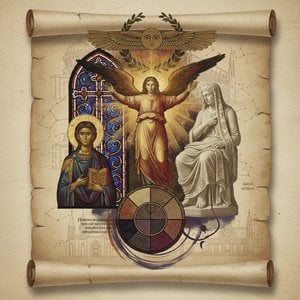
Piotr Kulisiewicz: Bridging Tradition and Contemporary Vision
Piotr Kulisiewicz is a Polish artist whose work explores themes of identity, memory, and cultural heritage—particularly the legacy of Jewish culture in Poland. Born in Krakow, Poland, he emerged from a vibrant artistic milieu steeped in both classical influences and a burgeoning interest in experimental techniques. While biographical details remain relatively sparse, his artistic output speaks volumes about his engagement with complex historical narratives and his desire to translate them into visually compelling experiences.
Early Influences: Kulisiewicz’s formative years were marked by exposure to Kraków's rich cultural landscape—a city that has witnessed centuries of Jewish history, from medieval guilds to the tragic diaspora of the 20th century. This environment undoubtedly instilled in him a deep appreciation for storytelling and visual representation as vehicles for conveying profound ideas.
Formal Training: He pursued formal artistic training at Akademii Sztuk Pięknych Krakow, honing his skills in painting and sculpture—disciplines that provide him with the tools to grapple with intricate concepts of form and color.
Exploring Jewish Heritage Through Artistic Mediums
Kulisiewicz’s artistic practice centers around a fascination with Jewish traditions and rituals, often depicted in evocative imagery that blends realism with symbolic abstraction. Recurring motifs include depictions of synagogues, menorahs, and figures engaged in prayer—elements that resonate with both historical accuracy and universal human experience. His canvases are characterized by meticulous attention to detail combined with expressive brushstrokes that convey emotion and nuance. He seeks to honor the memory of Jewish communities while simultaneously pushing the boundaries of artistic convention.
Notable Works: Among his most celebrated pieces is “Spinning dreidel,” a dynamic composition capturing the spirit of Hanukkah—the Festival of Lights—through swirling colors and intricate patterns. This artwork exemplifies Kulisiewicz’s commitment to conveying cultural significance through visual language.
Technique: He favors oil paints on canvas, utilizing layering techniques that allow him to build up textures and create depth—a stylistic choice that reflects his desire to capture the multifaceted nature of Jewish identity.
Contemporary Relevance and Artistic Dialogue
Kulisiewicz’s work engages in a dialogue with contemporary artistic trends, incorporating elements of abstraction and experimental color palettes into his figurative paintings. He acknowledges the importance of preserving cultural heritage while simultaneously embracing innovation—a stance that underscores his belief in art's capacity to illuminate complex social issues. His exploration of themes like diaspora, resilience, and remembrance speaks to broader concerns about identity formation and collective memory within multicultural societies.
Recognition: Kulisiewicz’s artistic vision has garnered critical acclaim—demonstrating the enduring power of art to provoke thought and inspire empathy.
Looking Ahead: Artistic Legacy
Piotr Kulisiewicz continues to refine his artistic practice, driven by a desire to deepen his understanding of Jewish culture and its role in shaping Polish history—a mission that reflects the artist’s unwavering commitment to honoring tradition while forging new paths for creative expression. His work serves as a testament to the transformative potential of art—demonstrating how visual narratives can convey profound truths about human experience and cultural identity. He aspires to contribute to ongoing conversations about Jewish heritage and its significance in the 21st century, cementing his place as a prominent voice within Poland’s artistic landscape.
Explore the profound impact of spiritual themes in fine art. From Renaissance iconography to Baroque drama, discover how sacred symbolism and divine visions have shaped art history through a scholarly and reflective lens.