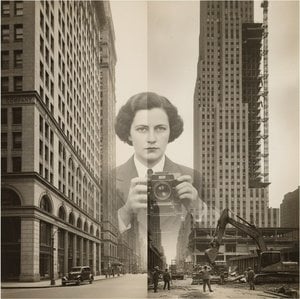
Emilio Estevez: Capturing Andalusian Soul Through Photography
Emilio Estevez, born in Seville, Spain in 1847, stands as a pivotal figure in the nascent field of Spanish photography—a pioneer who meticulously documented the vibrant cultural landscape of Andalusia at the cusp of the twentieth century. Unlike many contemporaries focused on portraiture or formal landscapes, Estevez’s artistic vision centered on portraying the essence of Andalusian life and architecture through evocative images that continue to resonate with collectors and art historians alike. His work isn't merely a record of visual observation; it’s imbued with a sensitivity to color and composition that distinguishes him from his peers and establishes him as one of the foremost chroniclers of his era.
- Early Life & Training: Estevez’s formative years were steeped in artistic tradition, though formal photographic training remained elusive. He honed his skills independently, absorbing influences from European artistic movements—particularly Impressionism—which championed capturing fleeting moments and prioritizing tonal subtleties over precise realism.
- The Alcázar of Seville & Artistic Vision: Estevez’s magnum opus arguably resides in his series of photographs depicting the Alcázar of Seville, a UNESCO World Heritage Site. These images transcend mere architectural documentation; they strive to convey the grandeur and spiritual atmosphere of this royal palace—a testament to Estevez's ability to distill complex emotions into visual form. The meticulous attention to detail—particularly the interplay of light and shadow—reflects his commitment to artistic integrity.
- Notable Commissions & Collaborations: Estevez secured commissions from prominent patrons, including members of the Spanish aristocracy, furthering his reputation as a skilled artist and cementing his place within the artistic circles of Seville. His collaborations with fellow artists broadened his creative horizons and exposed him to diverse perspectives on visual representation.
- Influence & Legacy: Emilio Estevez’s photographic oeuvre profoundly impacted subsequent generations of Andalusian artists and photographers, establishing a precedent for capturing regional identity through nuanced observation and masterful technique. He is remembered not only as a skilled craftsman but also as an artist who championed the expressive potential of photography—a medium that would eventually become synonymous with documenting history and culture.
Major Achievements & Recognition
Estevez’s dedication to his craft resulted in a substantial body of work encompassing architectural panoramas, portraits of Andalusian notables, and scenes from daily life—all rendered with remarkable precision and artistic flair. His photographs were exhibited extensively throughout Spain and internationally, garnering critical acclaim for their aesthetic merit and historical significance. Furthermore, Estevez’s images found their way into museum collections across Europe, ensuring that his legacy would endure beyond his lifetime.
- The Alcázar Photographs: Considered among the finest depictions of Andalusian architecture of the late nineteenth century, Estevez's photographs of the Alcázar secured him a place in art history books and cemented his reputation as a master of tonal subtlety.
- Collaborations with Sargent: His association with John Singer Sargent—a fellow Impressionist artist—yielded invaluable insights into artistic practice and broadened Estevez’s exposure to international trends.
Historical Context & Artistic Movements
Estevez's work emerged during a period of significant cultural transformation in Spain, coinciding with the rise of Modernisme and Symbolism – movements that prioritized emotional expression and imaginative interpretation over strict adherence to academic conventions. These artistic currents profoundly influenced Estevez’s aesthetic sensibilities, shaping his compositional choices and informing his use of color—elements that distinguish him from many of his contemporaries. His photographic endeavors served as a conduit for conveying the spirit of Andalusian society during this pivotal era.
Further Exploration
To delve deeper into Emilio Estevez’s artistic journey, explore resources such as:
- WahooArt.com: Discover his photographic masterpieces and learn more about his artistic vision (/en/artists/emilio-beauchy-en/)