Ručně malovaná olejná barva na plátně ve vašem zvoleném rozměru i s rámem, vyrobená našimi umělci na zakázku. ( Koupit tisk Koupit obrázek)





























Vyberte si z našich přednastavených velikostí, které odpovídají původním proporcím díla.

Můžete zadat vlastní rozměry pro konkrétní rám nebo prostor. Pokud se vámi vybraná velikost neshoduje s proporcemi původního obrazu, dílo buď ořízneme, nebo jej doplníme ručně malovanými prvky. Před zahájením výroby vám bude zaslán digitální náhled ke schválení.
Upozorňujeme, že náhled na obrazovce neodpovídá skutečnému ořezu ani rozšíření. Pouze digitální náhled přesně zobrazí finální kompozici.
Ačkoliv je možné zvolit vlastní velikost, pro zachování původních proporcí doporučujeme vybrat rozměr z předdefinovaného seznamu.
Celosvětová doprava () za 3–4 týdny namísto standardních 5 týdnů. (7 září). Bez kompromisů v kvalitě.


The Reaper
Rozměry reprodukce
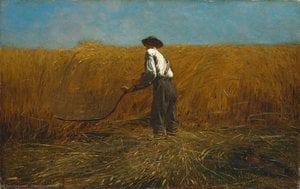
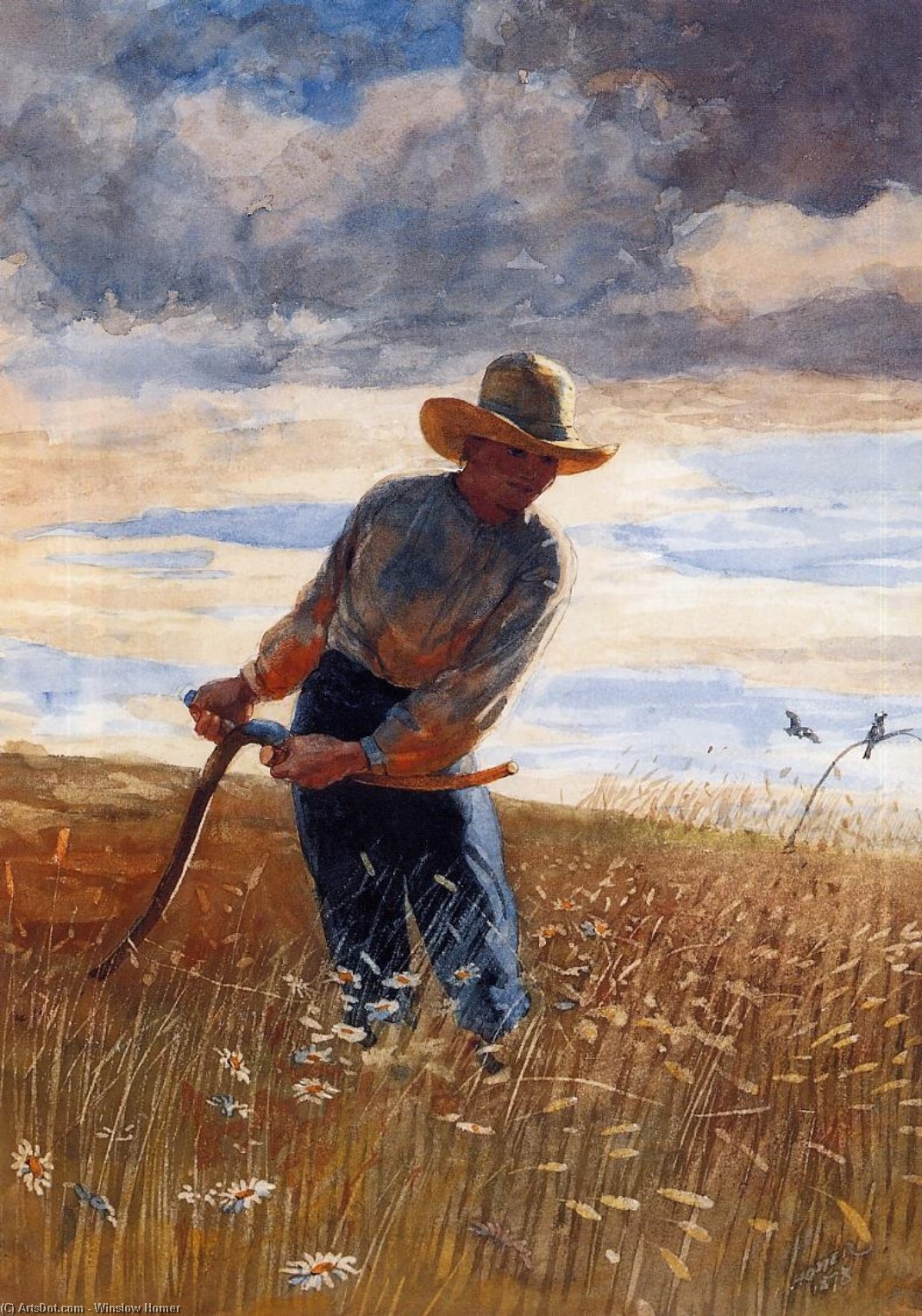
Winslow Homer’s “The Reaper,” painted in 1878, is more than just a depiction of a rural scene; it’s a profound meditation on the dignity of labor, the rhythms of nature, and the burgeoning sense of national identity taking root in America. This watercolor captures a solitary figure – a man in a worn straw hat – engaged in the timeless task of harvesting grain with a scythe. The composition is deceptively simple, yet brimming with quiet intensity, reflecting Homer’s unique approach to artmaking that prioritized direct observation and emotional resonance over academic convention.
Homer’s artistic journey was markedly different from that of many of his European contemporaries. He eschewed formal training at traditional academies, instead apprenticing himself to the demands of illustration for Harper’s Weekly beginning at just twelve years old. This early experience instilled in him a remarkable ability to capture fleeting moments and details with astonishing accuracy – a skill honed by necessity in the fast-paced world of print media. His focus wasn't on recreating idealized landscapes or historical narratives, but on truthfully representing the lives he observed around him: the bustling streets of Boston, the quiet dignity of rural New England, and ultimately, the evolving story of America itself.
“The Reaper” exemplifies Homer’s mastery of watercolor. He employs a loose, expressive brushstroke to convey movement and texture, particularly in the swaying grass and the flowing scythe. The color palette is dominated by earthy tones—greens, browns, and grays—creating a harmonious blend that reflects the natural world. The subtle gradations of light and shadow add depth and realism to the scene, while the careful placement of birds scattered throughout the painting introduces an element of spontaneity and life. Homer’s technique isn't about precise representation; it’s about capturing *feeling* – the quiet strength and resilience of the farmer, the vastness of the landscape, and the enduring connection between humanity and nature.
Beyond its realistic depiction, “The Reaper” carries significant symbolic weight. The solitary figure represents not just agricultural labor but also themes of perseverance, self-reliance, and the cyclical nature of life. The act of harvesting is a metaphor for renewal and hope, while the vastness of the field suggests both opportunity and isolation. Homer’s work resonates with a deep emotional current – a sense of quiet dignity, connection to the land, and an appreciation for the simple beauty of everyday existence. This painting speaks to the enduring spirit of America, rooted in its hardworking people and its boundless landscapes.


1836 - 1910 , Spojené státy americké

Discover the ethereal beauty of watercolor through an art-historical lens. Master the delicate balance of light, fluidity, and pigment to capture the luminous essence of nature, inspired by the legendary techniques of the Old Masters and Impressionist greats.

Master the nuances of Giclée printing with our expert guide. Discover how pigment-based inks and museum-grade substrates create fade-resistant, high-fidelity art reproductions designed for discerning collectors seeking unparalleled quality and longevity.

Objevte exkluzivní svět WahooArt.com. Nabízíme prémiové plakáty a ručně malované reprodukce v muzeální kvalitě. Zajišťujeme absolutní věrnost detailu, odborné poradenství pro sběratele a bezpečné globální doručení pro váš dokonalý interiér.

 Náhled
 Sdílet
 Sdílet
 Podrobnosti o díle

 Stáhnout
 Podobné položky
 Rentgenové snímky
 Slideshow

 Zobrazit více







 Skleněná varianta je dostupná pouze u rozměrů menších než 110 cm