Zobrazit v interiéru Zkusit v AR Přepnout na tiskové verze Objednat ručně malovanou reprodukci Odeslat
Podrobnosti Průvodce Přidat do oblíbených Stáhnout obrázek Podobné kousky Rentgenové snímky Slideshow Statistiky

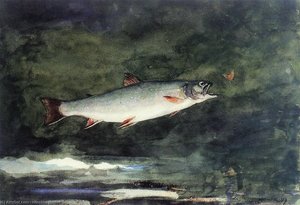
Leaping Trout

Winslow Homer (1836-1910): Ikoničný americký realista – Objevte jeho silné marinové obrazy a krajinky 19. století! Poznejte mistrovské díla jako „Gulf Stream“ a „Breezing Up“.

Zakupte si digitální obraz ve vysokém rozlišení a vylepšeném provedení, který nabízí mnohem vyšší kvalitu než online náhled.

Každý soubor je pečlivě připraven našimi specialisty s využitím pokročilých nástrojů a odborné manuální retuše. Zajišťujeme, aby každý obraz disponoval výjimečnou ostrostí, přesnou barevnou věrností a jemnými detaily.

Finální soubor vám bude do 72 hodin zaslán e-mailem, optimalizovaný pro okamžité použití v profesionálním, redakčním i tiskovém prostředí. Nabízíme stejnou kvalitu, které důvěřují špičková designová studia, nakladatelství i galerie.

Digitální obrazy

Stáhněte si soubor ve vysokém rozlišení pro osobní prohlížení, tisk a kreativní projekty. ( Přepnout na tiskové verze Objednat ručně malovanou reprodukci)

Celková cena

$ 24,90

Součást každé objednávky digitálního obrazu

Exponenciální digitální doručení, zaručené

Když si vyberete WahooArt.com, nezískáváte pouze obrázek – získáváte digitální umělecké dílo s profesionálně vylepšenými detaily, zpracované s precizností a podpořené zárukou za spokojenost. Zde je vše, co vaše objednávka automaticky obsahuje:

shipping_icon
Bleskové doručení e-mailem

Váš digitální obraz ve vysokém rozlišení vám bude zaslán e-mailem do 72 hodin od objednávky – připraven k okamžitému použití.

canvas_icon
Digitální soubor s podporou AI

Vaše umělecké dílo je profesionálně optimalizováno pomocí pokročilých nástrojů umělé inteligence a manuální úpravy, což zajišťuje maximální úroveň detailu, ostrosti a přesnosti barev.

insurance_icon
Doživotní bezplatné znovuodeslání

Soubor jste omylem smazali nebo ztratili? Žádný problém – kdykoliv vám ho znovu zašleme zcela zdarma.

tax_icon
Bez poplatků za dovoz – navždy

Užijte si své umělecké dílo okamžitě bez celních poplatků, daní nebo nákladů na dopravu – digitální stažení je vždy bez daňových povinností.

color_icon
Záruka přesnosti barev

Díky profesionálním nástrojům a správě barev zajišťujeme, aby váš digitální obraz odrážel původní barvy co nejvěrněji.

return_icon
100dená záruka spokojenosti

Pokud nebudete s digitálním obrázkem spokojeni, provedeme jeho revizi nebo vám vrátíme 100% platby do 100 dnů – bez jakýchkoliv dotazů.

guarantee_icon
100% záruka vrácení peněz

Nespokojeni? Získejte plnou náhradu peněz do 100 dnů od obdržení digitálního souboru – bez zbytečných dotazů.

discount_icon
Slevy při hromadných objednávkách

Při koupi 3 obrazů ušetříte 10% – Při koupi 5 obrazů ušetříte 15% – Při koupi 10+ obrazů ušetříte 20%. Ideální pro kreativní projekty, galerie a agentury.

Rychlé informace

  • Artistic style: Realistic
  • Artist: Winslow Homer
  • Movement: American Impressionism
  • Title: Leaping Trout
  • Location: Cleveland Museum of Art
  • Medium: Watercolor
  • Influences: Hudson River School

Kvíz o umění

U každé otázky je pouze jedna správná odpověď.

Otázka 1:
What artistic technique did Winslow Homer employ to create the white highlights in ‘Leaping Trout’?
Otázka 2:
Where is ‘Leaping Trout’ currently housed?
Otázka 3:
What perspective did Homer adopt in ‘Leaping Trout’, distinguishing it from typical depictions of fishermen?
Otázka 4:
What was Winslow Homer’s initial career path before he became a painter?
Otázka 5:
Why is ‘Leaping Trout’ considered significant beyond its technical mastery?

A Moment Frozen in Watercolor: Exploring Winslow Homer’s “Leaping Trout”

“Leaping Trout,” painted by Winslow Homer in 1889, isn't merely a depiction of fish; it’s an embodiment of American Romanticism distilled onto watercolor paper. Located at the Cleveland Museum of Art, this deceptively simple composition holds profound artistic and symbolic weight—a testament to Homer’s masterful observation and his innovative approach to capturing fleeting moments in nature. Examining its details reveals layers of meaning that resonate far beyond a straightforward portrayal of aquatic life.

The Technique of Observation: Homer's Scraping Method

Winslow Homer, largely self-taught, possessed an unparalleled ability to translate visual experience into artistic expression. Unlike many European painters prioritizing idealized forms and grand narratives, Homer focused on capturing the tangible realities of American landscapes—the rugged coasts of Maine, the quiet farms of New England. His technique in “Leaping Trout” exemplifies this dedication to realism. Homer employed a revolutionary method called scraping – meticulously removing thin layers of watercolor paint from the surface to reveal underlying white pigment. This daring approach wasn’t about achieving photographic accuracy; it was about conveying luminosity and immediacy—the very essence of sunlight glinting off water. The resulting highlights aren't merely decorative; they are crucial to establishing a sense of dynamism, mirroring the energetic burst of movement as the trout ascends from the depths.

A Fish’s Perspective: Challenging Artistic Conventions

What distinguishes “Leaping Trout” is Homer’s deliberate choice of viewpoint—the fish itself. Rather than presenting the scene through the eyes of a fisherman attempting to capture his quarry, Homer positioned himself within the animal's perspective. This unconventional decision wasn’t simply stylistic; it served a deeper purpose. By adopting this vantage point, Homer elevates the trout’s leap from a mere action to an expression of primal instinct—a celebration of life and vitality against the backdrop of the natural world. It speaks to the Romantic fascination with untamed wilderness and the sublime beauty found in confronting forces beyond human control.

Symbolism Within Simplicity: Water and Renewal

Watercolor, Homer’s favored medium, lends itself beautifully to conveying atmosphere and emotion. The muted blues and grays dominate the canvas, reflecting the cool tranquility of a freshwater pond—yet they are punctuated by flashes of brilliant white light. These whites symbolize purity, renewal, and the transformative power of nature. The scattered fish in the background aren’t merely incidental; they represent the interconnectedness of life within an ecosystem, reinforcing Homer's overarching message about harmony between humanity and the environment.

Emotional Resonance: Capturing the Sublime

Ultimately, “Leaping Trout” succeeds in evoking a powerful emotional response. It’s not a painting that overwhelms with grandeur or melodrama; instead, it invites contemplation—a quiet appreciation for the beauty of a single moment frozen in time. Homer's masterful use of technique and perspective combined to create an image that transcends mere representation, tapping into something deeper within the human psyche—a yearning for connection with the natural world and a recognition of its enduring majesty. A reproduction of this iconic watercolor offers a window into Homer’s artistic vision and allows viewers to experience firsthand the profound impact of his groundbreaking approach to landscape painting.

Biografie umělce

A Brush with the American Spirit: The Life and Art of Winslow Homer

Winslow Homer, born in Boston in 1836, wasn’t sculpted by the traditional European art academies that shaped so many of his contemporaries. Instead, he emerged from a distinctly American experience, one rooted in practicality and observation. His journey began not with grand historical canvases, but as a commercial illustrator at the tender age of twelve for Harper's Weekly. This early apprenticeship was formative, honing an exceptional ability to capture scenes with clarity and detail – skills that would become hallmarks of his mature work. He wasn’t learning perspective in Paris; he was learning to *see* America, its people, and its unfolding story. The bustling streets of Boston, the quiet dignity of rural New England life, these were his first subjects, rendered with a precision born of necessity for the demands of print media. This foundation allowed him to transition into painting, initially in watercolor, before fully embracing the expressive potential of oil paints.

From Pastoral Scenes to the Raw Power of Nature

Homer’s early paintings often depicted idyllic scenes – children playing, farmers tending their fields, quiet moments of domesticity. These works, while charming, hinted at a deeper artistic sensibility waiting to be unleashed. The catalyst for this transformation was undoubtedly the Civil War. As a war correspondent for Harper's Weekly, Homer witnessed firsthand the brutal realities of conflict. He didn’t focus on heroic battles or grand strategies; instead, he documented the everyday lives of soldiers and civilians, the quiet moments of grief and resilience amidst chaos. This experience profoundly altered his artistic vision. The pastoral scenes gave way to more challenging subjects: veterans grappling with trauma, freed slaves navigating a new world, and the stark beauty of landscapes touched by hardship. He began to explore themes of struggle, isolation, and humanity’s precar He wasn't interested in imitating European styles; he wanted to create an art that was uniquely American, reflecting its landscapes, its people, and its challenges. His style also evolved, becoming bolder and more direct, reflecting the raw emotional impact of what he had witnessed.

Mastering Light, Texture, and the American Landscape

Winslow Homer's artistic technique is immediately recognizable for its solidity and texture. He wasn’t interested in fleeting impressions; he wanted to build up a sense of tangible reality on the canvas. His oil paintings are characterized by a direct painting approach – layers of paint applied with confidence, creating depth and luminosity. He possessed an extraordinary ability to capture light, whether it was the dazzling glare of the sun on the ocean or the soft glow of twilight over a rural landscape. This mastery extended to his watercolors, where he achieved remarkable atmospheric effects through vibrant colors and delicate washes. Breezing Up (A Fair Wind), painted in 1876, exemplifies this skill – a quintessential depiction of American maritime life, brimming with energy and movement. The Gulf Stream, created decades later, is perhaps his most iconic work, a powerful and symbolic portrayal of a lone man battling the forces of nature, a metaphor for human struggle against overwhelming odds. He wasn’t simply painting what he saw; he was conveying a feeling, an emotional truth about the human condition.

A Legacy Forged in American Realism

Winslow Homer's art offers a profound window into 19th-century America, providing invaluable insights into the social, political, and cultural landscape of his time. His paintings are not merely beautiful representations; they are powerful statements about human resilience, the beauty and power of nature, and the complexities of the American experience. He died in 1910, leaving behind a prolific body of work that continues to resonate with audiences today. His ability to depict America with honesty and authenticity, without romanticizing or idealizing it. He wasn’t interested in imitating European styles; he wanted to create an art that was uniquely American, reflecting its landscapes, its people, and its challenges. Innocence, a poignant portrayal of childhood set against the backdrop of nature, and Man of Science, demonstrating his skill in capturing human psychology, are testaments to this commitment. His influence can be seen in the work of later American painters who sought to depict their own country with similar directness and emotional depth.
  • His work continues to inspire contemporary artists.
  • Homer remains a pivotal figure in the development of American Realism.

Winslow Homer

Winslow Homer

1836 - 1910 , Spojené státy americké

Rychlé informace

  • Artistic Movement Or Style: Americký Realismus
  • Artists Or Movements Influenced By This Artist: ['Američané']
  • Artists Who Influenced This Artist:
    • Barbizon škola
    • Courbet
    • Millet
  • Date Of Birth: 24. února 1836
  • Date Of Death: 29. září 1910
  • Full Name: Winslow Homer
  • Nationality: Američan
  • Notable Artworks:
    • Breezing Up
    • Gulf Stream
    • Noblest Spirit
  • Place Of Birth: Boston, USA