Náhled v interiéru Náhled v AR Přepnout na tisk Koupit ručně malovaný obraz Sdílet
Podrobnosti o díle Průvodce Přidat do oblíbených Stáhnout Podobné položky Rentgenové snímky Slideshow Q&A Statistiky

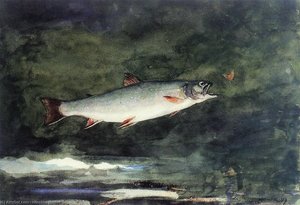
Jumping Trout

Winslow Homer (1836-1910): Ikoničný americký realista – Objevte jeho silné marinové obrazy a krajinky 19. století! Poznejte mistrovské díla jako „Gulf Stream“ a „Breezing Up“.

Získejte soubor připravený k tisku, který svou kvalitou výrazně převyšuje webový náhled. Každý prodávaný digitální obraz pochází z vysokorozlišeného originálu v naší databázi – obvykle o šířce 5 000 až 15 000 pixelů – díky čemuž můžete tisknout ve velkém formátu, provádět těsný střih nebo si s jistotou užít i ty nejjemnější detaily.

Žádný soubor neopustí naše studio bez úprav. Digitální expert kontroluje barvy v porovnání s původním malířským dílem a v případě potřeby je upravuje, poté pomocí profesionálních nástrojů pro retuš zvyšuje ostrost a detailnost — přičemž vždy zůstává věrný tahům štětcem a stylu umělce. Výsledkem je obraz, který vypadá jako malba, nikoliv jako naskenovaný snímek s filtrem.

Schvalování před dokončením: náš expert vám do 72 hodin zašle obraz e-mailem k revizi. Nejsste spokojeni? Můžete požádat o úpravy či opravy, nebo si můžete vyžádat vrácení peněz, pokud kvalita neodpovídá vašim očekáváním.

Tuto kvalitu využívají vydavatelství, designová studia, galerie i tiskárny.

Digitální obrazy

Stáhněte si soubor ve vysokém rozlišení pro osobní prohlížení, tisk nebo kreativní projekty. ( Přepnout na tisk Koupit ručně malovaný obraz)

Celková cena

Kč 540,84

Součást každé objednávky digitálního obrazu

Profesionální digitální doručení, zaručené

Když si vyberete WahooArt.com, nezískáváte pouze obrázek – získáváte digitální umělecké dílo s profesionálně vylepšenými detaily, zpracované s precizností a podpořené zárukou za spokojenost. Zde je vše, co vaše objednávka automaticky obsahuje:

Rychlé doručení e-mailem

Váš digitální obraz ve vysokém rozlišení vám bude zaslán e-mailem do 72 hodin od objednávky – připraven k okamžitému použití.

Digitální soubor s využitím AI

Vaše umělecké dílo je profesionálně optimalizováno pomocí pokročilých nástrojů umělé inteligence a manuální úpravy, což zajišťuje maximální úroveň detailu, ostrosti a přesnosti barev.

Doživotní bezplatné znovuodeslání digitálních obrazů

Soubor jste omylem smazali nebo ztratili? Žádný problém – kdykoliv vám ho znovu zašleme zcela zdarma.

Bez poplatků za dovoz – navždy

Užijte si své umělecké dílo okamžitě bez celních poplatků, daní nebo nákladů na dopravu – digitální stažení je vždy bez daňových povinností.

Záruka přesnosti barev

Díky profesionálním nástrojům a správě barev zajišťujeme, aby váš digitální obraz odrážel původní barvy co nejvěrněji.

100dená záruka spokojenosti

Pokud nebudete s digitálním obrázkem spokojeni, provedeme jeho revizi nebo vám vrátíme 100% platby do 100 dnů – bez jakýchkoliv dotazů.

100% záruka vrácení peněz

Nespokojeni? Získejte plnou náhradu peněz do 100 dnů od obdržení digitálního souboru – bez zbytečných dotazů.

Slevy při hromadných objednávkách

Koupě 3 obrazů ušetří 10% – Koupě 5 obrazů ušetří 15% – Koupě 10+ obrazů ušetří 20%. Ideální pro kreativní projekty, galerie a agentury.

Rychlé informace

  • Subject or theme: Nature, fishing
  • Location: Brooklyn Museum, NY
  • Notable elements: Dynamic movement
  • Influences: American life
  • Artist: Winslow Homer

Artový kvíz

U každé otázky je pouze jedna správná odpověď.

Otázka 1:
What is the primary subject of Winslow Homer’s ‘Jumping Trout’?
Otázka 2:
In what medium was ‘Jumping Trout’ primarily created?
Otázka 3:
The painting is housed in which museum?
Otázka 4:
Which artistic style best describes Winslow Homer’s approach in ‘Jumping Trout’?
Otázka 5:
What does the dynamic movement of the fish in ‘Jumping Trout’ primarily convey?

A Moment Frozen in Motion: Winslow Homer’s “Jumping Trout”

Winslow Homer's "Jumping Trout," painted in 1889 and now residing within the Brooklyn Museum’s collection, isn’t merely a depiction of a fish; it’s an embodiment of American spirit—a vibrant testament to observation, skill, and a deep connection with the natural world. Homer, born in Boston in 1836, forged his artistic path not through the hallowed halls of European academies, but through the gritty realities of early American life as a commercial illustrator. This formative experience instilled within him an unparalleled ability to capture fleeting moments and essential details – a gift that shines brilliantly in this watercolor masterpiece. The painting immediately draws the viewer into a dynamic scene, capturing the exhilarating burst of a trout leaping from the water’s surface. Homer masterfully utilizes the fluidity of watercolor to mimic the very essence of movement, creating an illusion of life and energy that is both captivating and profoundly satisfying.

The Language of Light and Water

Homer's technique in "Jumping Trout" is a revelation of watercolor mastery. He doesn’t simply paint *a* trout; he paints the *feeling* of water, light, and motion. Notice how the colors bleed and blend, creating an ethereal quality that suggests both transparency and depth. The artist employs broken washes – delicate layers of diluted pigment – to build up the form of the fish, allowing the white of the paper to peek through in places, further enhancing the sense of luminosity. The background is a carefully constructed symphony of blues and greens, subtly suggesting the depths of the stream and the dappled sunlight filtering through the foliage. The careful layering creates an incredible sense of atmosphere, pulling the viewer directly into this aquatic world.

A Symbol of American Resilience

Beyond its technical brilliance, “Jumping Trout” resonates with deeper symbolic meaning. Homer’s fascination with nature and the human experience is a recurring theme in his work, often reflecting themes of perseverance and the beauty found within the commonplace. The trout itself, a symbol of vitality and abundance in American folklore, embodies this spirit. Its powerful leap represents an assertion of life against the constraints of its environment – a metaphor for the resilience of the American character. The scattered smaller fish in the background aren’t merely decorative; they contribute to the overall sense of teeming life within the stream, reinforcing the painting's celebration of nature’s bounty.

Historical Context and Homer’s Realism

Painted in 1889, “Jumping Trout” firmly places itself within Winslow Homer’s broader body of work. It aligns with his signature style of Realism, a movement that sought to depict everyday life and the natural world with unflinching accuracy. Unlike idealized Romantic landscapes, Homer's paintings are grounded in observation, capturing the textures, colors, and rhythms of American life – particularly its connection to the outdoors. This commitment to realism is evident in the meticulous detail with which he renders the fish’s scales, the ripples on the water’s surface, and the subtle variations in color that suggest the play of light and shadow. Considering his earlier work as an illustrator for Harper's Weekly, this painting represents a significant evolution—a shift towards a more personal and expressive artistic vision.

Bringing “Jumping Trout” Home: A Reproduction Worth Cherishing

WahooArt offers exquisite, hand-painted reproductions of Winslow Homer’s "Jumping Trout," allowing you to experience the full impact of this iconic artwork in your own space. Each reproduction is meticulously crafted by skilled artists who understand and appreciate Homer's unique style and technique. Whether displayed as a striking statement piece or incorporated into a serene interior design scheme, this painting will undoubtedly evoke a sense of wonder and connection with the natural world—a timeless reminder of American beauty and artistic genius. Explore our collection today to bring this captivating scene into your home.

Otázky a odpovědi

Jaké místo v tvorbě umělce Winslow Homer zaujímá dílo "Jumping Trout"?

„Jumping Trout“ patří k dílu Winslow Homer v rámci směru Realist Style, jehož typická témata zahrnují american realism, nature observation, coastal life, rural scenes, fishing, outdoor activities”, “narrative storytelling, visual records”.

Jakým způsobem barvy díla „Jumping Trout“ od Winslow Homer navazují na jeho emoce?

„Jumping Trout“ od Winslow Homer kombinuje paletu Earthy s Tranquil tónem.

Jaký pocit vyvolává „Jumping Trout“ od Winslow Homer?

„Jumping Trout“ od Winslow Homer vyvolává Tranquil pocit v rámci celkové Calm nálady.


Biografie umělce

A Brush with the American Spirit: The Life and Art of Winslow Homer

Winslow Homer, born in Boston in 1836, wasn’t sculpted by the traditional European art academies that shaped so many of his contemporaries. Instead, he emerged from a distinctly American experience, one rooted in practicality and observation. His journey began not with grand historical canvases, but as a commercial illustrator at the tender age of twelve for Harper's Weekly. This early apprenticeship was formative, honing an exceptional ability to capture scenes with clarity and detail – skills that would become hallmarks of his mature work. He wasn’t learning perspective in Paris; he was learning to *see* America, its people, and its unfolding story. The bustling streets of Boston, the quiet dignity of rural New England life, these were his first subjects, rendered with a precision born of necessity for the demands of print media. This foundation allowed him to transition into painting, initially in watercolor, before fully embracing the expressive potential of oil paints.

From Pastoral Scenes to the Raw Power of Nature

Homer’s early paintings often depicted idyllic scenes – children playing, farmers tending their fields, quiet moments of domesticity. These works, while charming, hinted at a deeper artistic sensibility waiting to be unleashed. The catalyst for this transformation was undoubtedly the Civil War. As a war correspondent for Harper's Weekly, Homer witnessed firsthand the brutal realities of conflict. He didn’t focus on heroic battles or grand strategies; instead, he documented the everyday lives of soldiers and civilians, the quiet moments of grief and resilience amidst chaos. This experience profoundly altered his artistic vision. The pastoral scenes gave way to more challenging subjects: veterans grappling with trauma, freed slaves navigating a new world, and the stark beauty of landscapes touched by hardship. He began to explore themes of struggle, isolation, and humanity’s precar He wasn't interested in imitating European styles; he wanted to create an art that was uniquely American, reflecting its landscapes, its people, and its challenges. His style also evolved, becoming bolder and more direct, reflecting the raw emotional impact of what he had witnessed.

Mastering Light, Texture, and the American Landscape

Winslow Homer's artistic technique is immediately recognizable for its solidity and texture. He wasn’t interested in fleeting impressions; he wanted to build up a sense of tangible reality on the canvas. His oil paintings are characterized by a direct painting approach – layers of paint applied with confidence, creating depth and luminosity. He possessed an extraordinary ability to capture light, whether it was the dazzling glare of the sun on the ocean or the soft glow of twilight over a rural landscape. This mastery extended to his watercolors, where he achieved remarkable atmospheric effects through vibrant colors and delicate washes. Breezing Up (A Fair Wind), painted in 1876, exemplifies this skill – a quintessential depiction of American maritime life, brimming with energy and movement. The Gulf Stream, created decades later, is perhaps his most iconic work, a powerful and symbolic portrayal of a lone man battling the forces of nature, a metaphor for human struggle against overwhelming odds. He wasn’t simply painting what he saw; he was conveying a feeling, an emotional truth about the human condition.

A Legacy Forged in American Realism

Winslow Homer's art offers a profound window into 19th-century America, providing invaluable insights into the social, political, and cultural landscape of his time. His paintings are not merely beautiful representations; they are powerful statements about human resilience, the beauty and power of nature, and the complexities of the American experience. He died in 1910, leaving behind a prolific body of work that continues to resonate with audiences today. His ability to depict America with honesty and authenticity, without romanticizing or idealizing it. He wasn’t interested in imitating European styles; he wanted to create an art that was uniquely American, reflecting its landscapes, its people, and its challenges. Innocence, a poignant portrayal of childhood set against the backdrop of nature, and Man of Science, demonstrating his skill in capturing human psychology, are testaments to this commitment. His influence can be seen in the work of later American painters who sought to depict their own country with similar directness and emotional depth.
  • His work continues to inspire contemporary artists.
  • Homer remains a pivotal figure in the development of American Realism.

Winslow Homer

Winslow Homer

1836 - 1910 , Spojené státy americké

Stručné informace

  • Artistic Movement Or Style: Americký Realismus
  • Artists Or Movements Influenced By This Artist: ['Američané']
  • Artists Who Influenced This Artist:
    • Barbizon škola
    • Courbet
    • Millet
  • Date Of Birth: 24. února 1836
  • Date Of Death: 29. září 1910
  • Full Name: Winslow Homer
  • Nationality: Američan
  • Notable Artworks:
    • Breezing Up
    • Gulf Stream
    • Noblest Spirit
  • Place Of Birth: Boston, USA